
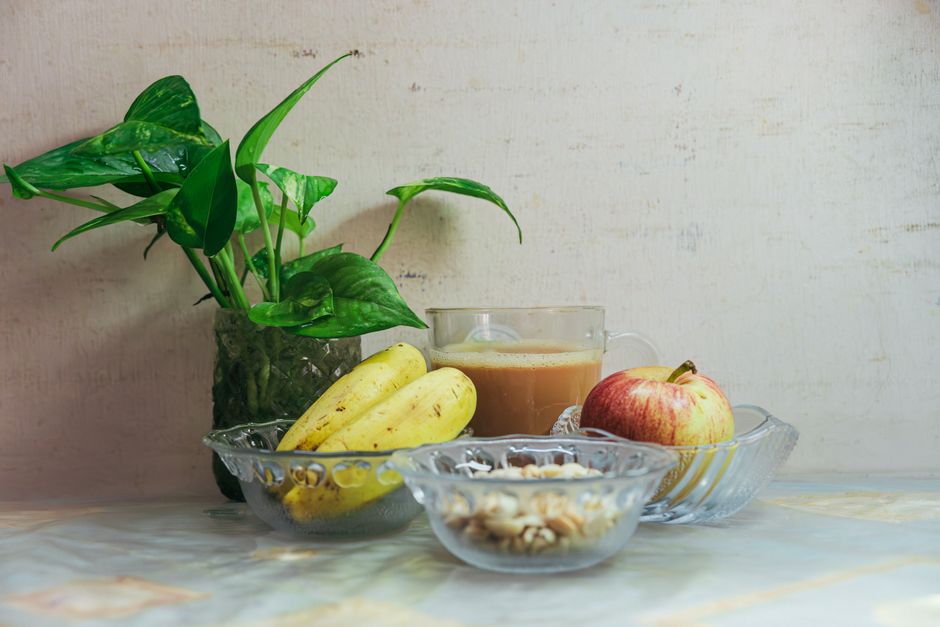
Bananas are one of the most widely eaten fruits in the world, and for good reason. They deliver quick-digesting carbohydrate, potassium, vitamin B6, vitamin C, and fiber in a convenient package with a peel that acts as its own wrapper. The health benefits come from this combination of nutrients working together, not from any single “magic” compound. Here is what the science actually shows about bananas and your health.
What Nutrients Does a Banana Actually Contain?
A medium banana — about 7 to 8 inches long — provides roughly 105 calories, 27 grams of carbohydrate, 3 grams of fiber, and less than half a gram of fat. It is a genuinely nutrient-dense food relative to its calorie load.
The standout nutrients in a medium banana include:
- Potassium: about 422 mg, roughly 9% of the daily value
- Vitamin B6: about 0.4 mg, roughly 25% of the daily value
- Vitamin C: about 10 mg, roughly 11% of the daily value
- Magnesium: about 32 mg
- Fiber: about 3 grams, mostly pectin and resistant starch (resistant starch decreases as the banana ripens)
Bananas also contain smaller amounts of folate, riboflavin, and manganese. They are naturally free of fat, cholesterol, and sodium. That last point matters for people watching their blood pressure.
One detail worth knowing: the ripeness of a banana changes its nutritional profile. A green banana contains more resistant starch, which behaves like soluble fiber and is not fully digested in the small intestine. As the banana ripens and turns yellow with brown spots, that resistant starch converts to simple sugars, making the fruit sweeter and faster to digest. Both forms have value, but they are not identical.
Why Banana Is Good For Health: The Core Mechanisms
Bananas support health through several well-understood physiological pathways. The most studied involve potassium, fiber, and vitamin B6.
Potassium and blood pressure. Potassium is an essential mineral that helps regulate fluid balance inside and outside your cells. It also helps counterbalance sodium. High sodium intake raises blood pressure in many people; adequate potassium intake helps the kidneys excrete more sodium and eases tension in blood vessel walls. This relationship between potassium and blood pressure is well established in clinical research and is reflected in dietary guidelines that encourage potassium-rich foods.
Most Americans do not get enough potassium. The current daily recommendation is 4,700 mg for adults, and average intake falls well short of that. A banana alone will not close the gap, but it is one easy contributor.
Fiber and digestive health. The 3 grams of fiber in a medium banana support regular bowel function and feed beneficial gut bacteria. Resistant starch in less-ripe bananas acts as a prebiotic, meaning it nourishes the microbes in your large intestine. This is a genuine, documented effect, though the practical impact on overall gut health depends on your total diet, not on bananas alone.
Vitamin B6 and normal body function. Vitamin B6 is involved in more than 100 enzyme reactions, including those that help metabolize protein and produce neurotransmitters like serotonin and dopamine. A single banana provides a meaningful share of what most adults need daily. That said, B6 deficiency is uncommon in people eating a varied diet, so the benefit of a banana here is maintenance rather than correction.
Do Bananas Help With Heart Health?
Diets rich in potassium are consistently associated with lower blood pressure and reduced risk of stroke and heart disease in large population studies. Bananas are a practical way to add potassium to your day.
It is important not to overstate this. The heart benefits come from an overall dietary pattern, not from eating bananas specifically. No study has shown that adding bananas alone reduces heart attacks. What the evidence supports is that people who eat more potassium-rich foods tend to have better cardiovascular outcomes than those who eat few.
Bananas also contain small amounts of magnesium and antioxidants such as dopamine and catechins, though these appear in modest quantities and their contribution to heart health in humans is not well quantified. The potassium and fiber content is where the real evidence sits.





Are Bananas Good for Digestive Health and Gut Bacteria?
Yes, with some nuance. The fiber and resistant starch in bananas support digestive function in two ways. Insoluble fiber adds bulk to stool and helps it move through the colon. Resistant starch and soluble fiber ferment in the large intestine, producing short-chain fatty acids that nourish the cells lining the colon.
Green bananas contain more resistant starch than ripe ones. Some research suggests that this resistant starch may support the growth of beneficial bacteria. However, the clinical significance of this effect in healthy adults is still being studied. The evidence is promising but not yet strong enough to claim bananas “fix” gut health.
One practical note: people with irritable bowel syndrome or other digestive sensitivities may find that bananas — especially ripe ones — trigger symptoms. This varies by individual. Unripe bananas are sometimes better tolerated because they contain less fermentable sugar.
Can Bananas Help With Weight Management and Energy?
Bananas are a moderate-calorie fruit with fiber that can help you feel full. That combination can support weight management when it replaces higher-calorie snacks. A banana is not a weight-loss food on its own, and no credible evidence suggests eating bananas causes weight gain either.
For energy, bananas are a well-known pre-exercise and post-exercise food. Their mix of carbohydrate, potassium, and fluid makes them useful for replenishing glycogen and electrolytes after physical activity. Some studies have compared bananas to sports drinks and found similar or comparable effects on performance and recovery, though results vary by study design and exercise type.
For everyday energy, the natural sugars in a ripe banana — glucose, fructose, and sucrose — are absorbed at different rates, giving a relatively steady release compared with pure glucose. That said, the effect is modest in the context of a full meal.
Does Banana Ripeness Change Its Health Effects?
Yes, and this is one of the more useful things to understand about bananas. The same fruit behaves differently depending on how ripe it is.
A green banana has more resistant starch and less sugar. It has a lower glycemic impact, meaning it raises blood sugar more slowly. Some studies indicate that green banana flour or resistant starch from bananas may improve blood sugar control in certain populations, though this research is still developing.
A very ripe banana with brown spots has almost no resistant starch left. Its sugars are mostly free and absorb quickly, which raises blood sugar faster. For most healthy people this is not a concern. For people with diabetes or insulin resistance, the ripeness of a banana can matter for blood sugar management.
The table below summarizes the general differences:
| Feature | Green Banana | Ripe Banana |
|---|---|---|
| Resistant starch | High | Low |
| Simple sugars | Low | High |
| Glycemic impact | Lower | Higher |
| Taste | Starchy, less sweet | Sweet, soft |
| Best for | Blood sugar control, gut bacteria | Quick energy, easy digestion |
Who Should Be Careful With Bananas?
Bananas are safe for most people, but a few groups should pay attention.
People with kidney disease. Damaged kidneys may not filter potassium efficiently. For people with advanced kidney disease or those on dialysis, high-potassium foods like bananas may need to be limited. This is a medical decision, not a general rule. Anyone with kidney disease should follow guidance from their healthcare provider about potassium intake.
People taking certain blood pressure medications. ACE inhibitors, angiotensin receptor blockers, and potassium-sparing diuretics can raise potassium levels in the body. Eating large amounts of high-potassium foods while on these medications could, in some cases, push potassium too high. This does not mean bananas are off-limits, but it is worth discussing with a doctor if you eat several daily.
People with diabetes. Bananas are not forbidden, but portion size and ripeness affect blood sugar response. A smaller, less ripe banana tends to have less impact than a large, very ripe one. Monitoring your own blood sugar response is the most reliable guide.
People with latex allergies. Some people allergic to latex also react to bananas because the proteins are similar. This is called latex-fruit syndrome. It is uncommon but real.
How Many Bananas a Day Is Reasonable?
There is no official recommended number of bananas per day. For most healthy adults, one to two medium bananas daily fits comfortably within a balanced diet and contributes useful potassium and fiber.
The more important point is variety. Bananas are nutritious, but they are not a complete food. Getting potassium, fiber, and vitamins from a range of fruits, vegetables, beans, and whole grains is better than relying on any single food. Bananas are a strong player on a good team, not a solo act.
Frequently Asked Questions
Are bananas good for you every day?
For most healthy adults, eating one to two bananas daily is fine and adds useful potassium, fiber, and vitamin B6. People with kidney disease or those taking potassium-sparing medications should check with their doctor first.
Do bananas raise blood sugar?
Yes, bananas contain carbohydrate and will raise blood sugar, especially when very ripe. Green bananas have more resistant starch and a slower effect on blood sugar than ripe ones.
Is it better to eat green or ripe bananas?
It depends on your goal. Green bananas have more resistant starch and a lower glycemic impact, while ripe bananas are sweeter and easier to digest for quick energy.
Can eating bananas help lower blood pressure?
Bananas provide potassium, and diets rich in potassium are linked to lower blood pressure and reduced stroke risk. A banana alone will not lower blood pressure; it works as part of an overall eating pattern.
