
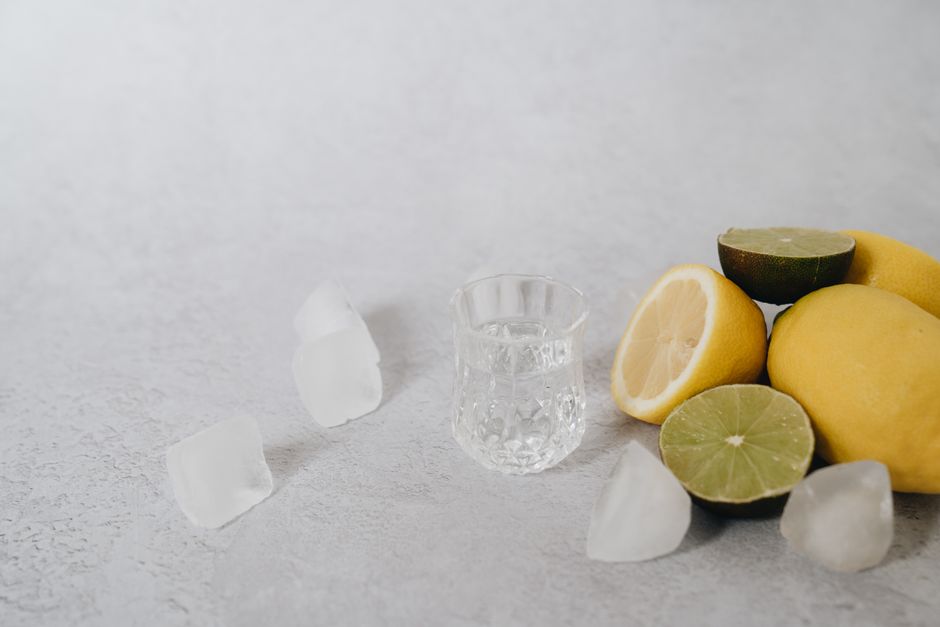
A “cortisol cocktail” is a viral drink recipe—usually water mixed with a pinch of salt, a squeeze of lemon or lime, and sometimes a spoonful of honey or coconut water—promoted on social media as a way to “balance” the stress hormone cortisol. There is no clinical definition of a cortisol cocktail, and no medical organization recognizes it as a treatment. The name is marketing, not medicine. The drink itself is mostly water with a small amount of electrolytes, and the claims attached to it are not supported by research.
What Is A Cortisol Cocktail?
A cortisol cocktail is a homemade beverage that people drink in the morning, typically before coffee or breakfast. The basic recipe varies, but most versions combine water, a pinch of sea salt, citrus juice, and a sweetener. Some add coconut water or a powdered electrolyte mix.
The idea behind it is that the body needs sodium, potassium, and hydration first thing in the morning to support the adrenal glands, which produce cortisol. Cortisol is a real hormone with real functions. It helps regulate blood sugar, blood pressure, and the body’s response to stress. The adrenal glands do produce it, and they do need electrolytes to function.
But that chain of reasoning does not mean a specific drink recipe improves cortisol regulation. The body regulates cortisol through a complex feedback loop involving the brain and the adrenal glands. A glass of salt water does not meaningfully change that loop in a healthy person.
Where Did the Cortisol Cocktail Trend Come From?
The trend grew out of a broader interest in “adrenal fatigue” and cortisol-balancing content on social media. Adrenal fatigue is not a recognized medical diagnosis. It is not listed in standard medical references, and endocrine societies have stated that the evidence does not support it as a distinct condition.
That does not mean people who feel tired, wired, or run-down are imagining things. Fatigue, sleep problems, and feeling stressed are real. They just have many possible causes, and “adrenal fatigue” is not an established explanation for them.
Social media tends to compress complex physiology into simple fixes. A drink that takes two minutes to make and promises to fix your stress response is appealing. The appeal is understandable. The physiology does not hold up.
Does a Cortisol Cocktail Actually Lower Cortisol?
No clinical evidence currently confirms that a cortisol cocktail lowers cortisol or improves how the body regulates it. There are no published trials testing this specific drink. The claim rests on biological reasoning, not on demonstrated outcomes.
Some ingredients in the drink do have established roles in the body. Sodium and potassium are electrolytes that help maintain fluid balance and nerve function. Dehydration can raise cortisol, because the body treats low fluid volume as a stressor. So drinking water when you are dehydrated may help bring cortisol back toward your normal baseline.
That is different from saying the drink lowers cortisol in a well-hydrated person. If you are already hydrated, adding more water and salt does not push cortisol below your normal range. The body does not work that way.
There is also a common misconception worth clearing up. Cortisol is not a “bad” hormone to be eliminated. It is essential. People with genuinely low cortisol—a condition called adrenal insufficiency—can become seriously ill without treatment. The goal is not to drive cortisol down. The goal is normal regulation, which the body mostly handles on its own.





What Are the Risks of Drinking a Cortisol Cocktail?
For most healthy adults, a glass of water with a pinch of salt and lemon is unlikely to cause harm. The risks come from the amounts and from who is drinking it.
Salt is the main concern. A pinch is small, but some recipes call for larger amounts, and some people add salt on top of an already high-sodium diet. The American Heart Association recommends most adults limit sodium to no more than 2,300 milligrams per day, and ideally closer to 1,500 milligrams, especially for people with high blood pressure. A recipe that calls for a half teaspoon of salt adds roughly 1,150 milligrams—about half a day’s recommended limit in one drink.
People who need to be cautious about added salt include:
- Anyone with high blood pressure or heart failure
- People with kidney disease, whose kidneys may not handle a sodium load well
- People taking medications that affect potassium or sodium balance, such as some diuretics and blood pressure drugs
- Anyone advised by a clinician to follow a low-sodium diet
Citrus juice is acidic and can irritate the mouth or stomach in some people, and it can wear down tooth enamel over time. Honey adds sugar. None of these are dangerous in small amounts for most people, but they are not free of effects.
There is a more important point. If you feel persistently exhausted, anxious, or unwell, a homemade drink is not a substitute for finding out why. Some conditions that cause fatigue and stress symptoms—including thyroid problems, anemia, sleep disorders, and depression—are treatable, and they require a proper diagnosis.
What Actually Affects Cortisol Levels?
Cortisol follows a daily rhythm. It is usually highest shortly after waking and falls through the day, reaching its lowest point around midnight. This pattern is well established.
Several things reliably influence cortisol:
- Sleep. Short or disrupted sleep is linked to higher cortisol and a flatter daily rhythm.
- Psychological stress. Ongoing stress keeps the stress-response system activated.
- Intense exercise. Hard training raises cortisol in the short term, which is normal and part of how the body adapts.
- Caffeine and alcohol. Both can affect the stress response, though effects vary between people.
- Medical conditions. Disorders of the adrenal or pituitary glands can cause cortisol to be too high or too low, and these require medical care.
Notice what is not on that list: a specific morning drink. The levers that genuinely move cortisol are sleep, stress, activity, and overall health—not a recipe.
Is There Anything to the Ingredients?
Some ingredients have modest evidence behind them, but not for the reason the trend suggests.
Water is the most useful part. Staying hydrated supports normal body function, and dehydration is a genuine stressor. If you wake up dehydrated, water helps.
Electrolytes matter for people who lose a lot of fluid—through heavy sweating, illness, or intense exercise. For most people eating a normal diet, electrolyte needs are met by food. Adding salt to a drink is not necessary for the average person and can work against sodium limits.
Lemon and honey are fine as flavor. There is no strong evidence that either meaningfully changes cortisol in humans at the amounts used in these drinks.
So the honest summary is this: the drink is mostly harmless for most healthy adults, mildly useful if you happen to be dehydrated, and not a cortisol treatment. The name oversells what the ingredients can do.
What Should You Do Instead?
If your goal is a healthier stress response, the evidence-supported basics do more than any single drink.
Prioritize sleep and a consistent wake time. Move your body regularly. Eat a varied diet that meets your electrolyte needs through food. Limit alcohol and watch caffeine intake, especially later in the day. Manage stress with approaches that have research behind them, such as regular physical activity, time in nature, and structured relaxation or breathing practices.
If you have persistent symptoms—ongoing fatigue, unexplained weight changes, dizziness, or feeling faint—see a clinician. These can point to conditions that need diagnosis and treatment, and no drink will address them.
Frequently Asked Questions
What is a cortisol cocktail made of?
Most versions mix water with a pinch of salt, citrus juice, and sometimes honey or coconut water. There is no standard recipe and no medical definition.
Does a cortisol cocktail lower cortisol?
No clinical evidence confirms that it lowers cortisol in healthy people. If you are dehydrated, drinking water may help bring cortisol back toward your normal baseline, but the drink does not push cortisol below normal.
Is a cortisol cocktail safe to drink?
For most healthy adults, a small amount of salt, lemon, and water is unlikely to cause harm. People with high blood pressure, heart failure, or kidney disease should be cautious about added salt and check with a clinician.
Is adrenal fatigue a real diagnosis?
No. Adrenal fatigue is not a recognized medical condition, and endocrine societies have stated the evidence does not support it. Persistent fatigue has many possible causes and should be evaluated by a clinician.
