
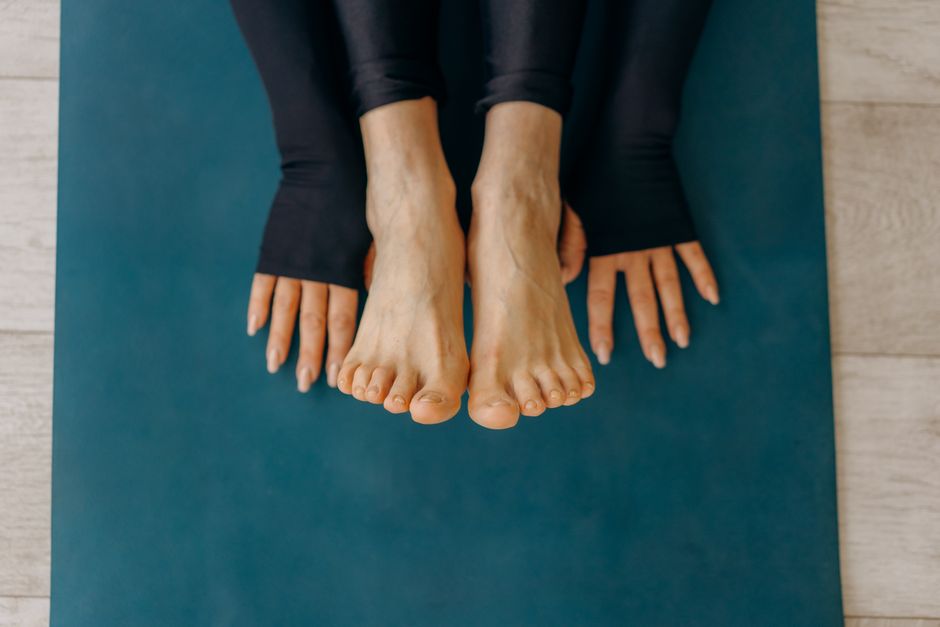
Cold hands and feet are often just your body’s normal response to a cooler environment. When your core temperature drops even slightly, your blood vessels narrow to keep warm blood near your vital organs. This reduces blood flow to your extremities, which makes your hands and feet feel cold. For most people, this is a harmless and temporary reaction. However, when coldness happens frequently, lasts a long time, or occurs in warm temperatures, it may point to an underlying health condition that deserves attention.
What Causes Cold Hands and Feet?
The most common cause is your body’s natural temperature regulation system. Your brain detects a drop in core temperature and signals blood vessels in your skin to constrict. This process, called vasoconstriction, is a protective mechanism. It minimizes heat loss from your skin surface and directs blood flow to your brain, heart, and other essential organs.
When this happens, your hands and feet receive less blood. Because they are furthest from your heart and have large surface areas, they cool down quickly. This is basic physiology, and it explains why nearly everyone experiences cold extremities in winter or in air-conditioned rooms.
But frequent coldness can also result from conditions that affect blood flow, blood composition, or your nervous system’s ability to regulate temperature. Identifying the underlying cause matters because treatment differs depending on the reason.
Is It Raynaud’s Syndrome?
Raynaud’s syndrome is a common cause of cold, discolored fingers and toes. In people with Raynaud’s, small blood vessels in the extremities overreact to cold or stress. They spasm and narrow dramatically, temporarily cutting off blood flow. The affected areas often turn white or blue, then red as blood flow returns and the vessels relax.
Raynaud’s is more common in women and typically begins between ages 15 and 30. It can occur on its own, which doctors call primary Raynaud’s, or it can be secondary to other conditions like autoimmune diseases. Primary Raynaud’s is generally more of a nuisance than a danger. Secondary Raynaud’s can be more serious because it involves an underlying disease.
If you notice your fingers turning white or blue in response to cold, mention it to your doctor. Not everyone with cold hands has Raynaud’s, but this pattern of color change is a distinguishing feature worth investigating.
Could Poor Circulation Be the Problem?
Poor circulation is a frequently blamed cause, but it is often misunderstood. True circulation problems from narrowed or blocked arteries are less common than people assume. When they do occur, they usually produce other symptoms beyond coldness.
Peripheral artery disease, or PAD, occurs when plaque builds up in arteries that supply blood to your limbs. PAD most often affects the legs rather than the hands. Besides coldness, PAD typically causes cramping pain in the calves or thighs during walking. The pain usually eases with rest. If you have cold feet without leg pain, PAD is less likely.
Heart conditions that reduce the heart’s pumping efficiency can also reduce blood flow to extremities. But again, coldness alone would rarely be the only symptom. Shortness of breath, fatigue, and swelling in the legs are more typical signs of heart failure.
For otherwise healthy people, what feels like poor circulation is usually just normal vasoconstriction in response to cold. Your blood vessels are working as designed, not failing.





What Role Do Anemia and Thyroid Problems Play?
Anemia means your blood does not carry enough oxygen to your tissues. This can happen from low iron, low vitamin B12, or other causes. When oxygen delivery drops, your body prioritizes oxygen for vital organs, which can leave hands and feet feeling cold. Anemia often comes with fatigue, pale skin, and weakness.
Hypothyroidism, or an underactive thyroid, slows your body’s metabolism. A slower metabolism produces less body heat. People with hypothyroidism frequently report feeling cold all over, not just in their extremities. Other signs include weight gain, dry skin, constipation, and fatigue.
Both conditions are diagnosed with simple blood tests. If you have cold extremities along with fatigue or other systemic symptoms, asking your doctor about these tests is reasonable. Treating the underlying condition often improves coldness.
When Is It a Nerve Problem?
Nerves control blood vessel diameter and sensation. Damage to nerves can disrupt both. Peripheral neuropathy, or nerve damage, commonly affects the hands and feet. Diabetes is the leading cause of peripheral neuropathy in the United States.
Nerve damage does not always cause pain. Some people experience numbness, tingling, or a persistent feeling of coldness even when the skin is warm to the touch. This happens because damaged nerves send incorrect signals to the brain. The brain interprets these signals as cold even though actual temperature is normal.
If your hands or feet feel cold but are not actually cold to the touch, a nerve problem is more likely than a circulation problem. Your doctor can test nerve function with a physical exam and sometimes with nerve conduction studies.
Are There Other Medical Conditions to Consider?
Several other conditions can cause cold extremities. Autoimmune diseases like lupus and rheumatoid arthritis can affect blood vessels and circulation. Certain medications, including some beta-blockers and migraine drugs, can narrow blood vessels as a side effect. Smoking causes blood vessels to constrict, which is why smokers often have cold hands.
Fibromyalgia and chronic fatigue syndrome are associated with temperature regulation issues, though the mechanism is not fully understood. Some research suggests these conditions involve dysfunction in the autonomic nervous system, which controls involuntary body functions like blood vessel diameter.
In rare cases, cold hands and feet can result from blood disorders that make blood thicker than normal, such as polycythemia. Blood cancers like leukemia can also affect circulation, but these are uncommon and usually produce many other symptoms.
When Should You See a Doctor?
Occasional cold hands and feet in cold weather do not require medical attention. But certain patterns warrant a medical evaluation. Seek care if your extremities feel cold even in warm environments, if one hand or foot is consistently colder than the other, or if coldness comes with color changes like white or blue skin.
Also see a doctor if you have additional symptoms such as numbness, tingling, pain, skin changes, fatigue, unexplained weight loss, or fever. Cold extremities accompanied by chest pain, shortness of breath, or sudden weakness require urgent medical attention.
For most people, the cause of cold hands and feet is benign. But a medical evaluation can rule out more serious conditions and provide peace of mind. Your doctor will take a history, perform a physical exam, and order tests only if your symptoms suggest a specific underlying cause.
What Can You Do at Home?
Simple measures can help manage cold hands and feet. Dressing in layers keeps your core warm, which reduces the need for vasoconstriction. Wearing warm socks and gloves when temperatures drop is obvious but effective. Avoid tight footwear that restricts blood flow to your feet.
Regular physical activity improves overall cardiovascular health and circulation. Even light exercise like walking promotes blood flow. Managing stress helps because stress triggers the same fight-or-flight response that constricts blood vessels. Limiting caffeine and avoiding smoking also support normal blood vessel function.
If you have Raynaud’s, avoiding sudden temperature changes can help prevent attacks. Warm your hands before going outside rather than stepping directly into cold air. Some people find that moving to a warmer room or running warm water over their hands restores blood flow more quickly.
Do Supplements Help?
Some supplements are marketed for circulation and cold extremities. Ginkgo biloba and niacin are sometimes mentioned for this purpose. The evidence for these supplements improving cold hands and feet is limited. No large, well-controlled studies have confirmed that any supplement reliably treats cold extremities.
If you have an iron or vitamin B12 deficiency, correcting that deficiency with supplements can help. But this only applies if testing confirms a deficiency. Taking supplements without a known deficiency does not improve circulation and can cause side effects.
Fish oil and magnesium are sometimes promoted for circulation, but clinical evidence does not clearly support their use specifically for cold hands and feet. No clinical guidelines currently recommend supplements for this symptom in the absence of a diagnosed deficiency.
Frequently Asked Questions
Can anxiety cause cold hands and feet?
Yes. Anxiety activates your sympathetic nervous system, which narrows blood vessels and reduces blood flow to extremities. This is the same fight-or-flight response that prepares your body for perceived threats.
Are cold hands and feet a sign of diabetes?
They can be. Diabetes can cause peripheral neuropathy, which disrupts nerve signals and temperature perception in the extremities. Diabetes also increases the risk of peripheral artery disease, which reduces blood flow to the feet.
Why are my hands cold but my body is warm?
This usually means your body is prioritizing blood flow to your core organs. Your brain perceives a slight core temperature drop and constricts blood vessels in your extremities to conserve heat, even if your torso feels warm.
Can dehydration cause cold hands and feet?
Dehydration can reduce blood volume, making it harder for your body to circulate blood efficiently. Some research suggests dehydration impairs temperature regulation, but cold extremities are not the most common or reliable sign of dehydration.
