
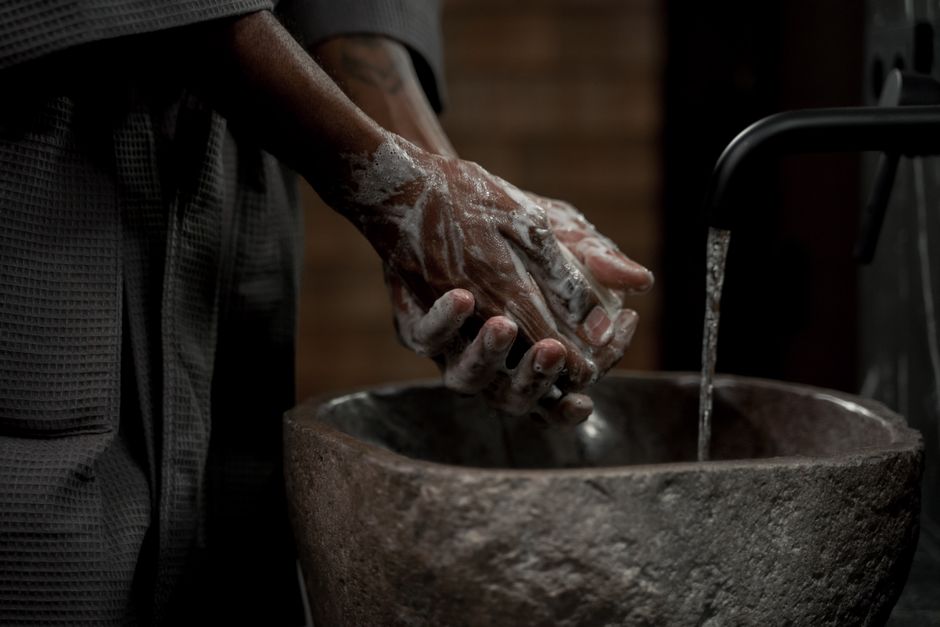
Washing your hands is one of the simplest and most effective ways to stop the spread of germs. The question is how long you actually need to spend doing it. The answer is about 20 seconds of scrubbing with soap and water, which is roughly the time it takes to hum the “Happy Birthday” song twice from beginning to end. This duration is not a random number; it is based on how long it takes soap to break down the oils and dirt on your skin that carry viruses and bacteria.
Why 20 Seconds Is the Standard
The 20-second rule comes from public health research on how soap works. Soap molecules have a unique structure. One end attaches to water, and the other end attaches to oils and fats. Many viruses, including the ones that cause colds and flu, are covered in a fatty lipid envelope. When you scrub with soap, the soap pulls these fatty layers apart and lifts the germs off your skin.
This chemical process takes time. A quick rinse under water does not give the soap enough time to break down the oils and detach the microbes. Studies have shown that washing for 15 to 20 seconds removes significantly more germs than washing for 5 seconds. The extra time ensures that the soap has worked its way into the crevices of your hands, under your nails, and between your fingers where germs hide.
What the Research Actually Shows
Researchers have tested different handwashing durations to find the minimum effective time. Some studies suggest that even 10 seconds of scrubbing can remove a large number of germs. However, public health agencies recommend the longer 20-second window because it provides a safety margin. It ensures that people who scrub less thoroughly still get adequate coverage.
One important finding is that the friction from rubbing your hands together matters as much as the soap itself. The physical action of scrubbing dislodges germs from your skin. This is why the technique matters as much as the time. You need to cover all surfaces of your hands, not just your palms.
How to Wash Your Hands Properly
Time is only part of the equation. The way you wash matters just as much. Here is the recommended method used by health professionals:
- Wet your hands with clean running water and turn off the tap.
- Apply enough soap to cover all hand surfaces.
- Scrub for at least 20 seconds. Be sure to rub the backs of your hands, between your fingers, and under your nails.
- Rinse your hands well under clean running water.
- Dry your hands with a clean towel or air dry them.
If you do not have access to soap and water, an alcohol-based hand sanitizer with at least 60% alcohol is a good backup. But sanitizer does not work as well when your hands are visibly dirty or greasy. It also does not remove certain types of germs, like norovirus, as effectively as soap and water.





When You Must Wash Your Hands
There are specific moments when handwashing is critical to prevent illness. You should always wash your hands in these situations:
- Before, during, and after preparing food
- Before eating
- After using the toilet
- After changing diapers or cleaning up a child who has used the toilet
- Before and after caring for someone who is sick
- After blowing your nose, coughing, or sneezing
- After touching an animal, animal feed, or animal waste
- After handling pet food or pet treats
- After touching garbage
These moments are not suggestions. They are the points where germs transfer most easily from surfaces to your body. If you are in a public place, consider washing your hands after touching shared surfaces like doorknobs, elevator buttons, and shopping carts, especially during cold and flu season.
Does Water Temperature Matter?
Many people believe that hot water kills germs better than cold water. The evidence does not support this. Research has found that water temperature makes little difference in germ removal as long as you use soap and scrub properly. The key is the soap and the friction, not the heat of the water.
Very hot water can actually irritate your skin. Damaged skin harbors more bacteria and is more susceptible to infection. Using lukewarm or cool water is perfectly fine. The most important thing is that you wash for the full 20 seconds with soap.
Hand Sanitizer vs. Soap and Water
Hand sanitizer is convenient, but it is not a replacement for soap and water in every situation. Sanitizer works by denaturing the proteins in germs, which destroys them. It is effective against many bacteria and viruses when used correctly. You need to apply enough to cover your whole hand and rub until dry, which takes about 20 seconds as well.
However, sanitizer has clear limitations. It does not remove dirt, grease, or chemicals from your hands. It is also less effective against certain pathogens, including norovirus and Cryptosporidium, which cause severe diarrhea. If your hands are visibly dirty or you have been in contact with someone who has diarrhea, soap and water is the only reliable option.
Common Handwashing Mistakes
Even people who wash their hands often make mistakes that reduce effectiveness. One common error is washing for only a few seconds. Another is forgetting to wash the backs of the hands and between the fingers. Many people also skip washing their thumbs, which are frequently used to touch screens and surfaces.
Drying your hands properly is also important. Germs transfer more easily to and from wet hands than dry hands. Studies have shown that wet hands can transfer germs to surfaces more readily. Use a clean towel to dry thoroughly, or let your hands air dry completely.
How Long Should U Wash Your Hands
The direct answer is that you should scrub your hands with soap for at least 20 seconds. This is the duration recommended by public health authorities based on the time needed for soap to break down the oils and fats that carry germs. If you are in a hurry, 15 seconds is better than nothing, but 20 seconds is the target.
If you are teaching children to wash their hands, the “Happy Birthday” song twice trick works well. It gives them a concrete way to measure the time. For adults, counting slowly to 20 or reciting the alphabet works just as well. The goal is consistency, not perfection. A full 20-second wash done properly every time will protect you far better than a rushed 5-second rinse done frequently.
Frequently Asked Questions
Is washing hands for 5 seconds better than not washing at all?
Yes, a quick wash removes some germs, but it removes far fewer than a full 20-second wash. Use the short wash only when you have no other option, and aim for the full duration whenever possible.
Does antibacterial soap work better than regular soap?
No. Regular soap works just as well as antibacterial soap for everyday handwashing. Antibacterial soap adds chemicals that are not necessary for removing germs in normal household settings.
Can you wash your hands too much?
Yes. Excessive washing can strip your skin of natural oils, leading to dryness, cracking, and irritation. Damaged skin is more vulnerable to infection, so wash when needed and moisturize regularly to keep your skin healthy.
Is hand sanitizer as effective as washing with soap?
No. Hand sanitizer is effective against many germs but does not remove dirt, grease, or certain viruses like norovirus. Soap and water is the preferred method whenever it is available.
