
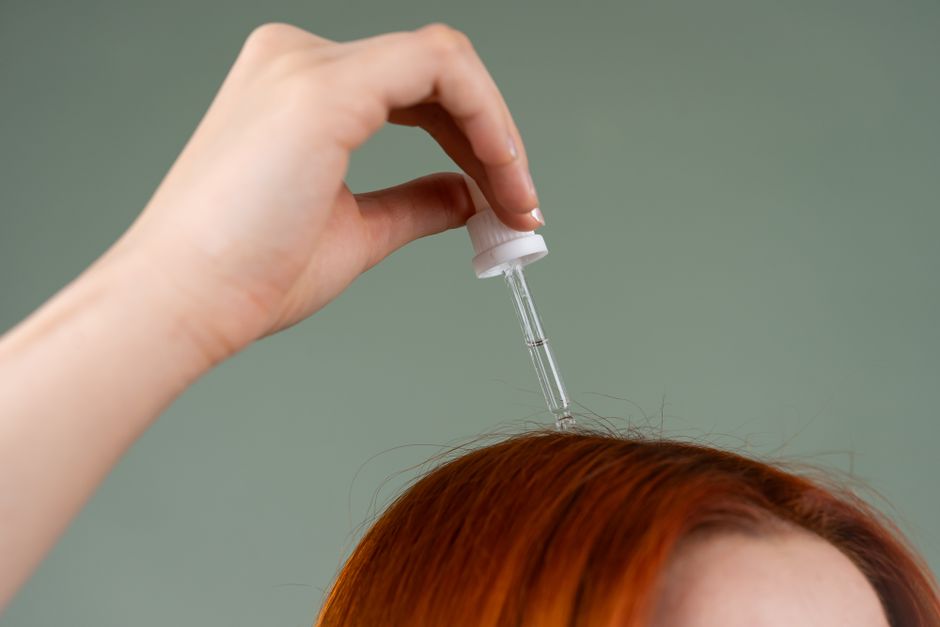
Scalp pimples are small, inflamed bumps on the skin under your hair. They form when hair follicles get blocked or irritated. The result is a red, tender bump that may itch, sting, or fill with pus. Most scalp breakouts come from common causes like oil buildup, product residue, or a condition called folliculitis. A few causes are worth checking with a doctor.
Why Are You Getting Pimples On Your Scalp
The scalp has thousands of hair follicles packed close together. Each follicle is a small pocket in the skin with a sebaceous gland attached. That gland makes oil. When oil, dead skin cells, and debris collect inside the follicle opening, the pore can clog. Bacteria that normally live on skin can then multiply inside the blocked follicle and trigger inflammation. That inflamed follicle is what you feel as a pimple.
Several things push this process along. Sebum production rises with hormones, which is why breakouts often track with puberty, menstrual cycles, or stress. Not washing enough lets oil and dead skin accumulate. Washing too much strips the scalp and can trigger more oil production. Sweat trapped under hair, tight hats, and heavy styling products all add to the mix.
One thing worth knowing: a scalp “pimple” is not always acne. Acne is a specific condition involving oil glands and a particular bacterium. Many bumps on the scalp are folliculitis, which is inflammation or infection of the follicle itself. The two look similar but have different causes and different treatments. A doctor can tell them apart.
What Causes Scalp Folliculitis?
Folliculitis is the most common reason for pimple-like bumps on the scalp. It happens when follicles become inflamed, usually after bacteria, fungi, or physical irritation get into the opening.
Bacterial folliculitis often follows damage to the follicle. This can come from scratching, tight braids, or shaving. The bacterium Staphylococcus aureus is a frequent culprit. It lives harmlessly on many people’s skin but can cause infection when it gets into a follicle.
Fungal folliculitis is different. It is caused by a yeast called Malassezia that naturally lives on the scalp. When it overgrows, it can inflame follicles and cause an itchy, bumpy rash. This type tends to be persistent and often comes with flaking or dandruff.
Other triggers include:
- Heavy sweating, especially under a hat or helmet
- Hot tubs or pools that are not well maintained
- Oils and heavy pomades that block follicles
- Tight hairstyles that pull on the roots
- Certain medications, including some acne drugs and steroids
If bumps appear in clusters and keep coming back, a fungal cause is more likely. If they are tender, pus-filled, and scattered, bacteria are more likely. Only a doctor can confirm which one you have.
Is It Acne, Folliculitis, or Something Else?
Scalp bumps have several possible causes, and they do not all respond to the same treatment. Getting the cause right matters because using the wrong product can make things worse.
Acne on the scalp is less common than on the face, chest, and back, but it does happen. It looks like typical acne: blackheads, whiteheads, or deep tender bumps. Folliculitis looks like small red bumps or pus-filled blisters around hair follicles.
A few other conditions can mimic both:
- Seborrheic dermatitis causes flaky, greasy, inflamed patches, often with itching.
- Contact dermatitis is a reaction to a product, causing redness and bumps where it touched your skin.
- Psoriasis causes thick, silvery scales and can affect the scalp.
There is also a less common condition called folliculitis decalvans. It causes inflamed bumps that can lead to permanent hair loss and scarring. If you notice bald patches forming where the bumps are, see a doctor promptly.
If bumps are painful, spreading, or not improving after a few weeks of basic care, a doctor can examine the scalp and, if needed, take a sample to identify the cause.





What Makes Scalp Breakouts Worse?
Daily habits often keep follicles irritated. Small changes can reduce how often breakouts happen.
Not washing often enough is a common problem. Oil, sweat, and dead skin build up and block follicles. But overwashing causes its own trouble. It strips natural oils, and the scalp may respond by producing more oil. For most people, washing every one to two days with a gentle shampoo is reasonable. People with very oily scalps may need to wash daily.
Products are another frequent trigger. Heavy gels, pomades, and oils sit on the scalp and can clog follicles. Leaving them in for days makes it worse. Conditioner applied directly to the scalp can also contribute.
Other things that worsen scalp breakouts:
- Wearing tight hats or helmets for long stretches, trapping sweat
- Scratching or picking at bumps, which spreads infection
- Sharing combs, brushes, or hats
- Stress, which can raise hormone levels and oil production
- High-sugar diets, which some research links to more acne
The link between diet and acne is real but modest. Some studies suggest that high-glycemic diets may worsen acne. The evidence is stronger for facial acne than for scalp breakouts specifically.
How Do You Treat Scalp Pimples?
Treatment depends on the cause. What works for bacterial folliculitis will not fix a fungal one, and vice versa. This is why guessing at products often fails.
For mild, occasional bumps, basic care often helps. Wash regularly with a gentle shampoo. Stop using heavy styling products. Avoid scratching. Keep hats and pillowcases clean. These steps reduce irritation and give follicles a chance to settle.
For bacterial folliculitis, doctors commonly prescribe topical antibiotics or, in more stubborn cases, oral antibiotics. Some clinicians also recommend an antibacterial wash. This is common clinical practice, though the strength of evidence varies by product.
For fungal folliculitis, antifungal shampoos are the usual approach. These often contain ingredients like ketoconazole or selenium sulfide. They are typically used several times a week at first, then less often. A doctor can advise on how long to use them.
For scalp acne, standard acne treatments may help. These include products with salicylic acid or benzoyl peroxide. A doctor may prescribe stronger options if needed.
Do not squeeze or pick at scalp bumps. This can push infection deeper, spread bacteria, and in some cases lead to scarring or hair loss. If a bump is large, painful, or not improving, let a doctor look at it.
When Should You See a Doctor?
Most mild scalp breakouts clear up with better scalp care. Some signs mean it is time to get medical help.
See a doctor if:
- Bumps are spreading or getting worse
- You have large, painful, or deep lumps
- You notice hair loss or bald patches where the bumps are
- Bumps do not improve after a few weeks of basic care
- You have a fever or the area feels hot and swollen
- You have a weakened immune system
A doctor can usually diagnose the cause by looking at your scalp. Sometimes they take a small sample to check for bacteria or fungus. This helps target treatment correctly instead of trying products at random.
Getting the right diagnosis early matters most when hair loss is involved. Some scarring forms of folliculitis can cause permanent damage if left untreated.
Frequently Asked Questions
Are scalp pimples the same as acne?
Not always. Many scalp bumps are folliculitis, which is inflammation or infection of the hair follicle, not true acne. The two look similar but have different causes and treatments.
Can scalp pimples cause hair loss?
Mild breakouts usually do not cause lasting hair loss. However, some forms of folliculitis can scar the follicle and lead to permanent hair loss, so see a doctor if you notice bald patches.
How often should I wash my hair if I get scalp pimples?
For most people, washing every one to two days with a gentle shampoo helps control oil and buildup. People with very oily scalps may need to wash daily.
Do scalp pimples go away on their own?
Mild cases often improve with better scalp care and less product use. Bumps that spread, hurt, or last more than a few weeks should be checked by a doctor.
