

Waking up dizzy is a common and unsettling experience. It can feel like the room is spinning, or like you are lightheaded and unsteady on your feet. For most people, it is a brief and harmless event that passes within minutes. The feeling happens because your body is transitioning from a state of rest to a state of activity, and several systems in your body have to adjust quickly. The most common culprits are changes in blood pressure, shifts in inner ear fluid, and low blood sugar from the overnight fast.
What Causes Dizziness When You First Wake Up?
Dizziness upon waking is not a single condition. It is a symptom with several possible triggers. The cause often depends on the exact type of dizziness you feel.
If you feel like the room is spinning, that is vertigo. This usually points to your inner ear. If you feel faint or lightheaded, that is often related to your blood pressure or blood sugar. Both types are common in the morning, but they have different mechanisms.
Your body undergoes major changes while you sleep. Your heart rate slows, your breathing deepens, and your blood pressure drops. When you stand up, gravity pulls blood toward your feet. Your nervous system has to work quickly to constrict blood vessels and push blood back up to your brain. If this response is sluggish, you feel lightheaded.
Why Are You Dizzy When I Wake Up: The Inner Ear Connection
Your inner ear contains a delicate system of canals filled with fluid. This fluid moves when you turn your head, telling your brain about your position and movement. This system works even when you are asleep, but it can be affected by how you sleep.
One of the most common causes of morning vertigo is a condition called Benign Paroxysmal Positional Vertigo, or BPPV. This happens when tiny calcium crystals in your inner ear move into the wrong canal. When you change position in bed or sit up, these crystals shift and send false signals to your brain. The result is a sudden, intense spinning sensation that usually lasts less than a minute.
BPPV is strongly linked to sleep position. Many people report that they notice it first thing in the morning because that is when they move their head the most after being still for hours. The condition is benign, meaning it is not dangerous, but it can be very disruptive.
Blood Pressure Changes and Morning Lightheadedness
A sudden drop in blood pressure when you stand up is called orthostatic hypotension. This is a leading cause of feeling faint or lightheaded in the morning.
Normally, your body detects the blood pooling in your legs and quickly releases hormones to narrow blood vessels. This pushes blood back to your brain. If this reflex is slow or weak, your brain briefly does not get enough blood. That moment of reduced flow creates the dizzy feeling.
Several factors make this more likely in the morning. You may be dehydrated after a night without fluids. Your blood vessels may be more relaxed after sleep. Some blood pressure medications are also more potent in the morning. If you take medication for high blood pressure, talk to your doctor about whether timing matters for your specific prescription.
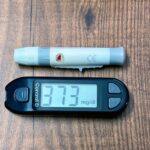




Low Blood Sugar After Overnight Fasting
Your body uses energy while you sleep. By morning, your blood sugar levels have naturally dropped, especially if you ate dinner early the previous evening. For most healthy people, this drop is small and does not cause symptoms.
However, some people are more sensitive to these changes. If you feel shaky, weak, or dizzy along with hunger, low blood sugar may be the cause. This is more common in people with diabetes or prediabetes, but it can affect others too.
If this happens regularly, eating a balanced snack before bed may help. A combination of protein and complex carbohydrates is generally more effective than a sugary snack, which can cause a rapid rise and then a sharp drop in blood sugar overnight.
Dehydration and Its Effect on Morning Dizziness
Your body loses water throughout the night through breathing and sweat. Even without noticeable sweating, you wake up mildly dehydrated. This reduces your total blood volume.
Lower blood volume means your blood pressure has less support. When you stand up, there is simply less fluid available to push toward your brain. The result is lightheadedness.
Most adults do not drink enough water in the evening, either because they are busy or because they want to avoid waking up to use the bathroom. This is understandable, but it can contribute to morning dizziness. If you are prone to this problem, try drinking a full glass of water as soon as you wake up. Keep a glass on your nightstand so it is the first thing you reach for.
Sleep Position and Cervical Vertigo
Your neck plays a role in balance that many people do not realize. The joints and muscles in your upper neck contain sensors that communicate with your inner ear and brain. If you sleep in an awkward position, these sensors can be irritated.
Waking up with a stiff neck and dizziness together may point to cervical vertigo. This is a debated condition, but many clinicians recognize it in practice. The dizziness is usually less intense than BPPV and feels more like unsteadiness than spinning.
Your pillow choice matters more than you might think. A pillow that is too thick or too flat can hold your neck in an unnatural position for hours. This can irritate the nerves and muscles that affect balance. If you wake up dizzy and stiff regularly, consider whether your sleeping position changed recently.
When Morning Dizziness Needs Medical Attention
Most morning dizziness is brief and harmless. But some symptoms require prompt medical evaluation. You should see a doctor if your dizziness lasts more than a few minutes, if it happens every day, or if it is severe enough to make you fall.
Seek emergency care immediately if dizziness is accompanied by any of these warning signs:
- Chest pain or pressure
- Difficulty speaking or understanding speech
- Weakness or numbness on one side of the body
- A severe headache that came on suddenly
- Fainting or loss of consciousness
- Double vision or sudden vision changes
These symptoms can indicate a stroke, a heart problem, or another serious condition. Do not wait to see if they pass. Call emergency services right away.
Even without these emergency signs, persistent morning dizziness deserves a medical evaluation. Your doctor can check your blood pressure, review your medications, and perform simple tests to determine the cause. BPPV, for example, can be diagnosed with a quick bedside test and treated with a simple repositioning maneuver.
Simple Steps to Reduce Morning Dizziness
If your dizziness is mild and you have ruled out serious causes, a few practical habits can help. These are general measures that address the most common triggers.
Change how you get out of bed. Instead of sitting up quickly, roll onto your side first. Pause for a moment. Then push yourself up with your arms and sit on the edge of the bed. Wait a few seconds before standing. This gives your blood pressure time to adjust.
Stay hydrated throughout the day, not just in the morning. Your overall fluid balance affects how you feel when you wake up. Drink water regularly, and be mindful of how much alcohol you consume in the evening. Alcohol is dehydrating and can significantly worsen morning dizziness.
Keep a regular sleep schedule. Irregular sleep patterns can affect your blood pressure regulation and make you more sensitive to changes. Aim for consistent bedtimes and wake times, even on weekends.
Frequently Asked Questions
Why do I feel dizzy when I stand up in the morning?
This is usually orthostatic hypotension, a temporary drop in blood pressure when you stand. Your body’s blood vessel response is slower in the morning, especially if you are dehydrated.
Can sleeping position cause morning dizziness?
Yes. Sleeping in a position that turns your head can move inner ear crystals and trigger BPPV. An awkward neck position can also irritate balance sensors in your upper spine.
How long should morning dizziness last?
Most harmless morning dizziness passes within 30 to 60 seconds. If it lasts longer than a few minutes or happens daily, you should have it evaluated by a doctor.
Is waking up dizzy a sign of a serious condition?
Usually not, but it can be. Seek emergency care if dizziness comes with chest pain, trouble speaking, weakness on one side, or a sudden severe headache.
