
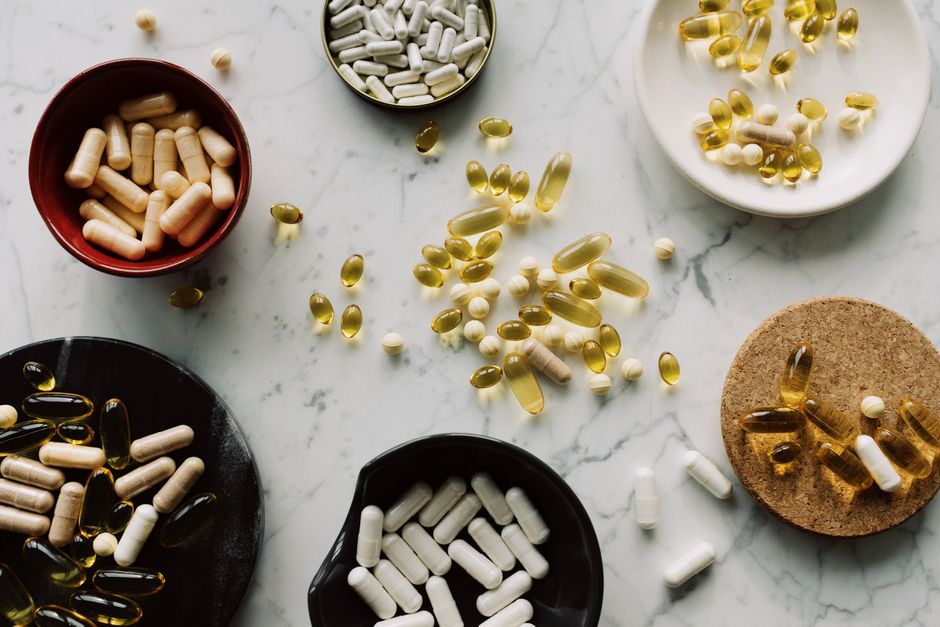
Probiotics are taken to restore or improve the balance of bacteria in the gut. The root causes people turn to them for are digestive issues, antibiotic use, immune support, and general gut health. These live microorganisms, often called “good bacteria,” are meant to help your gut microbiome function properly when it has been disrupted or is out of balance.
What Exactly Are Probiotics and How Do They Work in Your Body?
Probiotics are live bacteria and yeasts that are good for your digestive system. Your body already has trillions of these microorganisms living in your gut. They help break down food, produce vitamins, and keep harmful bacteria in check. When you take a probiotic supplement or eat fermented foods, you are adding more of these helpful microbes to your system.
The way they work is not fully understood, but research shows they compete with harmful bacteria for space and food. They also help strengthen the gut lining and support your immune system. The World Health Organization defines probiotics as live microorganisms that give a health benefit when taken in the right amounts.
Different strains of probiotics do different things. Lactobacillus and Bifidobacterium are the most common types found in supplements. Each strain has its own job. Some help with diarrhea. Others may help with bloating or constipation. This is why one probiotic does not fit every problem.
Why Are Probiotics Taken After Antibiotics?
Antibiotics kill bacteria. They do not just kill the bad bacteria causing your infection. They also kill the good bacteria in your gut. This leaves your digestive system unbalanced. Many people get diarrhea or stomach upset as a result.
Research published in the Journal of the American Medical Association found that taking probiotics alongside antibiotics can reduce the risk of antibiotic-associated diarrhea by about 42 percent. The idea is simple. You replace the good bacteria that the antibiotics wiped out.
The timing matters. Most studies suggest taking probiotics a few hours after your antibiotic dose. This gives the antibiotic time to work without killing the probiotic bacteria right away. Some doctors recommend continuing probiotics for a few weeks after finishing antibiotics to help the gut fully recover.
Not all probiotics work equally for this purpose. Saccharomyces boulardii, which is a yeast, and Lactobacillus rhamnosus GG have the strongest evidence for preventing antibiotic-related diarrhea. If you are taking antibiotics, look for these specific strains.
What Does Research Show About Probiotics for Digestive Issues?
Digestive problems are the most common reason people try probiotics. The evidence is strongest for a few specific conditions. For irritable bowel syndrome, or IBS, some studies suggest certain probiotic strains can reduce bloating and abdominal pain. A 2020 review in the journal Nutrients found that multi-strain probiotics worked better than single strains for IBS symptoms.
For diarrhea caused by infections, probiotics can shorten the duration by about one day on average. The Cochrane Database of Systematic Reviews has confirmed this finding. The effect is modest but real. For constipation, the evidence is weaker. Some people report improvement, but studies have not shown a consistent benefit.
Inflammatory bowel diseases like Crohn’s disease and ulcerative colitis have mixed evidence. Some studies suggest probiotics may help maintain remission in ulcerative colitis. But for Crohn’s disease, the evidence is much less clear. The American Gastroenterological Association recommends against using probiotics for most cases of inflammatory bowel disease because the data is not strong enough.
For traveler’s diarrhea, the evidence is also mixed. Some studies show a small benefit in prevention. Others show no effect. The type of diarrhea and the strains of probiotics used seem to matter a lot.





Can Probiotics Help with Immune Health and Other Conditions?
The immune system and the gut are closely connected. About 70 percent of your immune cells live in your gut. This is why some researchers think probiotics might help your immune system work better.
Some studies have found that people who take probiotics get sick less often or recover faster from colds. A review in the British Journal of Nutrition found that probiotics reduced the duration of respiratory infections by about two days. The effect was small but consistent across multiple studies.
For allergies and eczema, the evidence is mainly in infants. Giving probiotics to pregnant women and newborns may reduce the risk of eczema in children. The American Academy of Allergy, Asthma and Immunology has noted this possible benefit. But for adults with existing allergies, the evidence is much weaker.
Probiotics have been studied for mental health too. This is called the gut-brain axis. Some small studies suggest certain strains may reduce symptoms of anxiety and depression. But the research is early. The effects seen in studies are small. No major health organization currently recommends probiotics for mental health conditions.
For vaginal health, specific strains of Lactobacillus may help prevent yeast infections and bacterial vaginosis. Some studies show a reduction in recurrence rates. The evidence is moderate but not strong enough for universal recommendations.
What Are the Side Effects and Risks of Taking Probiotics?
For most healthy people, probiotics are safe. The most common side effects are mild. They include gas, bloating, and stomach upset. These usually go away after the first few days as your gut adjusts.
Serious side effects are rare. But they can happen. People with weakened immune systems should be careful. This includes people on chemotherapy, organ transplant recipients, and those with severe pancreatitis. In these cases, the live bacteria in probiotics can cause infections. The Centers for Disease Control and Prevention has reported cases of probiotic-related bloodstream infections in hospitalized patients.
Quality control is another concern. Because probiotics are sold as dietary supplements in the United States, the FDA does not review them for safety or effectiveness before they go on the market. A study in the journal Frontiers in Microbiology found that many probiotic supplements do not contain the bacteria listed on the label. Some have less. Some have different strains. Some have no live bacteria at all.
If you have a serious medical condition or a compromised immune system, talk to your doctor before taking probiotics. For everyone else, the risk is low but the benefit may also be small depending on what you are trying to treat.
Common Misconceptions About Probiotics and What to Avoid
One common myth is that all probiotics are the same. They are not. Different strains do different things. Taking a random probiotic for a specific problem is like taking a random pill for a headache. It might work. It might not. You need the right strain for the right condition.
Another myth is that more is always better. Higher doses do not necessarily mean better results. Some studies show that moderate doses work just as well as high doses. Your gut can only host so many bacteria at once. The rest just pass through.
People also think probiotics need to be taken with prebiotics to work. Prebiotics are fibers that feed good bacteria. Some products combine them. This is called a synbiotic. For some people, this combination may help. But it is not required for probiotics to work.
What to avoid:
- Probiotics that have not been refrigerated when they require it. Some strains are shelf-stable. Others need cold storage. Check the label.
- Products that list only the weight of bacteria instead of the number of live organisms. You want to see colony-forming units, or CFUs.
- Products that do not list the specific strains on the label. “Probiotic blend” is not specific enough.
- Buying from unknown brands with no third-party testing. Look for seals from USP, NSF, or ConsumerLab.
| Condition | Evidence Level | Best Strains |
|---|---|---|
| Antibiotic-associated diarrhea | Strong | Saccharomyces boulardii, Lactobacillus rhamnosus GG |
| Irritable bowel syndrome | Moderate | Multi-strain blends, Bifidobacterium infantis |
| Infectious diarrhea | Moderate | Lactobacillus rhamnosus GG, Saccharomyces boulardii |
| Constipation | Weak | Bifidobacterium lactis |
| Eczema prevention in infants | Moderate | Lactobacillus rhamnosus GG |
| Common cold prevention | Weak to Moderate | Lactobacillus casei, Bifidobacterium animalis |
How to Choose a Probiotic and What to Expect
Start by knowing what you want to treat. Do not buy a random probiotic off the shelf. Look for the specific strain that has research behind it for your condition. The label should list the genus, species, and strain. For example, Lactobacillus rhamnosus GG. That “GG” is the strain name.
Check the CFU count. Most studies use doses between 1 billion and 10 billion CFUs per day. Higher doses are not necessarily better. Some products advertise 100 billion CFUs. There is no evidence that this amount is more effective for most conditions.
Look at the expiration date. Probiotics are live organisms. They die over time. A product that expires next month may have far fewer live bacteria than one that expires next year. Buy from a store with good turnover. Check the date before you buy.
Pay attention to how you store them. Some need refrigeration. Others are shelf-stable. Follow the storage instructions on the label. Heat and moisture can kill the bacteria.
Expect results to take time. Probiotics do not work instantly. Most studies show benefits after one to four weeks of daily use. If you do not notice any change after a month, the probiotic you chose may not be right for your problem. Or probiotics may not help your specific issue at all.
Your gut microbiome is unique. What works for one person may not work for another. This is normal. Probiotics are not a cure-all. They are a tool. Use them for specific problems where the evidence supports their use. For general health, eating fermented foods like yogurt, kefir, sauerkraut, and kimchi may be just as effective as taking a supplement.
Frequently Asked Questions
Should I take probiotics every day?
Yes, for most people daily use is safe and recommended if you want to see benefits. Consistency matters because probiotics do not permanently colonize the gut and need to be replenished regularly.
Can I get probiotics from food instead of supplements?
Yes, fermented foods like yogurt, kefir, kimchi, and sauerkraut contain live bacteria. Food sources may offer additional nutrients that supplements do not provide.
Do probiotics help with weight loss?
Some studies suggest certain strains may have a small effect on weight, but the evidence is weak. No major health organization recommends probiotics for weight loss.
Are probiotics safe during pregnancy?
Most probiotics are considered safe during pregnancy, but you should talk to your doctor first. Some strains have been studied specifically for use in pregnant women with no reported problems.
