
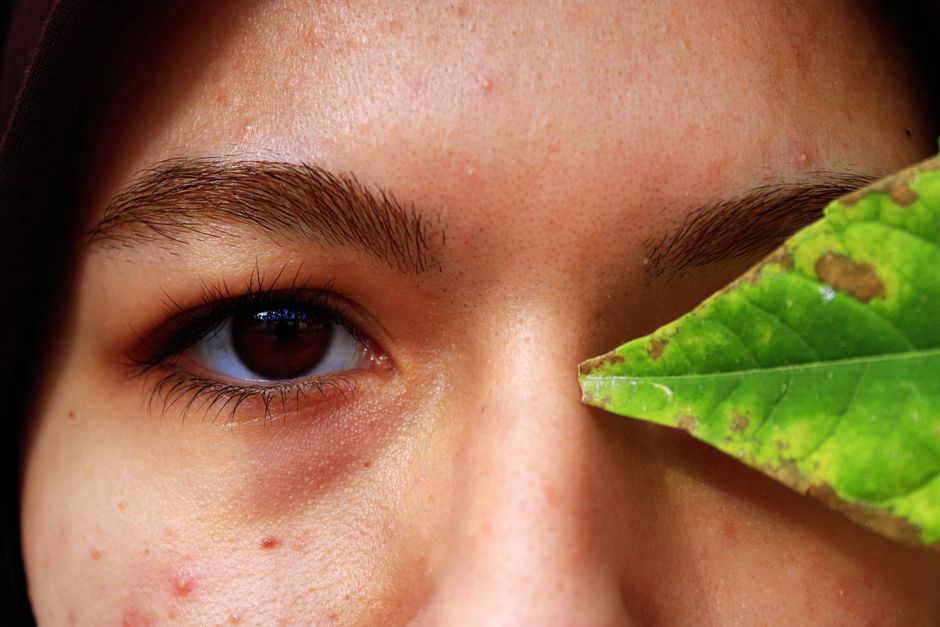
Swollen upper eyelids are common, and most cases are temporary and harmless. The cause is usually fluid retention, allergies, or an irritant like dust or makeup. However, swelling can also signal an infection or an underlying health issue, so knowing when to treat it at home and when to see a doctor matters.
What Causes Upper Eyelid Swelling?
Eyelid skin is the thinnest skin on your body. It has almost no fat underneath it, so when fluid builds up or tissues become inflamed, the swelling is immediately visible. Several different problems can trigger this reaction.
The most frequent causes fall into four groups: allergies, infections, lifestyle factors, and injury. Each has its own set of signs that help tell them apart.
Allergies and Irritants
Allergic reactions are one of the leading causes of swollen upper eyelids. When your immune system mistakes a harmless substance for a threat, it releases histamine. Histamine makes small blood vessels leak fluid into surrounding tissue, and eyelid skin shows this quickly.
Common triggers include:
- Pollen, pet dander, or dust mites
- Cosmetics, especially eye shadow or mascara
- Contact lens solution
- Skincare products containing fragrance or preservatives
- Prescription eye drops
Allergic eyelid swelling usually comes with itching, redness, and sometimes a watery discharge. Both eyes are often affected, though not always equally. Symptoms typically appear within minutes to hours after contact with the trigger.
Contact dermatitis is a specific type of allergic reaction that happens when eyelid skin directly touches an irritant. Nail polish, hair dye, and even nickel in eyeglass frames can cause it. The skin may feel dry, scaly, or blistered in addition to being swollen.
Infections: Styes and Blepharitis
A stye is a localized infection of an oil gland at the edge of the eyelid. It looks like a red, painful bump that fills with pus. Most styes are caused by bacteria called Staphylococcus, which normally live on skin without causing problems.
A stye usually forms over a few days. The eyelid becomes tender, swollen, and red in one specific spot. The bump may come to a head and drain on its own, which typically brings relief. Styes are not contagious and rarely affect vision.
Blepharitis is inflammation of the eyelid margins. It affects both eyes and causes red, swollen, itchy eyelids with crusty flakes at the base of the lashes. It is often a chronic condition that flares up periodically. Blepharitis is linked to dandruff, rosacea, and malfunctioning oil glands along the eyelid edge.
Cellulitis of the eyelid, called preseptal cellulitis, is a more serious infection. The entire eyelid becomes swollen, red, warm, and painful. Fever may accompany it. This condition requires prompt medical treatment because the infection can spread behind the eye. If your eyelid is severely swollen and painful, do not wait to see if it improves on its own.


Fluid Retention and Lifestyle Causes
Sometimes swollen eyelids have nothing to do with allergies or infection. Fluid can simply pool in the eyelid tissues, especially after sleep. This is why many people wake up with puffy eyes that improve within an hour or two.
Common contributors to fluid retention around the eyes include:
- Eating a high-salt meal the night before
- Not drinking enough water
- Sleeping flat without elevating the head
- Crying the previous evening
- Hormonal changes related to the menstrual cycle
- Alcohol consumption
Age also plays a role. As we get older, the tissues around the eyes weaken, and fat can shift forward into the eyelids. This creates a permanently puffy appearance that is not related to any active medical problem. It is a normal part of aging, not a condition that needs treatment.
Chronic fluid retention can signal a health issue. Kidney disease, heart failure, and thyroid disorders can all cause puffiness around the eyes. If your eyelids are swollen every morning and accompanied by swelling in your legs or ankles, mention this to your doctor.
How to Treat Swollen Upper Eyelids at Home
For mild swelling without pain, a cold compress is the first-line treatment. The cold narrows blood vessels and reduces fluid leakage into the tissue. Apply a clean cloth soaked in cold water to the closed eyelid for 10 to 15 minutes. Repeat as needed throughout the day.
For allergic swelling, an oral antihistamine can help. These are available over the counter. Antihistamine eye drops are another option, but they are not appropriate for everyone, especially contact lens wearers. Read the label carefully and follow the instructions.
For a stye, use a warm compress instead. Heat helps the blocked oil gland drain. Soak a clean cloth in warm water, wring it out, and hold it against the closed eyelid for 10 minutes, three to four times a day. Do not squeeze the stye. Let it drain on its own. Most styes resolve within a week.
For general puffiness from fluid retention, elevate your head while sleeping with an extra pillow. Reduce salt intake for a day or two. Drink water to stay hydrated. Gently massaging the swollen area can help move fluid along, but stop if it hurts.
Remove all eye makeup before bed. Old mascara and eyeliner can clog oil glands and irritate the delicate eyelid skin. Replace eye cosmetics every three months to reduce bacterial buildup.
When to See a Doctor
Most swollen eyelids improve on their own within 24 to 48 hours. Some situations require medical evaluation. See a doctor if you experience any of the following:
- Swelling that lasts longer than 48 hours without improving
- Pain that is moderate or severe
- Redness spreading beyond the eyelid
- Fever
- Blurred vision, double vision, or loss of vision
- Difficulty moving the eye
- Swelling after an eye injury
- Swelling accompanied by shortness of breath or hives elsewhere on the body
Sudden severe eyelid swelling with breathing difficulty is a sign of anaphylaxis, a life-threatening allergic reaction. This is an emergency. Call emergency services immediately.
If you wear contact lenses and develop eyelid swelling, remove the lenses and do not put them back in until the swelling resolves. Contact lens-related corneal infections can be serious and require prompt attention from an eye care professional.
Why Are My Upper Eyelids Swollen Causes Treatment: Prevention Tips
Prevention depends on identifying your trigger. If allergies are the cause, minimizing exposure is the most effective strategy. Keep windows closed during high pollen seasons, wash your face after being outdoors, and wash bedding weekly in hot water to reduce dust mites.
If cosmetics are the problem, switch to hypoallergenic products labeled fragrance-free. Patch test new products on your inner arm 24 hours before applying them to your eyes. This gives you time to spot a reaction before it reaches your eyelids.
Maintain good eyelid hygiene. Wash your eyelids daily with a gentle cleanser designed for the eye area. This removes debris and bacteria that can clog oil glands. Warm compresses once a day can also keep oil glands flowing freely.
Manage underlying conditions that contribute to eyelid swelling. If you have dandruff or rosacea, treating those conditions can reduce blepharitis flare-ups. If you have seasonal allergies, starting antihistamines before allergy season begins can blunt the severity of symptoms.
Frequently Asked Questions
Can a swollen upper eyelid be a sign of something serious?
Yes, in rare cases it can indicate preseptal or orbital cellulitis, which are bacterial infections requiring prompt treatment. See a doctor immediately if the swelling is painful, accompanied by fever, or affects your vision.
How long does a swollen eyelid last?
Mild swelling from allergies or fluid retention usually resolves within 24 to 48 hours. A stye may take up to a week to fully heal, and chronic blepharitis can flare up repeatedly over months.
Is it safe to pop a stye on my eyelid?
No, you should never squeeze or pop a stye. Squeezing can push the infection deeper into the eyelid tissue and make the problem worse. Warm compresses will help it drain naturally.
Can lack of sleep cause swollen eyelids?
Yes, poor sleep can contribute to fluid retention around the eyes. Sleep deprivation also increases stress hormones, which can worsen inflammation and make existing eyelid conditions like blepharitis flare up.
