
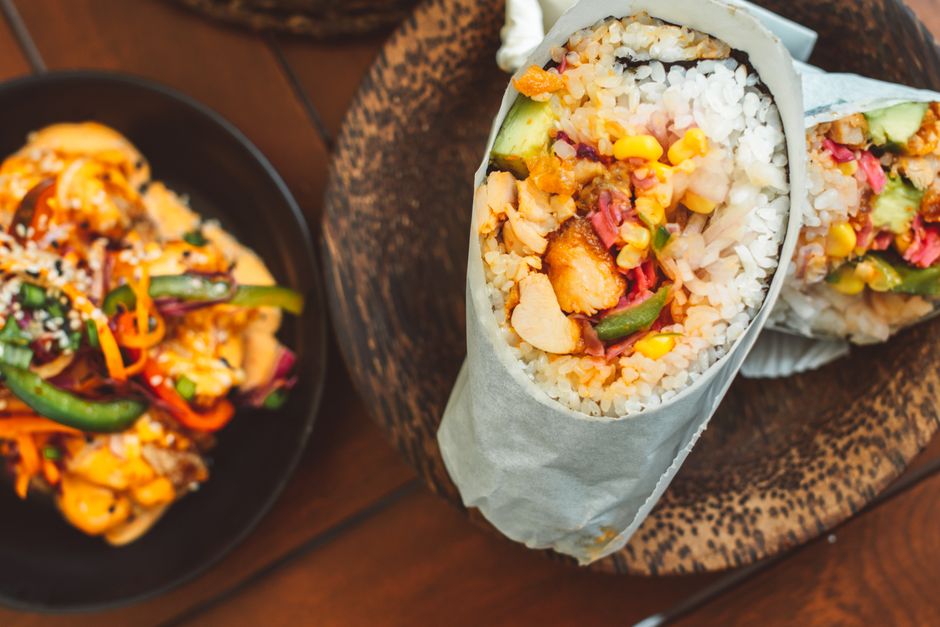
Burritos often pack more calories, fat, and sodium into a single meal than most adults should eat in an entire sitting. A typical restaurant-style burrito can contain 1,000 to 1,200 calories, 40 to 60 grams of fat, and over 2,000 milligrams of sodium — which is already above the American Heart Association’s recommended daily limit of 1,500 milligrams. The problem is not the tortilla or the beans alone. It is the combination of large portions, refined grains, fatty meats, heavy cheese, sour cream, and sodium-laden sauces that turns a reasonable meal into a nutritional overload.
How Many Calories Are in a Typical Burrito?
Calorie counts vary wildly depending on where you get your burrito and what goes inside it. A homemade bean and cheese burrito might land around 400 to 500 calories. A Chipotle burrito with steak, rice, beans, cheese, sour cream, and guacamole often exceeds 1,200 calories. That is more than half the daily calorie needs for most adults in a single item.
The main driver is portion size. Restaurant burritos are often twice the size of a reasonable serving. The tortilla alone can be 300 calories. Rice adds another 200. Meat, cheese, and sour cream each contribute significant calories before you even get to extras like guacamole or queso. When you eat a burrito as a meal, you are often consuming what should be two meals worth of energy.
Research published in the Journal of the American Academy of Nutrition and Dietetics found that meals from fast-casual Mexican restaurants average 1,057 calories. That is roughly half the daily calorie budget for an average adult. If you eat a burrito for lunch, you have very little room left for breakfast, dinner, or snacks without going over your needs.
Where Does the Fat in Burritos Come From?
Fat in burritos comes from several sources, and not all of them are obvious. Meat is one contributor, especially when it is ground beef, carnitas, or carne asada cooked in oil or lard. Cheese and sour cream are dense sources of saturated fat. A single burrito can contain 15 to 25 grams of saturated fat, which is above the American Heart Association’s recommended limit of 13 grams per day.
Guacamole adds healthy monounsaturated fat, but it still adds calories. A typical serving of guacamole in a burrito adds about 120 calories and 10 grams of fat. That is not a problem by itself, but when combined with everything else, it pushes the total fat content much higher than most people realize.
Some burritos also include refried beans made with lard or bacon fat. This adds both saturated fat and sodium. If you are trying to reduce fat, ask if the beans are vegetarian or cooked without animal fat. Many restaurants do not advertise this, so it is worth asking directly.
Why Is Sodium So High in Burritos?
Sodium is the hidden problem in most burritos. A single burrito from a fast-casual chain can contain 2,000 to 2,500 milligrams of sodium. The Dietary Guidelines for Americans recommend no more than 2,300 milligrams per day, and the American Heart Association suggests an ideal limit of 1,500 milligrams for most adults. One burrito can exceed both limits.
The sodium comes from multiple ingredients that each add a little. The tortilla contains salt. The rice is seasoned with salt. The beans are often cooked with salt. The meat is marinated or seasoned with salt-heavy spice blends. Cheese is naturally high in sodium. Sour cream has added salt. Salsas and hot sauces often contain significant sodium as well.
None of these ingredients alone is alarming. But when you combine them all into one burrito, the sodium adds up fast. The CDC reports that about 90 percent of Americans consume too much sodium, and restaurant foods are a major contributor. Burritos are a perfect example of how small amounts from many sources create a large total.




What Makes Burritos Different From Tacos or Bowls?
Burritos are not inherently worse than tacos or bowls, but they tend to be larger and more calorie-dense. A taco typically uses a small corn or flour tortilla that holds about half a cup of filling. A burrito uses a large flour tortilla that can hold two to three cups of filling. That difference in size alone doubles or triples the calories, fat, and sodium.
Bowls remove the tortilla entirely, which saves 250 to 350 calories and eliminates a significant source of refined carbohydrates and sodium. But bowls can still be high in calories if they include rice, beans, cheese, sour cream, and guacamole. The difference is that bowls give you more control over portions because you can see exactly how much of each ingredient is added.
Here is a quick comparison of typical values for similar fillings:
| Item | Calories | Fat | Sodium |
|---|---|---|---|
| Burrito (large flour tortilla) | 1,000-1,200 | 40-60g | 2,000-2,500mg |
| Taco (small corn tortilla) | 200-300 | 10-15g | 400-600mg |
| Bowl (no tortilla) | 700-900 | 30-45g | 1,500-2,000mg |
The bowl is not automatically healthy, but it gives you a better starting point. You can then make choices that lower the totals further.
Can You Make a Burrito That Is Not Unhealthy?
Yes, but it requires deliberate choices. The key is controlling portions and choosing ingredients that add nutrients rather than empty calories. Start with a smaller tortilla. A 10-inch flour tortilla has about 200 calories. A 12-inch tortilla has about 300. If you can find a whole wheat or corn tortilla, you will get more fiber and less refined starch.
Fill the burrito mostly with vegetables, beans, and lean protein. Skip the rice or use half the normal amount. Rice adds volume but little nutritional value compared to beans or vegetables. Choose grilled chicken, fish, or tofu instead of beef or pork cooked in oil. Skip the sour cream and use plain Greek yogurt or extra salsa for moisture. Use half the cheese or skip it entirely.
Here are practical swaps that significantly reduce calories, fat, and sodium:
- Use a whole wheat tortilla or lettuce wrap instead of a large flour tortilla
- Choose black or pinto beans over refried beans made with lard
- Ask for half the rice or no rice
- Skip sour cream and cheese, or use half portions
- Add extra vegetables like lettuce, tomatoes, onions, and peppers
- Use salsa or pico de gallo instead of creamy sauces
- Request that no salt be added to the rice or beans
A burrito made with these adjustments can come in at 500 to 700 calories with 15 to 25 grams of fat and 800 to 1,200 milligrams of sodium. That is still a substantial meal, but it is within reasonable limits for most people.
Why Are Burritos Unhealthy Calories Fat And Sodium Compared to Other Fast Food?
Burritos are not uniquely unhealthy compared to other fast food, but they are often worse than people assume. A typical fast-food burger and fries meal is around 1,000 to 1,200 calories with similar fat and sodium. But most people recognize that a burger and fries is a treat. Burritos are often perceived as a more balanced meal because they contain beans, vegetables, and protein.
The perception problem is that burritos seem like they should be healthy. They have beans, which are high in fiber and protein. They have vegetables. They have lean meat options. But the way restaurants prepare them — large tortillas, heavy cheese, sour cream, seasoned rice, and salty sauces — turns a potentially healthy combination into a calorie and sodium bomb.
Some studies suggest that people underestimate the calories in burritos by 30 to 40 percent. In one study from the Journal of Consumer Research, people rated a burrito as healthier than a sandwich with the same calorie count simply because it contained vegetables. The vegetables were there, but they did not cancel out the cheese, sour cream, and large tortilla. This is a classic example of what researchers call the “health halo” effect.
Frequently Asked Questions
Are burritos always unhealthy?
No, but most restaurant burritos are. Homemade burritos with controlled portions, lean protein, vegetables, and minimal cheese or sour cream can be a balanced meal.
How many calories should a healthy burrito have?
A reasonable burrito for most adults should aim for 500 to 700 calories. Anything over 900 calories is likely too much for a single meal.
Is the tortilla the unhealthiest part of a burrito?
The tortilla adds significant calories and refined carbohydrates, but the cheese, sour cream, and sodium-heavy sauces often contribute more saturated fat and sodium per bite.
Can I eat a burrito on a low-sodium diet?
It is very difficult with restaurant burritos. A homemade burrito with no added salt, low-sodium beans, and fresh vegetables can keep sodium under 600 milligrams.
