
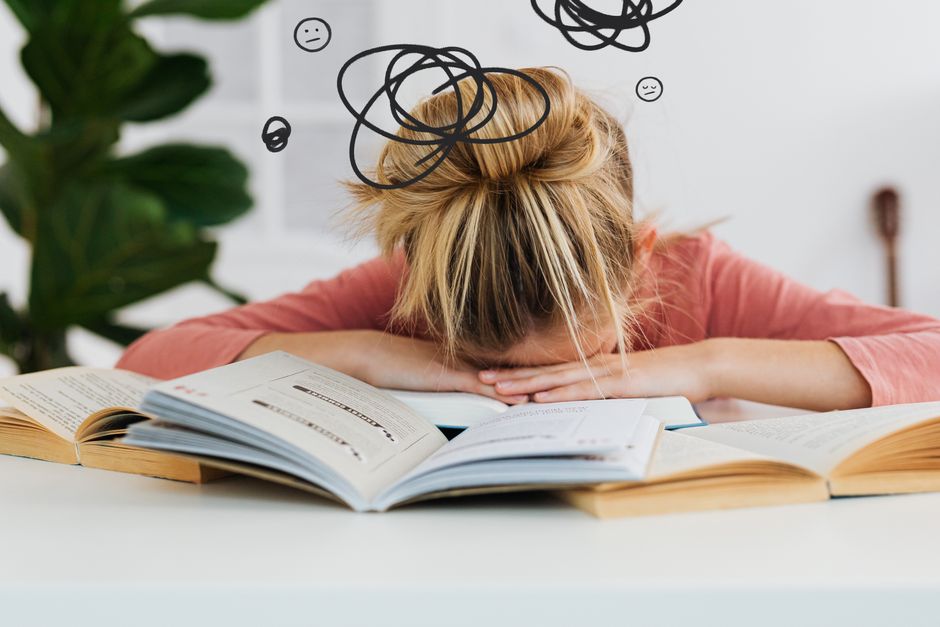
School stress rarely comes from one thing. It usually builds from several pressures at once: a heavy workload, fear of falling behind, pressure to get certain grades, social tension, and not enough time to recover. The feeling is real, and it has identifiable causes. Understanding those causes is the first step toward managing them.
Stress itself is not a flaw. It is the body’s response to demand. The problem starts when the demand never lets up and the body stays in that response for weeks or months. That is when school stress starts to affect sleep, mood, focus, and health.
Why Am I So Stressed About School The Real Causes?
The core cause is sustained pressure without enough recovery. School stress is not usually about a single hard assignment. It is about a steady load of demands that outpaces the time, energy, and support a person has to meet them.
When the brain senses a challenge, the body releases stress hormones like cortisol and adrenaline. This is the well-established fight-or-flight response. It sharpens focus briefly. But when the challenge never switches off, the same system that helps you study can start to work against you.
Several specific pressures tend to stack up:
- Academic workload that leaves little room for rest or other parts of life.
- Grade pressure from yourself, family, or the belief that one result decides your future.
- Fear of falling behind compared with classmates or an imagined timeline.
- Social and relational tension with peers, teachers, or family.
- Uncertainty about the future, exams, or applications.
- Poor sleep and low physical activity, which make stress harder to handle.
These causes feed each other. A short night makes focus harder, which makes work take longer, which eats into sleep again. The loop is common and well understood.
How Does School Stress Actually Affect the Body and Brain?
Short bursts of stress can improve alertness and performance. That part is normal and useful. The trouble comes with chronic stress, when the response stays switched on.
During chronic stress, the body keeps stress hormones elevated. Research consistently links ongoing stress to disrupted sleep, tense muscles, headaches, and changes in appetite. Many people also notice trouble concentrating and a shorter fuse.
Sleep is often the first thing to suffer. Stress makes it harder to fall asleep, and poor sleep in turn makes stress feel worse the next day. Over time, this can affect mood and make everyday tasks feel heavier than they are.
One clarification worth knowing: stress is not simply “in your head.” The physical response is measurable in heart rate, hormone levels, and sleep patterns. That is why managing it involves the body as much as the mind.
Is It Stress or Something More Serious?
Stress and anxiety overlap, but they are not identical. Stress usually has a clear trigger, like an exam or a deadline, and it eases when the trigger passes. Anxiety is more persistent and can linger even when the immediate pressure is gone.
Some signs suggest it may be worth talking to a doctor or mental health professional:
- Worry or low mood that lasts for weeks and does not ease.
- Sleep problems that continue even during calmer periods.
- Loss of interest in things you usually enjoy.
- Physical symptoms like ongoing headaches or stomach problems with no clear cause.
- Feeling unable to cope with daily tasks.
This is not a checklist for self-diagnosis. It is a reason to seek an evaluation. Only a qualified professional can tell the difference between ordinary stress and a condition that needs treatment. There is no reliable way to self-diagnose from a web page.





Why Does School Stress Feel Worse for Some People?
Two people can face the same workload and feel very different levels of stress. That difference is real and has several well-recognized sources.
Personality and thinking style play a role. People who hold themselves to very high standards, or who tend to expect the worst, often feel pressure more intensely.
Support matters. Having someone to talk to, and feeling that effort is noticed, tends to buffer stress. Feeling alone with the pressure makes it heavier.
Life outside school counts too. Family responsibilities, money worries, health issues, or conflict at home all add to the load. School stress rarely exists in isolation from the rest of life.
Sleep and movement shape how well someone handles pressure. Regular physical activity and consistent sleep are associated with better stress regulation. The reverse is also true: poor sleep and inactivity make stress harder to manage.
This is why two students with the same schedule can have very different experiences. The workload is only part of the picture.
What Actually Helps With School Stress?
The most reliable approaches target the causes, not just the feeling. That means reducing avoidable pressure and building recovery into the week.
Protect sleep. Sleep is one of the strongest levers for stress. A consistent bedtime and a wind-down routine help. Avoiding screens late at night is widely recommended, though the evidence on screens specifically is more mixed than headlines suggest. The bigger factor is often simply getting enough hours.
Break work into smaller pieces. Large, vague tasks feel overwhelming. Splitting them into concrete steps makes them easier to start and reduces the sense of being buried.
Move your body. Regular physical activity is consistently linked to lower stress and better mood. It does not need to be intense. A daily walk counts.
Talk to someone. Naming the pressure out loud, to a friend, family member, teacher, or counselor, often makes it more manageable. Social support is one of the better-supported buffers against stress.
Question the pressure. Some stress comes from beliefs like “one bad grade ruins everything.” Checking whether those beliefs are accurate can take some of the weight off. They are often harsher than reality.
What does not reliably help is pushing harder without rest. More hours of work with less sleep tends to lower performance, not raise it. This is a common trap.
When Should You Get Help for School Stress?
Get help when stress starts to interfere with daily life. That means trouble sleeping for weeks, losing interest in things you enjoy, feeling hopeless, or finding it hard to function day to day.
School counselors, primary care doctors, and mental health professionals can all be starting points. Reaching out early tends to make things easier than waiting until things feel unmanageable.
If stress ever brings thoughts of self-harm, that is a reason to seek help right away from a trusted adult or a crisis service. This is not an overreaction. It is the right step.
The overall picture is clear. School stress comes from sustained pressure without enough recovery, and it affects both body and mind. The causes are real and identifiable. So are the ways to reduce them.
Frequently Asked Questions
What is the main cause of school stress?
The main cause is sustained pressure without enough time to recover. Heavy workload, grade pressure, and poor sleep usually combine rather than acting alone.
Is school stress normal?
Some stress is normal and even useful in short bursts. It becomes a concern when it lasts for weeks and starts to affect sleep, mood, or daily functioning.
How do I know if my stress is actually anxiety?
Stress usually has a clear trigger and eases when it passes, while anxiety tends to persist even without an immediate cause. Only a qualified professional can tell the difference reliably.
Can school stress make you physically sick?
Yes. Ongoing stress is linked to headaches, stomach problems, tense muscles, and disrupted sleep. These physical symptoms are common and well documented.
