
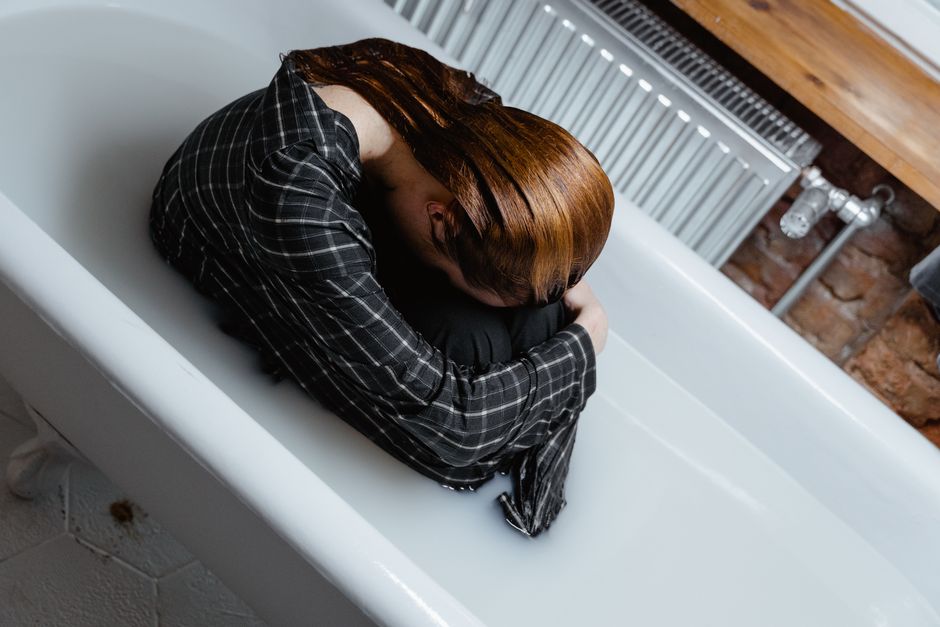
Feeling depressed is not a character flaw, a lack of willpower, or something you can simply snap out of. Depression is a real medical condition with measurable changes in brain chemistry, brain structure, and stress hormone regulation. It can be triggered by genetics, life events, physical illness, medications, or a combination of factors that have nothing to do with being weak. Understanding the actual causes helps you stop blaming yourself and start finding the right kind of help.
What Actually Happens in the Brain During Depression?
Depression involves real, measurable changes in how the brain works. Brain imaging studies have consistently found differences in activity and connectivity in regions that regulate mood, motivation, and stress response. These are not imaginary shifts.
The prefrontal cortex, which handles decision-making and emotional regulation, tends to show reduced activity in people with depression. The hippocampus, a region involved in memory and stress regulation, can shrink with prolonged untreated depression. The amygdala, which processes fear and emotional reactions, often becomes overactive.
Communication between nerve cells also changes. Neurotransmitters like serotonin, norepinephrine, and dopamine play roles in mood regulation. The old idea that depression is simply “low serotonin” is an oversimplification. Current research points to complex disruptions across multiple systems, including inflammation, hormone signaling, and the brain’s ability to form new neural connections.
This matters because it explains why depression is not something you can think your way out of. The brain changes are physical. They are also, in many cases, reversible with treatment.
Why Am I So Depressed? Real Causes Explained
There is rarely one single cause. Depression typically develops from several overlapping factors. Some are biological. Some are environmental. Most people who develop depression have more than one contributing cause.
Genetics and Family History
Depression runs in families. If a parent or sibling has depression, your risk is higher than someone with no family history. Research on twins suggests that genetics account for roughly 30 to 40 percent of the risk. That means most of the risk comes from other factors.
No single “depression gene” has been identified. Instead, many gene variations each contribute a small amount of risk. These genes can influence how your brain processes stress chemicals, regulates mood, and responds to treatment.
Brain Chemistry and Hormones
Hormonal shifts can trigger or worsen depression. Thyroid problems are a well-known example. An underactive thyroid can produce symptoms that look identical to depression, including fatigue, low mood, and difficulty concentrating. This is why thyroid testing is a standard part of a depression workup.
Other hormonal factors include cortisol, the primary stress hormone. Many people with depression show abnormal cortisol patterns. This does not mean stress alone causes depression, but chronic stress does appear to change how the body manages its stress response over time.
Life Events and Chronic Stress
Loss, trauma, abuse, relationship breakdown, job loss, financial strain, and social isolation all increase the risk of depression. These are not excuses. They are documented risk factors supported by decades of research.
Chronic stress is different from a single bad event. When stress persists without relief, it can wear down the body’s stress regulation systems. This appears to make the brain more vulnerable to depression over time.
Early life adversity, including neglect or abuse during childhood, is one of the strongest known risk factors for depression later in life. This does not mean childhood determines your future. It means the brain’s stress systems can be shaped by early experience.
Medical Conditions and Medications
Several medical conditions can cause or contribute to depression:
- Hypothyroidism and other thyroid disorders
- Chronic pain conditions
- Heart disease and stroke
- Diabetes
- Cancer and cancer treatments
- Autoimmune conditions
- Sleep disorders such as sleep apnea
- Vitamin B12 or vitamin D deficiency
Certain medications can also trigger depressive symptoms. These include some blood pressure medications, corticosteroids, hormonal contraceptives, and certain drugs used to treat acne. If you suspect a medication is affecting your mood, talk to your prescribing doctor. Do not stop any medication on your own.
Substance Use and Alcohol
Alcohol is a depressant. Regular heavy drinking can cause or worsen depression. Some people drink to cope with low mood, which creates a cycle that is hard to break. Other drugs, including cannabis and stimulants, can also affect mood regulation.
Is It Depression or Something Else?
Several conditions produce symptoms that look like depression but require different treatment. This is one reason a proper evaluation matters.
| Condition | Key Overlapping Symptoms | What Distinguishes It |
|---|---|---|
| Hypothyroidism | Fatigue, low mood, weight gain, brain fog | Blood test shows abnormal thyroid levels |
| Vitamin B12 deficiency | Fatigue, cognitive problems, low mood | Blood test confirms low B12 |
| Sleep apnea | Daytime fatigue, irritability, poor concentration | Sleep study shows breathing interruptions |
| Bipolar disorder | Depressive episodes | History of manic or hypomanic episodes |
| Grief | Sadness, loss of interest, sleep changes | Typically tied to a specific loss and may ease with time |
Bipolar disorder deserves special mention. People with bipolar disorder experience depressive episodes, but they also have periods of abnormally elevated mood or energy. Treating bipolar depression with standard antidepressants alone can sometimes make things worse. This is why a careful history matters.




What Does Not Cause Depression?
Several common beliefs about depression are not supported by evidence.
Depression is not caused by a chemical imbalance alone. The serotonin hypothesis, which dominated for decades, has been revised. Current research shows depression involves far more than one neurotransmitter.
Depression is not a sign of weakness or a failure of character. It affects people across all levels of achievement, intelligence, and strength.
Depression is not something you can cure by “thinking positive.” Positive thinking can be a helpful tool, but it does not address the underlying biology.
Depression is not always caused by a specific event. Many people develop depression with no obvious trigger. That does not make it less real.
When Should You Get Professional Help?
You should consider professional help if low mood, loss of interest, or other symptoms last more than two weeks and affect your daily life. Depression is diagnosed when symptoms persist for at least two weeks and cause significant distress or impairment.
Seek help sooner if you have thoughts of harming yourself or others. In the US, you can call or text 988 to reach the Suicide and Crisis Lifeline. This is available 24 hours a day.
Treatment for depression is not one-size-fits-all. Options include therapy, medication, lifestyle changes, and procedures like transcranial magnetic stimulation or electroconvulsive therapy for severe cases. What works depends on the type and severity of depression, your medical history, and your preferences.
The most important step is getting an accurate evaluation. A doctor can rule out medical causes, assess for bipolar disorder, and help you find the right treatment path. Depression is treatable. Most people who get appropriate care see meaningful improvement.
Frequently Asked Questions
Can depression happen for no reason?
Yes, depression can develop without an obvious trigger. Genetics, brain chemistry, and hormonal factors can create vulnerability even when life circumstances seem fine.
Is depression caused by a chemical imbalance?
The old “chemical imbalance” explanation is outdated. Current research shows depression involves complex changes in brain circuits, inflammation, stress hormones, and neurotransmitter signaling, not just one chemical.
Can a medical condition make you depressed?
Yes, conditions like hypothyroidism, vitamin deficiencies, sleep apnea, and chronic illness can cause or worsen depression. A doctor can test for these during an evaluation.
How long does depression last without treatment?
Untreated depressive episodes can last months or longer, and some people develop chronic depression. Getting treatment earlier generally improves outcomes.
