
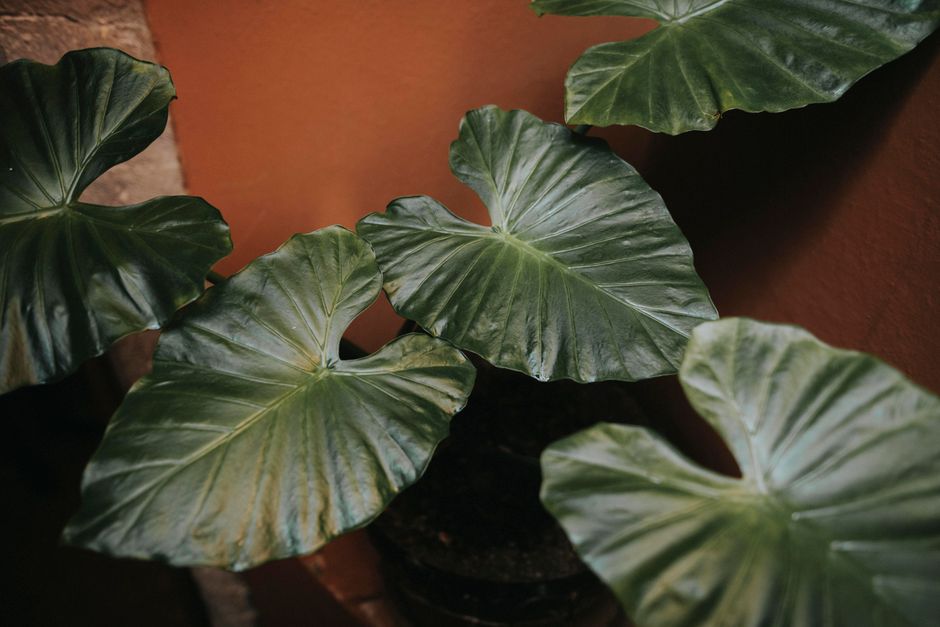
If your Alocasia is drooping, the cause is almost always one of five issues: overwatering, underwatering, low humidity, insufficient light, or temperature stress. These plants are dramatic, and their large leaves make every hydration and environmental mistake obvious. The good news is that most drooping Alocasias recover quickly once you identify the specific problem and correct it.
Why Is My Alocasia Drooping 5 Common Causes? Root Causes
The five common causes of a drooping Alocasia all come down to the plant’s inability to maintain water pressure inside its cells. When a plant loses more water than it takes in, the cells lose turgor pressure, and the leaves go limp. Each of the five causes disrupts that water balance in a different way.
Overwatering and underwatering both interfere with root function. Low humidity pulls moisture out of the leaves faster than the roots can replace it. Insufficient light slows photosynthesis, which reduces the plant’s energy to move water. Temperature stress speeds up water loss or shuts down root activity entirely.
Understanding which one is affecting your plant comes down to reading the soil, the leaves, and the environment together.
Overwatering: The Most Common Mistake
Overwatering is the leading cause of drooping Alocasias, and it is the most dangerous one. When the soil stays wet for too long, the roots cannot get oxygen. Root rot sets in, and damaged roots cannot move water to the leaves. The plant droops even though the soil is wet.
Check the soil before you water. Stick your finger about two inches into the potting mix. If it feels damp or wet, do not water. If the soil is wet and the plant is drooping, you are likely dealing with root rot.
Root rot is serious. You may need to remove the plant from its pot, trim away dark and mushy roots, and repot it in fresh, well-draining soil. Some research indicates that plants with severe root rot may not recover even with treatment. Act quickly if you suspect this cause.
Underwatering: The Easy Fix
Underwatering is the simplest cause to identify and correct. When the soil is dry and the leaves droop, the plant simply needs water. Alocasias prefer consistently moist soil, but not soggy soil. They do not tolerate drying out completely.
When you water a severely dry Alocasia, give it a thorough soak. Water until it runs out of the drainage holes at the bottom of the pot. Then wait until the top inch or two of soil dries out before watering again.
Most Alocasias recover from underwatering within a few hours to a day. If the leaves stay limp after watering, the problem may be something else.
Low Humidity: The Environmental Factor
Alocasias are tropical plants. They come from environments where humidity is high, often above 60 percent. Most indoor homes sit at 30 to 50 percent humidity, especially in winter or in air-conditioned rooms. When humidity is too low, the leaves lose water faster than the roots can absorb it. The result is drooping.
This cause is easy to spot because the leaf edges may also turn brown and crispy. The drooping often appears worse during the day and improves slightly at night when humidity naturally rises.
To raise humidity around your plant, use a humidifier, place the pot on a tray of pebbles with water, or group plants together. Misting provides temporary relief but does not meaningfully change the humidity around the plant for long.
Insufficient Light: The Slow Decline
Alocasias need bright, indirect light. They do not tolerate direct afternoon sun, which can scorch the leaves, but they also struggle in dim corners. Without enough light, photosynthesis slows down. The plant produces less energy, and it cannot actively pump water into its leaves. Over weeks, the plant droops and may lose lower leaves.
Low light is rarely the sudden cause of drooping. It is more often a gradual decline. If your Alocasia has been in a dark spot for a month and is slowly drooping, move it closer to a window with bright, filtered light. An east-facing window or a few feet back from a south or west window works well.
Do not move the plant from a dark corner into direct sun all at once. The sudden change can shock it. Move it gradually over a week or two.
Temperature Stress: The Shock Factor
Alocasias prefer temperatures between 65 and 80 degrees Fahrenheit. They are not cold hardy. Sudden temperature drops, cold drafts from windows or air conditioning vents, and heat from radiators can all cause drooping.
Cold stress is particularly damaging. When temperatures fall below 60 degrees Fahrenheit, the plant’s metabolic processes slow dramatically. Roots stop taking up water, and the leaves go limp. Prolonged cold exposure can cause permanent damage.
Check where your plant sits. If it is near a drafty window, an exterior door, or a heating vent, move it to a more stable location. Keep it away from appliances that generate heat.
How to Diagnose the Exact Cause
You can narrow down the cause by looking at the soil moisture and the pattern of drooping.
- Wet soil plus drooping: Overwatering or root rot.
- Dry soil plus drooping: Underwatering.
- Moist soil, crispy leaf edges, drooping: Low humidity.
- Slow decline in a dark room: Insufficient light.
- Sudden droop after a temperature change: Temperature stress.
If the soil is moist but not wet, and the environment seems fine, check the roots. Gently slide the plant out of its pot. Healthy roots are firm and white or light tan. Rotten roots are brown, black, mushy, and may smell bad.
One non-obvious point: Alocasias naturally drop older leaves. If only the bottom leaves are drooping and yellowing while the top leaves look healthy, your plant may simply be shedding old growth. This is normal, especially during fall and winter.
How to Prevent Drooping in the Future
Prevention comes down to consistency. Water only when the top inch or two of soil is dry. Use a pot with drainage holes so excess water can escape. Place the plant in bright, indirect light. Keep it away from drafts and heating vents. Maintain humidity above 50 percent if possible.
Also consider the pot size. A pot that is too large holds too much wet soil, which increases the risk of overwatering. A pot that is too small dries out quickly and can cause underwatering. Repot only when the roots have filled the current pot.
Check your plant weekly. Run your finger through the soil, look at the leaves, and notice any changes. Early detection makes recovery much easier.
If you correct the issue and the plant does not recover within a week or two, the root system may be too damaged. Some Alocasias bounce back from root rot if enough healthy roots remain. Others do not survive. If the plant continues to decline, you may be able to propagate a healthy leaf or corm to start a new plant.
Frequently Asked Questions
Should I water my Alocasia if the leaves are drooping?
Check the soil first. If the top two inches are dry, water thoroughly. If the soil is wet, do not water, because the problem may be overwatering.
How long does it take for an Alocasia to recover from drooping?
Recovery depends on the cause. Underwatered plants often perk up within hours. Overwatered plants may take weeks to recover, and some never fully bounce back if root rot is severe.
Can a drooping Alocasia recover from root rot?
It can, but only if enough healthy roots remain. Remove the rotten roots, repot in fresh soil, and reduce watering. The plant will need time and consistent care to recover.
Why is my Alocasia drooping after repotting?
Transplant shock is common after repotting. The roots need time to adjust to the new soil. Keep the soil lightly moist, provide bright indirect light, and avoid fertilizing for at least a month.
