
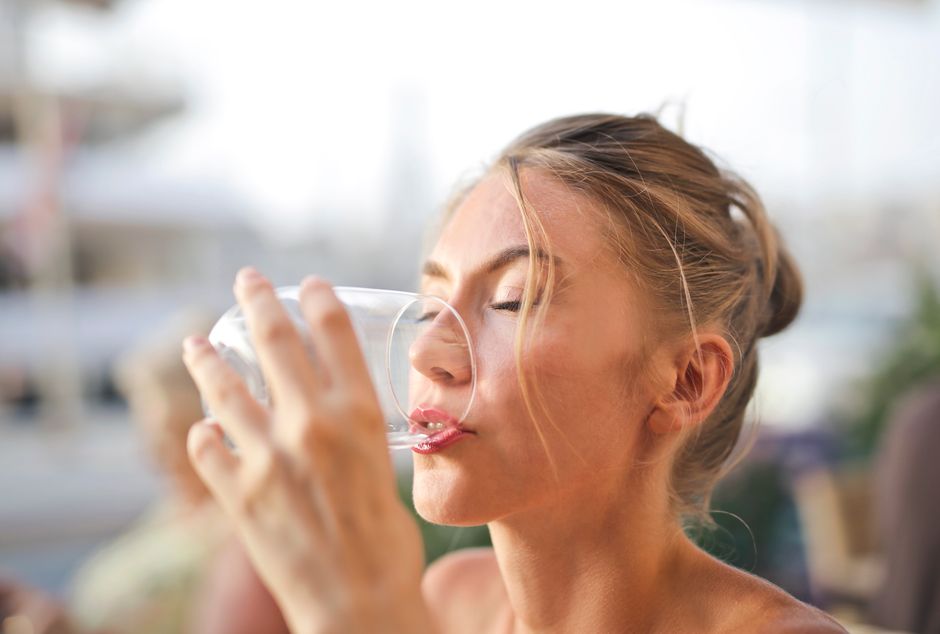
You pour a glass of wine or crack open a beer, and within a few sips, your stomach feels different. Food loses its appeal. The thought of a snack or a meal seems uninteresting, even slightly off-putting. This is a common experience, and it happens for specific biological reasons. Alcohol directly interrupts the signals your brain and body use to regulate hunger. The effect is not imaginary, and it is not just about the calories in the drink itself. Alcohol changes how your body processes fuel and how your brain interprets the need for food.
Why Am I Not Hungry After Drinking Alcohol?
Alcohol suppresses your appetite because it alters blood sugar levels and directly impacts the hormones that control hunger. When you drink, your liver prioritizes breaking down alcohol over managing glucose. This shift can cause a temporary rise in blood sugar, which signals to your brain that you have energy available, reducing the urge to eat.
This is a short-term effect. The feeling of fullness or lack of hunger often passes as your blood sugar levels fluctuate. The initial suppression is a direct chemical response, not a psychological one. Your body is essentially pausing the hunger signal because it is busy processing a toxin and sees a temporary energy spike.
How Alcohol Changes Your Blood Sugar
Your liver is the main organ responsible for regulating blood sugar. It stores glucose and releases it when your body needs energy. When alcohol enters your system, the liver treats it as a priority. It stops releasing stored glucose to focus on breaking down the alcohol.
The result is a sequence of events. First, your blood sugar may rise slightly because alcohol is converted into sugar quickly. This spike tells your pancreas to release insulin. Insulin helps move sugar out of the blood and into cells. This rapid processing can lead to a drop in blood sugar shortly after.
This drop is a key part of why you feel hungry later, often after you stop drinking. The initial lack of hunger is linked to the early blood sugar spike. The late-night craving for carbs is linked to the subsequent drop. The hormone insulin and the liver’s workload create a pattern that suppresses appetite first and stimulates it later.
The Role of Hunger Hormones: Ghrelin and Leptin
Hunger is controlled by a complex system of hormones. Ghrelin is the “hunger hormone.” It is produced mainly in the stomach and signals the brain when it is time to eat. Leptin is the “fullness hormone.” It is released by fat cells and tells the brain that you have enough energy stored.
Alcohol disrupts both of these signals. Research consistently shows that alcohol intake reduces the secretion of ghrelin. Lower ghrelin levels mean fewer hunger signals reaching your brain. This is a direct chemical suppression of the desire to eat.
At the same time, alcohol can influence how leptin signals are processed. The balance between these two hormones is shifted. The result is that your brain receives a “not hungry” message even if your stomach is empty. This effect is measurable and well-documented in clinical studies. It is not a matter of willpower; it is a biochemical change.





Alcohol and the Brain’s Reward Center
Your brain has a reward system that influences both eating and drinking. Alcohol stimulates the release of dopamine, a neurotransmitter associated with pleasure and reward. This release creates a feeling of satisfaction.
Food also triggers dopamine release, but alcohol can override this pathway. When alcohol provides a strong reward signal, the brain may reduce its interest in other rewards, including food. The neural circuits that drive you to seek a meal are less active when the alcohol reward is present.
This explains why you might choose a drink over a snack. It is not that food tastes bad. It is that the brain is already receiving a strong pleasure signal from alcohol. The appetite drive is simply not competing well against that signal. This effect can be stronger in some people than others, depending on individual brain chemistry.
Why You Get Hungry Later: The Rebound Effect
The lack of hunger you feel while drinking does not last. Many people experience intense hunger later, often the next day or late at night after the alcohol has worn off. This happens because of the blood sugar drop mentioned earlier.
When the liver finishes processing the alcohol, it resumes its normal function of releasing glucose. But the insulin spike from earlier may have caused your blood sugar to dip below normal. This low blood sugar triggers a strong hunger signal, especially for carbohydrates.
This rebound hunger is also linked to changes in ghrelin levels. Once alcohol is no longer suppressing ghrelin, the hormone can surge. This surge creates a powerful urge to eat, often for high-calorie, starchy foods. This pattern explains why drinking is often associated with late-night snacking or a heavy meal the next morning.
Does the Type of Alcohol Matter?
The type of alcohol you drink can influence the degree of appetite suppression. Drinks with higher alcohol content, such as spirits, tend to have a more pronounced effect on blood sugar and hormones. Beer and wine contain carbohydrates and other nutrients that can slightly alter the response.
Mixed drinks that contain sugary mixers can cause a larger blood sugar spike and a more significant crash. This can lead to a more intense hunger rebound later. The alcohol itself is the primary driver of appetite suppression, but the other ingredients in a drink can modify the overall effect.
There is no evidence that one type of alcohol completely avoids this effect. Any drink that contains ethanol will trigger the liver’s priority response and influence hunger hormones. The differences between beer, wine, and spirits are matters of degree, not kind.
What This Means for Your Eating Habits
Understanding this mechanism can help you manage your eating around alcohol. If you know you will not feel hungry while drinking, you can plan to eat a balanced meal before you start. This ensures your body has nutrients and reduces the risk of overeating later.
Eating before drinking also slows the absorption of alcohol. Food in your stomach delays the passage of alcohol into your small intestine, where most of it is absorbed. This can reduce the peak blood alcohol concentration and lessen some of the metabolic disruption.
If you find yourself ravenously hungry after drinking, recognize that this is a biological response to blood sugar fluctuations. Choosing a snack that combines protein and complex carbohydrates can help stabilize your blood sugar more effectively than a sugary or refined-carb option.
Is It a Sign of a Problem?
Occasional loss of appetite while drinking is normal. It is a direct physiological response to alcohol. However, if you consistently skip meals because of drinking, or if alcohol is replacing food in your daily routine, that is a concern.
Chronic heavy drinking can lead to nutritional deficiencies. Alcohol provides calories but no essential nutrients. If alcohol suppresses your appetite regularly, you may not be getting enough vitamins, minerals, and protein. Over time, this can affect your immune system, muscle mass, and overall health.
If you are concerned about your appetite or your drinking patterns, talk to a healthcare provider. They can help you understand whether your habits are within a healthy range or whether you need support. This is not about judgment; it is about making sure your body gets what it needs.
Frequently Asked Questions
Why do I feel full after one drink?
Alcohol causes your liver to release sugar into your bloodstream, which signals to your brain that you have energy and suppresses the hunger hormone ghrelin. This creates a temporary feeling of fullness.
Is it bad to not eat while drinking?
Skipping a meal occasionally while drinking is not harmful, but it can lead to low blood sugar and intense hunger later. Regular meal skipping due to alcohol can cause nutritional deficiencies over time.
Why do I crave carbs the morning after drinking?
The morning-after carb craving is your body responding to low blood sugar and a rebound surge in the hunger hormone ghrelin. Your brain is asking for quick energy to restore balance.
Does drinking on an empty stomach make you more drunk?
Yes, drinking on an empty stomach leads to faster alcohol absorption into your bloodstream. Food slows this absorption, which is why eating before drinking is recommended.
