
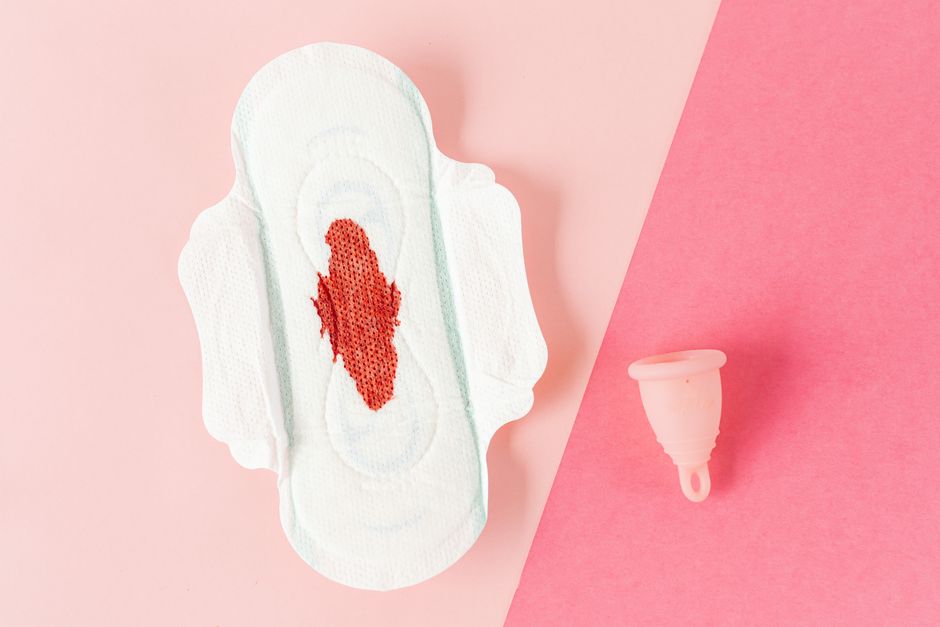
If you are on hormonal birth control and your period has stopped, you are not necessarily pregnant and you are not broken. Many hormonal methods work partly by thinning the uterine lining, so there may be little or nothing to shed each month. That is a known and expected effect for methods like the pill, the shot, the implant, and hormonal IUDs. What matters is knowing which method you use, how long you have been on it, and whether anything else has changed.
Why Am I Not Getting My Period On Birth Control?
Hormonal birth control prevents pregnancy mainly by stopping ovulation. It also changes the lining of the uterus, called the endometrium, so it stays thin. A thin lining produces little or no blood to shed. When there is nothing to shed, there is no bleed.
This is the core reason most people miss periods on hormonal contraception. It is not a sign that something has gone wrong. It is the method doing exactly what it is designed to do.
Two hormones do most of this work. Progestin, a synthetic form of progesterone, is the key player in nearly every hormonal method. It thickens cervical mucus, thins the uterine lining, and in many methods suppresses ovulation. Estrogen, when present, helps stabilize the cycle and control breakthrough bleeding. Methods without estrogen, like the progestin-only pill, the implant, and the hormonal IUD, tend to thin the lining even more.
How much your bleeding changes depends on the method. Combined pills often produce a lighter, shorter withdrawal bleed. The hormonal IUD and the implant frequently stop bleeding altogether after the first year. The shot commonly leads to no bleeding over time. This range is normal. It reflects differences in hormone dose and delivery, not differences in how well the method works.
Which Birth Control Methods Are Most Likely to Stop Your Period?
Some methods are far more likely to eliminate bleeding than others. The pattern is consistent across large groups of users, though any individual can respond differently.
- Hormonal IUD: Bleeding often decreases over the first 3 to 6 months and many users have little or no bleeding after a year. This is one of the most common methods to stop periods.
- Contraceptive implant: Irregular bleeding is common at first. Over time, a large share of users stop bleeding entirely.
- Depot medroxyprogesterone shot: Bleeding often becomes irregular, then stops. Many users have no bleeding after the first year.
- Combined pill: Usually produces a lighter withdrawal bleed. Some users bleed very little or not at all, especially with continuous or extended-cycle use.
- Progestin-only pill: Bleeding patterns vary widely. Some users bleed less, some bleed more, and some stop.
- Vaginal ring and patch: Similar to the combined pill. Withdrawal bleeds are usually lighter.
The key point is that the method itself, not a problem with your body, is the most common reason for a missing period on birth control.
What Is the Difference Between a Withdrawal Bleed and a Real Period?
On most combined hormonal methods, the bleeding you get during the placebo week is not a true menstrual period. It is a withdrawal bleed. It happens because hormone levels drop when you take the placebo pills or the hormone-free days. That drop triggers the lining to shed.
A true period follows ovulation. A withdrawal bleed does not. On hormonal birth control, ovulation is usually suppressed, so the bleed is a response to hormone withdrawal, not to a natural cycle.
This distinction matters for two reasons. First, a very light or absent withdrawal bleed is not automatically a warning sign. Second, if you use a method that stops ovulation entirely, there may be no bleed at all, and that can be normal.
One clarification worth knowing: even on the pill, the bleed does not confirm you are not pregnant. A missed withdrawal bleed can happen for many reasons, and pregnancy is only one of them. If pregnancy is possible, a test is the only reliable way to know.





Could You Be Pregnant Even If You Are on Birth Control?
No method is 100 percent effective with typical use. If you have missed a pill, been late with a shot, or had a method removed or expelled, pregnancy is possible. A missed period or withdrawal bleed can be an early sign.
If pregnancy is a possibility, take a home pregnancy test. Tests are most reliable after a missed period. If the result is negative but symptoms continue, repeat the test or contact a clinician.
Certain symptoms warrant prompt attention regardless of the test result. Seek medical care for severe one-sided pelvic pain, heavy bleeding, dizziness, or fainting. These can signal an ectopic pregnancy, which is a medical emergency. This is rare, but it is not something to wait out.
What Else Can Cause a Missing Period on Birth Control?
Birth control is the most likely cause, but it is not the only one. Other factors can stop periods or make them irregular, and they can overlap with contraception.
- Pregnancy: The most important cause to rule out if there is any chance of it.
- Low body weight or low body fat: Can disrupt hormone signaling and stop ovulation and periods.
- Intense exercise: High training loads can suppress the menstrual cycle.
- Significant stress: Can affect the hormones that regulate the cycle.
- Thyroid problems: Both an underactive and an overactive thyroid can change bleeding patterns.
- High prolactin levels: Can interfere with normal cycling.
- Perimenopause: Cycles become irregular and eventually stop, typically in the mid-40s to mid-50s.
- Certain medications: Some drugs can affect bleeding or hormone levels.
If you have been on the same method for a while and your bleeding pattern changes for no clear reason, that is worth a conversation with a clinician. A change in pattern can be more meaningful than the absence of a period itself.
When Should You Talk to a Doctor About a Missing Period?
Many people never need to do anything about a missing period on birth control. If you feel well and pregnancy is not possible, it may simply be the method working as intended.
Contact a clinician if any of the following apply:
- You might be pregnant, or a pregnancy test is positive.
- You have severe pelvic pain, especially on one side.
- You have heavy bleeding, dizziness, or fainting.
- You have been on the method for several months and develop new, unusual symptoms.
- You have stopped the method and your periods have not returned after a reasonable time.
- You are concerned for any reason.
After stopping hormonal birth control, it can take time for cycles to return. Some people resume regular periods within a month or two. Others take longer, particularly after the shot, which can delay return of fertility for several months. If periods have not returned after a few months off the method, it is reasonable to check in with a clinician.
Is It Safe to Not Have a Period on Birth Control?
For most people on hormonal contraception, having no monthly bleed is not harmful. The lining is thin, and there is no buildup that needs to be released. This is a common misunderstanding. The idea that a monthly bleed is necessary for health is not supported by the evidence for people on hormonal methods.
That said, “safe” depends on the individual. Some people should not use estrogen-containing methods, including those with certain clotting disorders, a history of blood clots, certain migraines with aura, or specific liver conditions. This is a decision for a clinician who knows your history.
If you are unsure whether your bleeding pattern is normal for your method, ask. A clinician can review your method, your history, and any symptoms. In most cases, the answer is reassuring. When it is not, the right tests can find out why.
Frequently Asked Questions
Is it normal to not get your period on birth control?
Yes, it can be normal. Many hormonal methods thin the uterine lining, so there may be little or nothing to shed each month.
Does not having a period on birth control mean you are pregnant?
Not necessarily. A missing period is common on many methods, but pregnancy is still possible if the method was used incorrectly or failed. Take a pregnancy test if there is any chance you could be pregnant.
Which birth control is most likely to stop your period?
The hormonal IUD, the implant, and the shot are the methods most likely to stop bleeding over time. The combined pill usually just makes bleeds lighter.
Can birth control stop your period forever?
No, not permanently. Once you stop the method, your cycle usually returns, though it can take several months, especially after the shot.
