
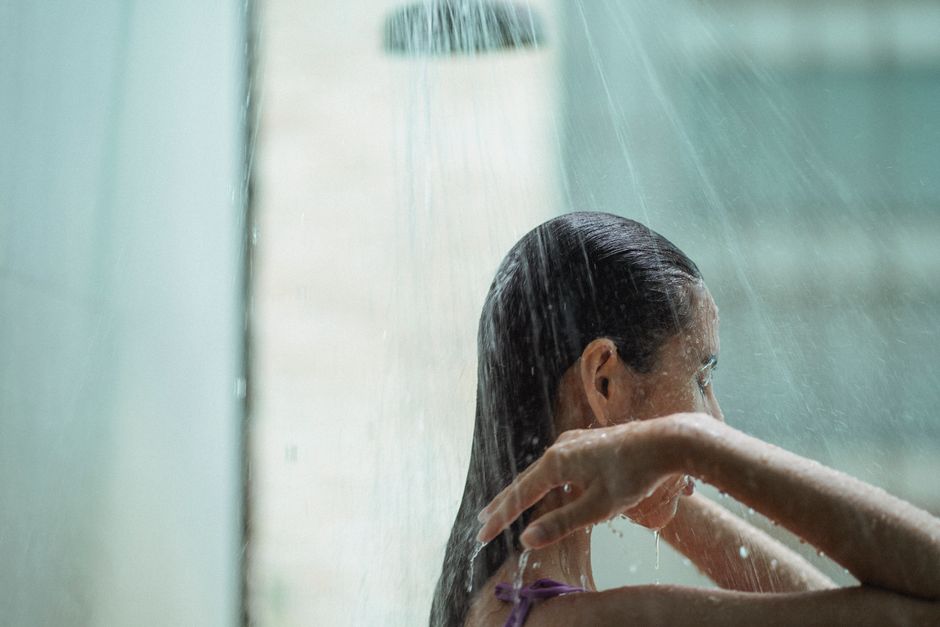
Itching right after a shower is a common problem. The water touches your skin, and within minutes, the urge to scratch begins. For most people, this is a reaction of the skin to the shower itself, not a sign of poor hygiene. The cause usually comes down to how your skin loses moisture and reacts to heat, water temperature, or the products you use. In some cases, the itch points to an underlying skin condition that needs attention.
What Causes Itching After a Shower?
Showering strips your skin of its natural oils. These oils act as a barrier that locks in moisture. When hot water and soap remove them, the skin dries out quickly. Dry skin feels tight and itchy, especially as the water evaporates from your skin after you step out.
The temperature of the water matters. Hot water opens your pores and increases blood flow near the skin’s surface. This can trigger nerve endings that sense itch. For some people, this warmth alone is enough to cause a prickly, itchy feeling.
Another factor is the hardness of your water. Hard water contains high levels of calcium and magnesium. These minerals can leave a residue on your skin that irritates sensitive areas. Some research suggests that hard water weakens the skin’s natural barrier, making it easier for irritants to enter.
Why Does My Skin Itch After a Hot Shower?
Hot showers are the most common trigger for post-shower itching. The heat causes blood vessels in the skin to widen. This increased blood flow can trigger a release of histamine, a chemical your body produces during allergic reactions. Histamine causes itching and redness.
This reaction is often called aquagenic pruritus. The name sounds complex, but it simply means itching caused by contact with water. It usually starts within minutes of getting out of the shower and can last up to an hour. The skin may look completely normal, with no rash or bumps.
If you experience intense itching after every hot shower without any visible rash, you should mention it to a doctor. In rare cases, this type of itching can be a symptom of an underlying condition such as polycythemia vera, a blood disorder that causes the body to make too many red blood cells. This condition is uncommon, but a doctor can rule it out with a simple blood test.
Dry Skin and the Shower Connection
Dry skin, medically known as xerosis, is the most common reason for post-shower itch. Your skin produces natural oils called sebum. Sebum keeps the skin hydrated and protects it from irritants. Soap and hot water dissolve these oils, leaving the skin exposed.
When the skin loses moisture, it becomes less flexible. The outer layer develops microscopic cracks. These cracks allow water to escape and irritants to enter. The nerve endings in the skin become more sensitive, and the result is an itchy, sometimes flaky feeling.
The problem gets worse in winter. Cold air holds less moisture, and indoor heating dries the air further. If you already have naturally dry skin, a long hot shower in winter can leave you scratching for hours afterward.




Can Soap and Shampoo Cause the Itching?
Yes. The products you use in the shower can be the direct cause of your itching. Soaps, body washes, and shampoos contain detergents called surfactants. These ingredients create lather and remove dirt, but they also strip away the skin’s protective oils.
Fragrances are a common culprit. Synthetic fragrances can irritate sensitive skin or trigger an allergic reaction. If your skin develops a red, bumpy rash where the product touched it, you may have contact dermatitis. This is a localized allergic reaction to an ingredient in the product.
Some people react to preservatives in liquid soaps, such as methylisothiazolinone. Others react to sodium lauryl sulfate, a foaming agent that can be harsh on the skin. Switching to a fragrance-free, gentle cleanser labeled for sensitive skin often resolves the problem.
When Itching Signals a Skin Condition
Sometimes the itching is not just from the shower. The shower simply triggers or worsens an underlying condition. Eczema, also called atopic dermatitis, is one of the most common. People with eczema have a weakened skin barrier. Water and soap strip away what little protection they have, leading to intense itching and flare-ups.
Psoriasis is another possibility. This condition causes the skin to produce new cells too quickly, leading to thick, scaly patches. Heat and water can irritate these patches. The itching from psoriasis is often more persistent than the temporary itch from dry skin.
Cholinergic urticaria is a less common condition where heat itself triggers hives. Small, itchy bumps appear on the skin within minutes of a hot shower. The bumps usually fade within an hour. This condition is caused by a sensitivity to your own body heat, not by the water itself.
If your itching comes with a visible rash that does not go away, or if the itching is severe enough to disrupt your sleep, see a dermatologist. They can identify the specific condition and recommend appropriate treatment.
How to Stop the Itching After a Shower
Simple changes to your shower routine can make a significant difference. These are practical steps that dermatologists commonly recommend.
- Use lukewarm water instead of hot. Warm water cleans just as well without stripping as many oils from your skin.
- Limit your shower to 5-10 minutes. The longer you are in the water, the more moisture your skin loses.
- Choose a gentle, fragrance-free cleanser. Look for products labeled “for sensitive skin” or “fragrance-free.” Avoid antibacterial soaps, which are especially drying.
- Pat your skin dry with a towel. Do not rub. Rubbing removes more moisture and irritates the skin.
- Apply moisturizer within 3 minutes of drying. This is the critical window when your skin is still damp and can absorb the moisturizer most effectively.
- Use a thick cream or ointment, not a lotion. Creams and ointments contain more oil and provide a stronger barrier against moisture loss.
For the moisturizer, look for products containing ceramides, glycerin, or hyaluronic acid. These ingredients help restore the skin’s natural barrier. Apply it generously to all areas that itch, especially your legs, arms, and torso.
When to See a Doctor About Post-Shower Itching
Occasional itching after a hot shower is usually not a cause for concern. You can manage it with moisturizer and cooler water. But some signs warrant a medical evaluation.
See a doctor if the itching is severe, lasts more than a few hours, or happens after every shower regardless of water temperature. Also seek medical advice if you develop a rash, hives, or blisters that do not fade quickly. Itching that keeps you up at night or interferes with your daily life deserves attention.
If you have diabetes or kidney disease, talk to your doctor about persistent itching. These conditions can cause dry, itchy skin independent of your shower habits. Your doctor can help you manage the underlying condition and recommend appropriate skin care.
Focus Keyphrase: Why Am I Itchy After Showering
The answer to why you are itchy after showering usually comes down to moisture loss, water temperature, or product sensitivity. Your skin’s natural oils are removed during the shower, and the water evaporating from your skin leaves it dry and irritated. Hot water amplifies the effect by increasing blood flow and triggering histamine release.
For most people, the fix is simple: cooler water, shorter showers, and immediate moisturizing. If the itching persists despite these changes, or if you see a rash, consult a dermatologist. They can determine whether you have an underlying skin condition that requires specific treatment.
Frequently Asked Questions
Why do I get itchy after showering but have no rash?
This is often dry skin or a condition called aquagenic pruritus, where water contact triggers nerve endings that cause itching. The skin may look normal because the reaction happens beneath the surface.
Does hot water make itching worse?
Yes, hot water strips more natural oils from your skin and increases blood flow, which can trigger histamine release. Switching to lukewarm water often reduces the itching.
Can hard water cause itching after a shower?
Some evidence suggests that the minerals in hard water can irritate skin and weaken its natural barrier. If you suspect hard water, a shower filter may help reduce the irritation.
What is the best moisturizer to use after showering?
Thick creams or ointments containing ceramides, glycerin, or hyaluronic acid work best. Apply within 3 minutes of drying while your skin is still slightly damp.
