
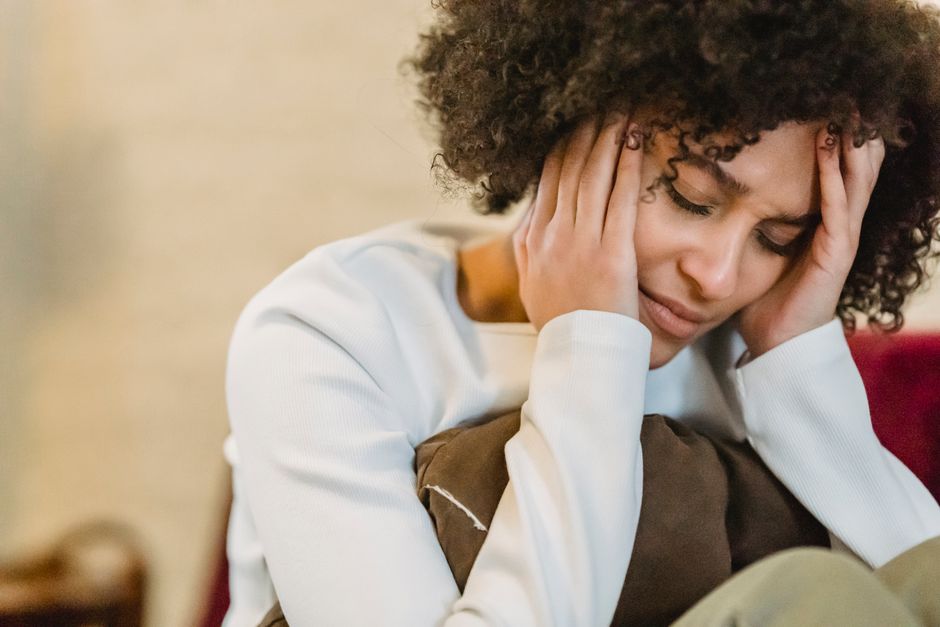
If you had Covid and your memory still feels foggy weeks or months later, you are not imagining it. Memory problems are one of the most commonly reported symptoms after a Covid infection, and they can happen even after a mild case. The most likely explanation is that the illness affected how your brain gets energy and how well your nerve cells communicate — not that the virus destroyed your memory centers. For most people, these problems ease over time, but the timeline varies widely and some people recover more slowly than others.
What Does Covid Brain Fog Actually Feel Like?
People describe it in different ways, but certain patterns come up again and again. You might walk into a room and forget why. You might lose the thread of a conversation mid-sentence. Names, appointments, and where you put your keys become harder to hold onto.
This is often called “brain fog,” a term doctors use to describe slowed thinking, poor concentration, and trouble with short-term memory. It is not a formal diagnosis. It is a cluster of symptoms that can show up after many illnesses, not just Covid.
Some people also notice they feel mentally tired faster than before. Reading a page and realizing you absorbed none of it. Needing to re-read emails. Struggling to follow a plot in a show you would normally track easily.
What makes post-Covid memory problems distinct is the timing. They tend to appear during or shortly after the infection and can linger even when other symptoms like cough or fever are long gone. They can also fluctuate — better some days, worse on others.
Why Am I Having Memory Problems After Covid?
The virus does not appear to directly destroy memory-forming brain cells in most people. Instead, the leading explanations involve indirect effects — inflammation, reduced blood flow, and disrupted energy supply to brain cells.
Here is what researchers currently understand:
- Inflammation: Covid triggers a strong immune response. Inflammatory signals that help fight the virus can also affect the brain. This is sometimes called neuroinflammation, and it can interfere with how neurons communicate.
- Blood flow changes: Some studies have found reduced blood flow to certain brain regions after Covid. Less blood flow means less oxygen and glucose reaching those areas.
- Microclots: Small blood clots have been found in some people after Covid. If these form in tiny vessels in the brain, they could reduce circulation.
- Mitochondrial effects: Mitochondria are the energy factories inside cells. Some research suggests the virus can affect mitochondrial function, leaving brain cells with less energy to work properly.
- Immune system overactivity: An immune system that stays switched on longer than needed may keep the brain in a low-grade inflammatory state.
No single mechanism explains every case. It is likely a combination, and the mix may differ from person to person.
Is This Different From Normal Age-Related Memory Loss?
Yes, in important ways. Normal age-related memory changes tend to be gradual and mild. You might forget where you parked, then retrace your steps and find the car. Post-Covid memory problems often feel more sudden and more disruptive.
Another difference is that post-Covid cognitive symptoms frequently come with fatigue, sleep problems, or difficulty concentrating. Age-related memory loss usually does not come with that cluster.
That said, the two can overlap. If you are in your 50s or 60s and had Covid, it can be hard to tell what is from the infection and what is from normal aging. A doctor can help sort that out with cognitive testing if needed.





How Long Do Memory Problems Last After Covid?
For many people, cognitive symptoms improve within weeks to a few months. Some recover faster. Others take longer.
Research on long Covid suggests a subset of people continue to have memory and concentration problems for six months or more after the initial infection. The exact percentage is hard to pin down because studies use different definitions and look at different groups of people.
What is clear is that recovery is not always linear. You might have a good stretch, then a bad week. That pattern is common and does not necessarily mean you are getting worse.
Factors that may affect recovery time include the severity of the initial infection, whether you had pre-existing conditions, your sleep quality, and your overall health. But even people who had mild cases can have lingering symptoms.
What Helps Memory Problems After Covid?
There is no medication approved specifically for post-Covid memory problems. What helps most people is addressing the factors that support brain function in general.
Sleep is the foundation. Memory consolidation happens during sleep. If you are not sleeping well, your memory will suffer regardless of what else you do. If Covid disrupted your sleep, that alone could explain a lot of the fog.
Gradual activity matters, but pacing is key. Some people find that pushing too hard mentally or physically makes symptoms worse. This is sometimes called post-exertional malaise, and it is common in long Covid. Rest is not laziness — it is part of recovery.
Hydration and nutrition support brain function. Dehydration and poor blood sugar control both affect thinking. This is not a cure, but it removes obstacles.
Mental strategies can help in the short term. Writing things down, using reminders, and breaking tasks into smaller steps reduces the load on your memory while it recovers.
Some clinicians recommend cognitive rehabilitation for people with persistent problems. This is a structured approach to rebuilding thinking skills. Evidence for its effectiveness after Covid is still limited, but it is widely used and generally safe.
When Should I Be Concerned About Memory Problems After Covid?
Memory problems after Covid are usually temporary and improve. But some signs warrant a medical evaluation.
See a doctor if:
- Your memory problems are getting worse instead of better
- You get lost in familiar places
- You have trouble with basic tasks you have done many times
- You notice personality changes or confusion that others point out
- You have new weakness, numbness, or trouble speaking
These symptoms could have causes other than Covid, including thyroid problems, vitamin deficiencies, sleep disorders, depression, or other conditions. A doctor can check for those.
It is also worth noting that anxiety and depression are common after Covid. Both can affect memory and concentration. Treating those can improve cognitive symptoms.
Can Covid Cause Long-Term Memory Loss?
For most people, no. The evidence so far suggests that memory problems after Covid are usually temporary, even if they last months.
That said, some research has found measurable differences in cognitive test scores in people who had Covid compared to those who did not. The size of these differences varies, and it is not clear whether they persist long-term or resolve.
What is clear is that severe Covid — the kind that requires hospitalization — is associated with a higher risk of lasting cognitive problems. This is not unique to Covid. Severe illness of any kind, especially with ICU stays, can affect brain function.
For mild cases, the outlook is generally better. Most people recover their cognitive function over time.
What Does Not Help — And What to Avoid
There is no supplement proven to reverse post-Covid memory problems. Some products are marketed for “brain fog” or “cognitive support” after Covid. No large human trials have confirmed these work.
Similarly, no diet or detox has been shown to clear Covid-related brain fog. Claims about “flushing out the virus” or “repairing the brain” are not supported by evidence.
If you see a product claiming to cure or treat post-Covid cognitive symptoms, be skeptical. The absence of evidence is not proof it works — it is proof we do not know.
What does help is time, rest, sleep, and addressing any underlying issues with your doctor. That is not exciting, but it is honest.
Frequently Asked Questions
How long does Covid brain fog usually last?
Most people notice improvement within weeks to a few months. Some continue to have symptoms for six months or longer, especially after severe illness.
Can Covid cause permanent memory loss?
For most people, memory problems after Covid are temporary. Severe cases requiring hospitalization are linked to a higher risk of lasting cognitive effects, but this is not the same as permanent memory loss for everyone.
Does brain fog after Covid go away on its own?
In many cases, yes. Recovery is common, but the timeline varies. If symptoms are not improving or are getting worse, see a doctor.
What vitamin helps with memory after Covid?
No vitamin has been proven to reverse post-Covid memory problems. Correcting a deficiency — such as low B12 or vitamin D — can help if one exists, but taking extra without a deficiency has not been shown to help.
