
Losing your sense of smell can be unsettling. For most people, it returns on its own within a few weeks as the underlying cause resolves. The most effective way to regain your sense of smell is to treat the root cause, whether that is a viral infection, nasal blockage, or a neurological issue. For persistent cases, a structured smell training program using essential oils is the most evidence-backed approach.
What Causes Loss of Smell?
Understanding why you lost your sense of smell is the first step. Different causes require different approaches. The two main categories are conductive loss and sensorineural loss.
Conductive loss happens when smell molecules cannot reach the olfactory receptors high in your nose. This is usually due to swelling, congestion, or physical blockage. Common culprits include colds, allergies, sinus infections, nasal polyps, or a deviated septum.
Sensorineural loss occurs when the olfactory nerve itself is damaged. This is what happens with viral infections, including COVID-19, head injuries, and some neurological conditions. The nerve tissue is damaged and needs time to repair. Age-related decline also falls into this category.
How Long Does It Take To Get Your Smell Back?
The timeline depends entirely on the cause. For a common cold, smell typically returns within one to two weeks as congestion clears. For viral infections like COVID-19, the timeline varies significantly.
Research indicates that most people regain their smell within three months of a viral infection. However, some studies suggest that a small percentage of people experience persistent loss lasting longer than six months. In those cases, active intervention like smell training becomes important.
If your smell loss is caused by nasal polyps or chronic sinusitis, it will not improve until those conditions are treated. If it is caused by head trauma, recovery is less predictable and may take many months. Some people never fully recover after nerve damage from injury.
How To Gain Your Sense Of Smell Back With Smell Training
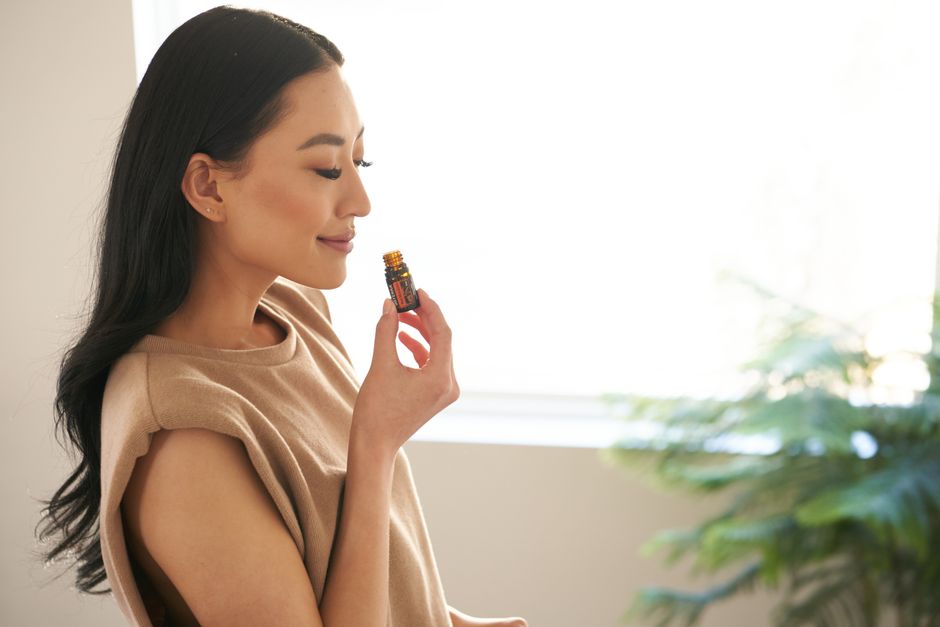
Smell training is the most widely studied method for regaining your sense of smell. It is also called olfactory training. The technique involves exposing yourself to specific scents repeatedly over time to stimulate nerve regeneration.
The standard protocol uses four scents: rose, lemon, clove, and eucalyptus. These are chosen because they represent different odor categories. You smell each one for about 20 seconds while focusing intently on the scent. You do this twice daily for at least 12 weeks.
When you smell each scent, try to recall what it should smell like. Concentrating on the memory of the scent appears to strengthen the neural pathways. Some clinicians recommend using stronger concentrations of the oils for people with reduced sensitivity.
Evidence for smell training is promising but not guaranteed. Some studies show significant improvement, while others show modest benefit. The strongest results appear in people who train consistently for several months. It is a low-risk intervention with no known side effects.
You can purchase essential oils specifically marketed for smell training. Alternatively, you can use whole spices or fresh items like ground coffee, cinnamon sticks, or citrus peels. The key is consistency, not the brand of oil.





Can Medications Help Restore Your Sense of Smell?
For conductive loss, medications that reduce inflammation can help. If allergies or sinusitis are blocking your nasal passages, steroid nasal sprays may restore airflow and allow smell molecules to reach the receptors.
Oral corticosteroids are sometimes prescribed for short courses in cases of severe nasal polyps. These are not a long-term solution and carry side effects. They should only be used under a doctor’s supervision.
For sensorineural loss, there is no medication proven to restore smell. Some clinicians have experimented with vitamin A nasal drops and other supplements. The evidence is limited and mixed. No large clinical trials have confirmed that any supplement reliably restores smell after nerve damage.
Be cautious with unregulated products claiming to cure smell loss. No study has confirmed that over-the-counter sprays, herbs, or supplements can repair olfactory nerve damage. If a product sounds too good to be true, it likely is.
When To See a Doctor About Smell Loss
Most cases of smell loss resolve without medical intervention. However, you should seek medical evaluation in certain situations. If you lose your smell after a head injury, see a doctor promptly. This can indicate nerve damage that may benefit from early assessment.
If your smell loss persists beyond several weeks with no improvement, schedule an appointment. A doctor can examine your nasal passages for polyps or structural issues. They may refer you to an ear, nose, and throat specialist for further testing.
Sudden loss of smell without any nasal congestion is worth evaluating. While viral infections are the most common cause, other conditions need to be ruled out. Your doctor can help determine whether imaging or additional testing is needed.
If you have no other symptoms and your smell returns within a few weeks, you generally do not need medical care. The main concern is when loss persists or is accompanied by other neurological symptoms.
Does COVID-19 Smell Loss Differ From Other Causes?
COVID-19 smell loss has some unique features compared to other viral infections. Many people with COVID-19 lose their smell without any nasal congestion or stuffiness. This suggests the virus directly affects the olfactory nerve rather than blocking airflow.
Most people recover their sense of smell after COVID-19 within a few weeks. However, a subset experiences long-lasting loss. Some research suggests that COVID-related smell loss may have a higher rate of persistent symptoms than other viral causes.
An interesting phenomenon after COVID-19 is parosmia, where smells are distorted. Things that should smell pleasant may smell rotten or chemical. This occurs during the nerve regeneration process and usually improves over time. It can be distressing but is generally a sign that the system is healing.
Lifestyle Factors That Support Smell Recovery
Your overall health influences nerve recovery. Maintaining good general health gives your body the best chance to repair olfactory tissue. This is not a quick fix, but it supports the process.
Eating a balanced diet provides the nutrients needed for nerve health. Staying hydrated keeps nasal mucus thin and functional. Avoiding smoking is critical because tobacco smoke damages the olfactory epithelium directly.
Some research suggests that inflammation in the body may slow nerve recovery. Managing chronic conditions like diabetes and autoimmune disorders may support healing. This is an area of ongoing study, and the evidence is not definitive.
Be patient with the process. Nerve regeneration is slow. The olfactory system has some capacity for repair, but it does not happen overnight. Consistent smell training over months is more effective than occasional intense sessions.
What Does Not Work for Smell Loss?
Several popular remedies lack evidence. Sniffing strong irritants like ammonia or vinegar will not restore your sense of smell. These substances stimulate the trigeminal nerve, which detects irritation, not the olfactory nerve that detects odors. You may feel a sensation, but that does not mean you are smelling.
Nasal rinses with various solutions are sometimes promoted for smell loss. While saline rinses can help clear congestion, there is no evidence that adding special ingredients restores nerve function. Plain saline is fine for congestion but will not repair nerve damage.
Zinc supplements were once promoted for smell loss based on a theory about zinc deficiency. No clinical evidence confirms this works for people without a documented deficiency. In fact, intranasal zinc products have been associated with permanent smell loss and should be avoided entirely.
Frequently Asked Questions
How long does it take to get your smell back after a cold?
Smell typically returns within one to two weeks after a cold resolves. If congestion clears but smell does not return within a few weeks, consider seeing a doctor.
Does smell training actually work?
Yes, smell training is the most evidence-backed method for persistent smell loss. It requires consistent practice twice daily for at least 12 weeks, and results vary by individual.
Can you regain your sense of smell after COVID-19?
Most people recover their sense of smell within three months after COVID-19. Some people experience longer-lasting loss and may benefit from structured smell training.
What essential oils are used for smell training?
The standard protocol uses rose, lemon, clove, and eucalyptus essential oils. Each is smelled for about 20 seconds twice daily while focusing on the scent memory.
