
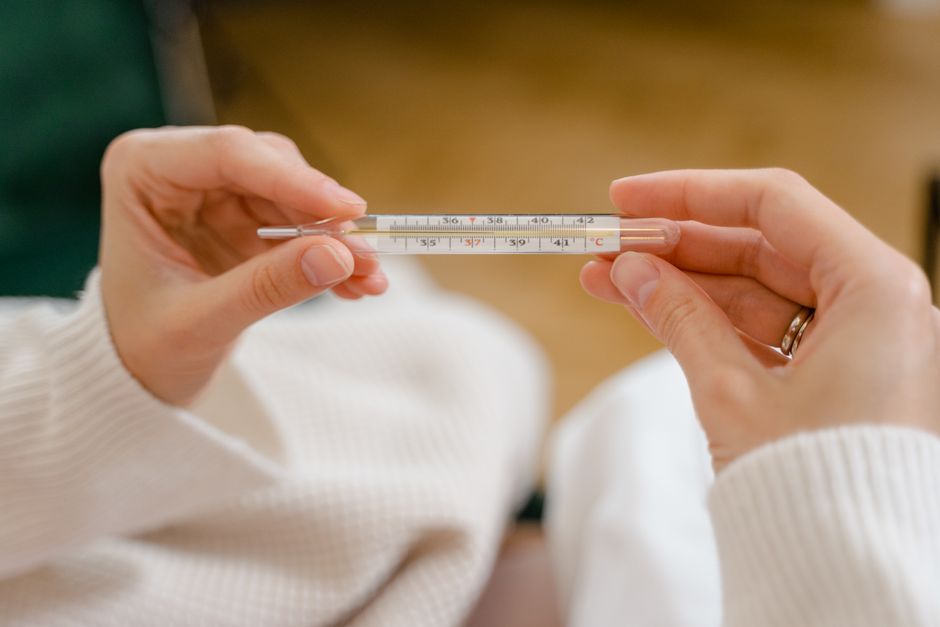
Feeling cold when everyone else is comfortable is a common complaint, and it usually has nothing to do with a fever. Fever causes chills because the body is deliberately raising its internal temperature set point. Feeling cold without a fever is a different process. It usually comes down to one of nine things: low body fat, poor circulation, anemia, an underactive thyroid, low blood sugar, anxiety or stress, dehydration, certain medications, or simply being in a cold environment. The right explanation depends on whether the cold feeling is new, constant, or comes and goes.
This article explains each cause, what the mechanism actually is, and when a doctor’s visit makes sense.
How Does Your Body Normally Control Temperature?
Your body keeps its core temperature in a narrow range, generally around 98.6°F (37°C), though normal varies between people and across the day. A region of the brain called the hypothalamus acts as the thermostat.
When you get cold, the hypothalamus triggers two main responses. Blood vessels near the skin narrow to keep warm blood closer to your core. And your muscles shiver to generate heat. When you get hot, the opposite happens — vessels widen and you sweat.
Feeling cold is your brain’s signal that heat is being lost faster than it is being made, or that the thermostat has been reset. With a fever, the hypothalamus raises the set point on purpose, so you feel cold until your body catches up. Without a fever, the same cold feeling usually points to a problem with heat production, heat delivery, or heat loss.
That distinction is the key to everything below.
Why Am I Freezing With No Fever? 9 Possible Causes
These nine causes cover the large majority of cases where someone feels persistently or repeatedly cold but has no fever. Some are harmless. A few need medical attention.
1. Low Body Fat or Low Muscle Mass
Body fat insulates, and muscle generates heat. People with very low body fat, or with low muscle mass, tend to feel cold more easily. This is common in people who are underweight, in older adults who have lost muscle, and in athletes who train heavily.
It is not a disease on its own. But unexplained weight loss with new cold intolerance is worth checking with a doctor.
2. Poor Circulation
If your hands and feet are cold while your core feels fine, circulation is often the reason. Blood vessels in the extremities narrow first when the body wants to conserve heat.
This is normal in cold weather. It can also happen with conditions that affect blood flow, including peripheral artery disease and Raynaud’s phenomenon — a condition where fingers and toes turn white or blue and feel numb in response to cold or stress.
3. Anemia
Anemia means you have fewer healthy red blood cells, or less hemoglobin, than normal. Hemoglobin carries oxygen. Without enough of it, tissues get less oxygen, and the body may struggle to generate and distribute heat.
Iron-deficiency anemia is the most common type. It is more frequent in women who menstruate, in pregnant women, and in people with certain digestive conditions. Cold hands and feet, fatigue, and pale skin are common symptoms.
Anemia is diagnosed with a blood test, not by how you feel. If you suspect it, ask your doctor rather than starting iron supplements on your own — too much iron is harmful.
4. An Underactive Thyroid
The thyroid gland controls metabolism. When it is underactive — a condition called hypothyroidism — the body’s metabolic rate drops, and people often feel cold all the time, even in warm rooms.
Other common signs include fatigue, weight gain, dry skin, constipation, and slower thinking. Hypothyroidism is diagnosed with blood tests measuring thyroid hormones.
This is one of the most common medical causes of persistent cold intolerance. It is treatable, but the diagnosis needs to come from a doctor.
5. Low Blood Sugar
Glucose is fuel. When blood sugar drops, the body has less energy to burn for heat, and you may feel cold, shaky, sweaty, and weak.
This most often happens in people with diabetes who take insulin or certain medications. It can also happen after long stretches without eating, or after intense exercise without enough food.
If you have diabetes and feel cold along with shakiness or confusion, check your blood sugar. Low blood sugar can become an emergency.
6. Anxiety and Stress
Anxiety triggers the body’s stress response, which redirects blood flow toward the muscles and away from the skin. That can leave hands and feet feeling cold even when the room is warm.
Chronic stress can also disrupt sleep and appetite, which adds to the effect. This cause is easy to overlook because the cold feeling seems to have no physical trigger.
7. Dehydration
Water helps regulate body temperature. When you are dehydrated, your body has a harder time holding heat, and you may feel cold — especially in the hands and feet.
Dehydration is common in older adults because the thirst signal weakens with age. It also happens with illness, heavy sweating, and some medications.
8. Medications
Some medications affect circulation or body temperature regulation. Beta-blockers, which slow heart rate, are a well-known example. Others can cause cold hands and feet as a side effect.
If you started a new medication and noticed new cold sensitivity, mention it to your doctor or pharmacist. Do not stop a prescribed medication on your own.
9. Cold Environment or Cold Exposure
The simplest cause is often the right one. Being in a cold room, sitting still for long periods, wearing thin clothing, or spending time outdoors in cool weather will make you feel cold.
Older adults and people with low body fat feel this more. So do people who sit at a desk all day with poor air circulation.
When Should You See a Doctor About Feeling Cold?
Occasional cold hands or feet are usually not a concern. See a doctor if the cold feeling is new, persistent, or comes with other symptoms.
Warning signs that deserve a medical visit include:
- Cold feeling that does not go away in a warm room
- Unexplained weight loss or weight gain
- Constant fatigue or weakness
- Pale, blue, or white fingers and toes
- Swelling in the legs or feet
- Cold feeling along with confusion, shakiness, or fainting
- Cold intolerance that started after a new medication
Cold intolerance that persists for weeks without an obvious cause is worth a basic workup. Blood tests for thyroid function, iron levels, and blood sugar can rule out several of the causes above quickly.





What Is the Difference Between Feeling Cold and Having Chills?
Chills are a specific response. They happen when the hypothalamus raises the body’s temperature set point, usually because of an infection. The body then shivers to reach the new, higher target, and you feel intensely cold until it does.
Feeling cold without a fever is different. There is no reset thermostat. The cold feeling comes from heat loss, poor heat production, or reduced blood flow to the skin.
This distinction matters because chills with a fever point toward infection and often need different care than a general cold feeling.
Can Feeling Cold Be a Sign of Something Serious?
Most cases are not serious. Low body fat, cold rooms, dehydration, and stress account for a large share of everyday cold feelings.
A few causes do need attention. Hypothyroidism, anemia, and low blood sugar all have effective treatments, but they need a diagnosis first. Poor circulation from peripheral artery disease is more common in smokers and people with diabetes and can signal cardiovascular risk.
Cold intolerance that is new, worsening, or paired with other symptoms is the pattern that should prompt a doctor’s visit rather than watchful waiting.
What Helps You Feel Warmer?
Simple steps help with everyday cold feelings. Wear layers, especially on the hands, feet, and head. Move around regularly if you sit for long periods. Drink enough water. Eat regular meals to keep blood sugar steady.
These steps address the common causes — cold environment, poor circulation from inactivity, dehydration, and low blood sugar. They will not fix an underactive thyroid or anemia. Those need medical treatment.
If you have tried the basics and still feel cold all the time, that is the point to check in with a doctor rather than keep guessing.
Frequently Asked Questions
Why am I freezing but have no fever?
Feeling cold without a fever usually means your body is losing heat faster than it makes it, or that blood flow to your skin is reduced. Common causes include low body fat, poor circulation, anemia, an underactive thyroid, low blood sugar, anxiety, dehydration, medications, and cold environments.
Can low thyroid cause you to feel cold all the time?
Yes. An underactive thyroid slows metabolism, and cold intolerance is one of its most common symptoms. It is diagnosed with a blood test, so see a doctor if the cold feeling is persistent.
Is feeling cold a sign of anemia?
It can be. Anemia reduces the oxygen-carrying capacity of your blood, which can make it harder for your body to stay warm, especially in the hands and feet. A blood test confirms whether you have it.
When should I worry about always feeling cold?
See a doctor if the cold feeling is new, does not go away in a warm room, or comes with fatigue, weight changes, or pale or blue fingers and toes. These signs point to causes that need a medical workup.
