
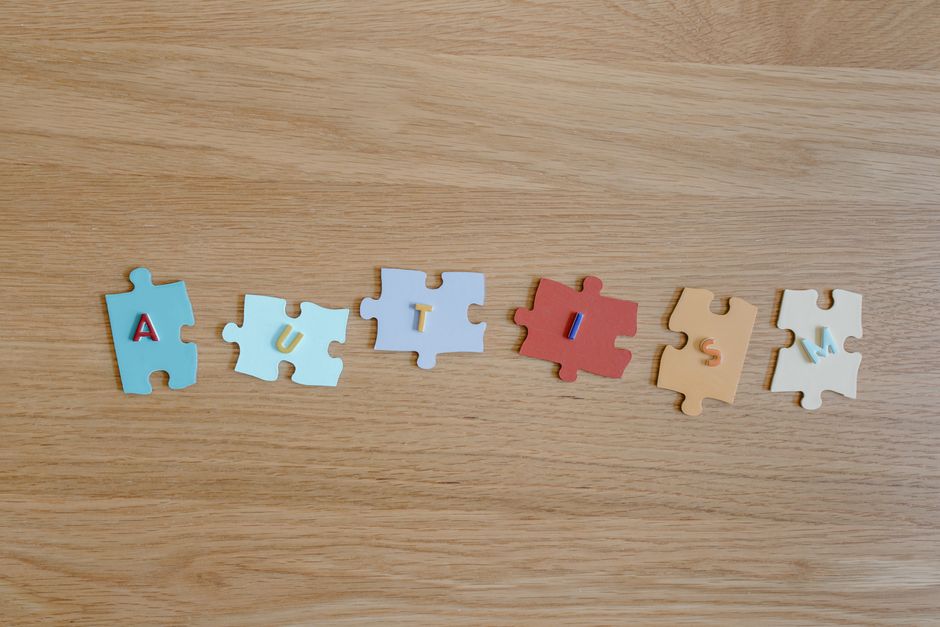
Autism is a diagnosis, but it is not a disease you catch or a single condition with one cause. It is a neurodevelopmental difference defined by a specific set of behavioral criteria that a trained clinician observes and documents. The criteria come from the DSM-5, the diagnostic manual used in the United States, and a person must meet defined thresholds in two core areas to receive the diagnosis.
What surprises many people is that autism is not confirmed by a blood test, a brain scan, or a genetic panel. There is no biomarker. The diagnosis rests on developmental history and observed behavior, which is why the criteria matter so much and why the process can look subjective from the outside. It is not.
Is Autism A Diagnosis What The Criteria Really Mean?
The DSM-5 criteria describe autism as differences in two domains: social communication and interaction, and restricted or repetitive patterns of behavior, interests, or activities.
In the first domain, a person must show difficulties across all three of the following: social-emotional reciprocity, nonverbal communication used in social interaction, and developing and maintaining relationships. These are not vague traits. They are specific, observable patterns. A child who does not point to share interest, or an adult who struggles to read tone and facial expression, fits somewhere in this domain.
In the second domain, a person must show at least two of four patterns: repetitive movements or speech, insistence on sameness or routine, highly restricted and intense interests, or unusual responses to sensory input such as seeming indifferent to pain or reacting strongly to specific sounds or textures.
Two more conditions apply. The traits must be present in early development, even if they are not recognized until later. And they must cause real impairment in daily functioning. That last point is important. Someone can have autistic traits without meeting the threshold for a diagnosis.
The DSM-5 also uses severity levels. Level 1 means a person needs support. Level 2 means substantial support. Level 3 means very substantial support. These levels are assigned based on how much help a person needs, not on how “autistic” they are.
How Is Autism Actually Diagnosed?
There is no single test. Diagnosis happens through a combination of developmental history, direct observation, and standardized tools.
A clinician typically interviews parents or caregivers about early development. They may use structured instruments such as the Autism Diagnostic Observation Schedule, which provides a standardized way to observe social and communication behavior. They may also use the Autism Diagnostic Interview, a detailed caregiver interview.
No single tool makes the diagnosis alone. A clinician weighs all the information together and compares it against the DSM-5 criteria. This is why assessment usually involves a team, often including a developmental pediatrician, psychologist, speech-language pathologist, or psychiatrist.
For adults seeking a diagnosis, the process is harder. Adult assessment relies more heavily on self-report and history, and there are fewer validated tools designed specifically for adults. Some clinicians are more experienced with adult autism than others.
One clarification worth making: the criteria describe behavior, not biology. Two people can meet the same criteria for entirely different underlying reasons. That is a limitation of a behavioral diagnosis, and it is also why autism is described as a spectrum rather than a single condition.
Why Did The Diagnosis Change Over Time?
The definition of autism has shifted significantly over the past several decades. What was once a narrow category has expanded.
In 1980, the DSM listed “infantile autism” as a distinct condition with strict criteria. In 1994, the DSM-IV introduced a broader category called pervasive developmental disorders, which included autistic disorder, Asperger’s disorder, and pervasive developmental disorder not otherwise specified. In 2013, the DSM-5 folded all of these into a single diagnosis: autism spectrum disorder.
This consolidation meant that people who previously received a diagnosis of Asperger’s disorder or PDD-NOS now receive an autism spectrum disorder diagnosis. The change was not a sudden rise in autism itself. It was a change in how the diagnosis is defined and counted.
That distinction matters when you see headlines about rising autism rates. Some of the increase reflects broader criteria, greater awareness, and better screening. How much of the increase reflects a true change in how many people are autistic is genuinely debated among researchers. No one has a clean answer.





What Autism Is Not
Autism is not caused by vaccines. This has been studied extensively, and the evidence does not support a link. The original 1998 paper that sparked the concern was retracted, and its lead author lost his medical license. Multiple large studies since then have found no connection between vaccines and autism.
Autism is not caused by “refrigerator mothers” or cold parenting. That theory, popular in the 1950s, was wrong and caused enormous harm to families. It has been abandoned.
Autism is not a mental illness in the psychiatric sense of the word, though autistic people can experience anxiety, depression, and other mental health conditions at higher rates than the general population.
Autism is also not something a person can “outgrow.” The underlying neurological differences persist. What changes is how well a person learns to cope, communicate, and adapt, often with support.
And autism is not caused by a single gene. Research points to a complex mix of genetic factors, some rare and some common, along with possible environmental influences that are not yet well understood. The genetics of autism are an active area of study, and no single cause has been identified.
What Does It Mean To Be On The Spectrum?
The word “spectrum” reflects the wide range of how autism presents. Some autistic people are nonverbal and need substantial daily support. Others speak fluently, hold jobs, and may not be identified until adulthood.
Support needs vary enormously. A person with level 1 autism may need accommodations at work but live independently. A person with level 3 autism may need round-the-clock care. Both meet the same diagnostic criteria.
The spectrum also means that two autistic people can have almost nothing in common behaviorally. One may be highly social but miss subtle cues. Another may have no interest in social interaction at all. Both fit the diagnosis.
This variability is one reason the diagnosis is often misunderstood. There is no single “look” of autism, and no single way to be autistic.
How Common Is Autism And Who Diagnoses It?
The Centers for Disease Control and Prevention estimates that about 1 in 36 children in the United States is diagnosed with autism spectrum disorder. That estimate comes from surveillance of 8-year-old children across multiple communities.
Boys are diagnosed more often than girls. The reasons are debated. Some researchers believe girls are underdiagnosed because their traits present differently or because they mask their difficulties more effectively. Others point to possible biological differences. The evidence is mixed.
Diagnosis is typically made by a developmental pediatrician, child psychologist, child psychiatrist, or a multidisciplinary team. In adults, diagnosis may come from a psychologist or psychiatrist with experience in adult autism assessment.
Early diagnosis can connect families to services and support. That said, the evidence on how much early intervention changes long-term outcomes varies depending on the type and intensity of the intervention. Some approaches have stronger evidence than others. No single intervention works for every autistic person.
What The Diagnosis Does And Does Not Tell You
A diagnosis tells you that a person meets a defined set of behavioral criteria. It does not tell you what caused their autism, what their future will look like, or what support they will need.
It does not predict intelligence. Autistic people span the full range of cognitive ability, from intellectual disability to above-average intelligence.
It does not predict outcome. Some autistic children grow into adults who live independently and work. Others need ongoing support. The diagnosis alone cannot tell you which path a person will take.
What the diagnosis does provide is access. In the United States, a formal diagnosis is often required to qualify for special education services, insurance coverage for therapy, and disability supports. That practical function is a large part of why the criteria exist and why they are applied carefully.
The diagnosis is a category, not a destiny. It describes a pattern of development and behavior. What a person does with that information, and what support they receive, is a separate question.
Frequently Asked Questions
Can autism be diagnosed with a blood test?
No. There is no blood test, brain scan, or genetic test that can diagnose autism on its own. Diagnosis is based on developmental history and observed behavior compared against DSM-5 criteria.
What are the two main areas of autism criteria?
The DSM-5 requires difficulties in social communication and interaction, plus at least two restricted or repetitive behavior patterns. Traits must be present in early development and cause real impairment in daily life.
Is autism more common now than in the past?
Diagnosed autism rates have risen, but part of that rise reflects broader diagnostic criteria, better screening, and greater awareness. How much reflects a true increase is genuinely debated among researchers.
Can adults be diagnosed with autism?
Yes, adults can be diagnosed, though the process is harder because it relies more on self-report and history. Fewer standardized tools are designed specifically for adult assessment.
