
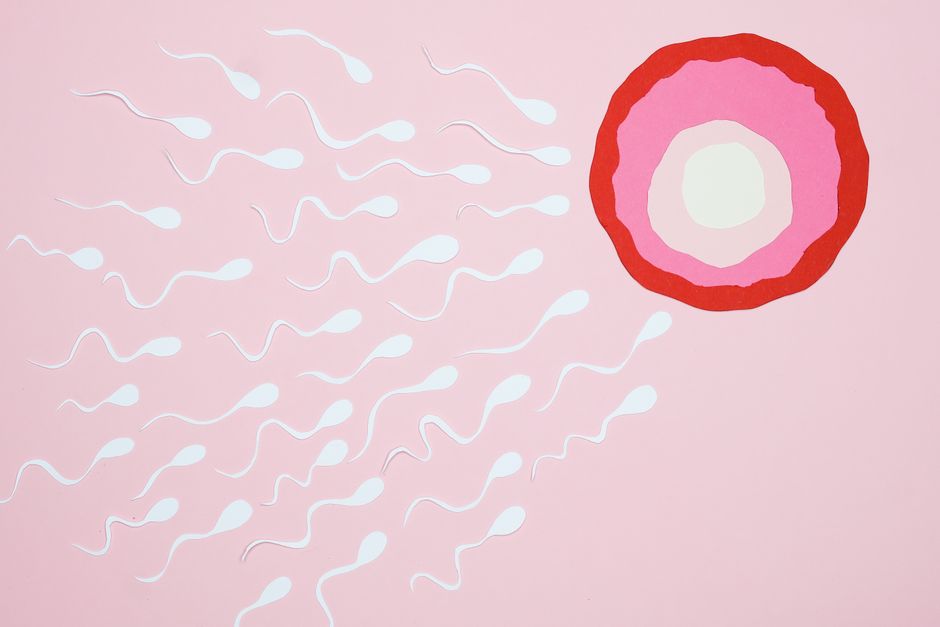
Vaginal dryness during ovulation feels confusing because ovulation is supposed to be the time of peak fertility and maximum natural lubrication. The reality is that cervical fluid changes dramatically around ovulation, and what you are experiencing may not be true dryness at all — or it may be a sign that ovulation is approaching or has already passed. The most common cause is mistiming: the slippery, egg-white discharge that signals peak fertility typically appears one to two days before ovulation and disappears quickly after the egg is released. If you are checking on the day of ovulation itself, the fertile fluid may already be gone. Other causes include hormonal imbalances, medications, and conditions like polycystic ovary syndrome (PCOS). The right response depends on identifying which pattern matches your cycle.
What Does Normal Cervical Fluid Look Like Around Ovulation?
Cervical fluid changes throughout your menstrual cycle because of estrogen and progesterone. In the days before ovulation, rising estrogen triggers the cervix to produce more fluid. This fluid becomes increasingly wet, stretchy, and clear — similar to raw egg whites. This is the most fertile cervical fluid, and it helps sperm survive and travel toward the egg.
After ovulation, progesterone rises. This hormone thickens cervical fluid and reduces its volume. The wet, stretchy sensation disappears quickly, often within 24 to 48 hours after the egg is released. If you are checking your fluid after ovulation has occurred, you will likely feel dry or sticky — and that is completely normal.
Many women track their cycles by checking cervical fluid daily. The fertile window includes the five days before ovulation and the day of ovulation itself. The egg-white fluid typically peaks one to two days before ovulation, not on the day of ovulation. If you are waiting to see egg-white fluid on the exact day you expect ovulation, you may miss it entirely.
Why Am I Dry During Ovulation Causes What Helps?
Feeling dry during your expected fertile window can happen for several reasons. The most common is that ovulation is happening later than you think. Cycle lengths vary, and ovulation does not always occur on day 14. Stress, illness, travel, and sleep changes can delay ovulation by days or even weeks. If your prediction is off, your cervical fluid will not match your expectations.
Another possibility is that you are producing less cervical fluid overall. This can happen with age — fluid volume tends to decline in your late 30s and 40s. Certain medications also reduce cervical fluid. Antihistamines, decongestants, and some antidepressants have drying effects on mucous membranes throughout the body, including the cervix. Birth control pills and other hormonal contraceptives suppress natural cervical fluid production entirely.
Hormonal conditions can also play a role. Polycystic ovary syndrome (PCOS) often causes irregular ovulation, which makes cervical fluid patterns unpredictable. Low estrogen levels, whether from perimenopause, excessive exercise, or low body weight, can reduce cervical fluid even when ovulation occurs. Some research suggests that certain fertility medications, like clomiphene citrate, can paradoxically thicken cervical fluid in some women, though this effect varies widely.
How to Tell If You Are Actually Ovulating
If you are dry during your fertile window, you may wonder whether you are ovulating at all. Cervical fluid is one sign of fertility, but it is not the only one. Basal body temperature rises about 0.5 to 1 degree Fahrenheit after ovulation and stays elevated until your next period. Ovulation predictor kits detect the luteinizing hormone (LH) surge that occurs 24 to 36 hours before ovulation. These tests are widely available and generally reliable when used correctly.
Some women also feel mittelschmerz — a one-sided twinge or cramp near the ovary that releases the egg. This sensation is not universal, and its absence does not mean you are not ovulating. Cervical position also changes: the cervix becomes softer, higher, and slightly open before ovulation, then firms and lowers afterward.
If you have regular cycles and are not using hormonal birth control, you are likely ovulating most months even if your cervical fluid is not obvious. The absence of egg-white fluid alone does not confirm anovulation. For a more definitive answer, your doctor can order a blood test for progesterone about seven days before your expected period. This test confirms that ovulation occurred.




What Helps With Vaginal Dryness During Ovulation
If the dryness is bothersome or interfering with intercourse, several options can help. Water-based lubricants are safe and do not harm sperm. In fact, many fertility specialists recommend them for couples trying to conceive. Avoid lubricants with glycerin or parabens if you are actively trying to get pregnant — some studies suggest these ingredients may affect sperm motility, though the evidence is not conclusive.
Preseed and similar fertility-friendly lubricants are formulated to match the pH and consistency of natural cervical fluid. They are designed not to interfere with sperm. These products are widely available and have been studied for safety, though no large clinical trials have confirmed they improve pregnancy rates over standard lubricants.
Staying hydrated matters. Dehydration reduces overall mucus production, including cervical fluid. Drinking enough water throughout the day supports all mucous membranes. Some women also find that taking a warm bath or using a warm compress on the lower abdomen increases blood flow to the pelvic region, which may temporarily increase vaginal moisture, though this effect is not well studied.
If dryness is persistent and accompanied by other symptoms like irregular periods, hot flashes, or night sweats, talk to your doctor. These symptoms may indicate a hormonal imbalance that deserves evaluation. Blood tests can check estrogen, progesterone, follicle-stimulating hormone (FSH), and thyroid function.
When Dryness Is Not Related to Ovulation
Vaginal dryness can have causes unrelated to your cycle. Certain soaps, douches, and intimate washes strip natural oils and disrupt the vaginal microbiome. This can cause irritation and a sensation of dryness even when cervical fluid is normal. Scented products and synthetic underwear can also irritate sensitive tissue.
Some women experience dryness from breastfeeding, menopause, or the use of certain medications. Antihistamines are a common culprit because they reduce mucus throughout the body. Isotretinoin (Accutane) and some chemotherapy drugs also cause significant dryness of mucous membranes. If you recently started a new medication and noticed dryness, check the side effect profile or ask your pharmacist.
Vaginal infections can sometimes mimic dryness. A yeast infection may cause itching, burning, and a thick discharge that feels dry or pasty rather than wet. Bacterial vaginosis can also alter discharge. If you have itching, odor, or burning in addition to dryness, see a healthcare provider for an accurate diagnosis.
Does Dryness Mean You Are Not Fertile That Month?
Not necessarily. Cervical fluid is a helpful sign, but its absence does not guarantee that conception is impossible. Some women ovulate with minimal cervical fluid and still conceive without issue. Sperm can survive in the reproductive tract for up to five days, so if you had fertile fluid in the days before ovulation, sperm may still be present and viable when the egg is released.
If your fluid is consistently absent throughout your fertile window, it is worth discussing with a doctor — especially if you have been trying to conceive for several months. A fertility evaluation can assess hormone levels, ovarian reserve, and whether ovulation is occurring regularly. But for most women, occasional dryness around ovulation is a normal variation, not a cause for alarm.
Tracking multiple fertility signs over several cycles gives you a clearer picture than relying on cervical fluid alone. Combining temperature, LH testing, and cervical fluid observations helps identify your personal pattern. Over time, you may notice that your fertile fluid appears earlier or later than typical charts suggest — and that is your normal.
Frequently Asked Questions
Can you ovulate without egg white cervical mucus?
Yes, ovulation can occur without noticeable egg-white mucus. Some women produce minimal cervical fluid, and medications or age can reduce it further.
Why do I feel dry right after ovulation?
Progesterone rises after ovulation and thickens cervical fluid, causing the vagina to feel dry. This is a normal hormonal response.
Does drinking more water increase cervical mucus?
Adequate hydration supports mucus production throughout the body, including cervical fluid. Severe dehydration can reduce mucus, but drinking extra water does not guarantee more fertile fluid.
What lubricant is safe when trying to conceive?
Water-based lubricants and fertility-friendly products like Preseed are generally considered safe. Avoid oil-based lubricants, which can interfere with sperm movement.
