
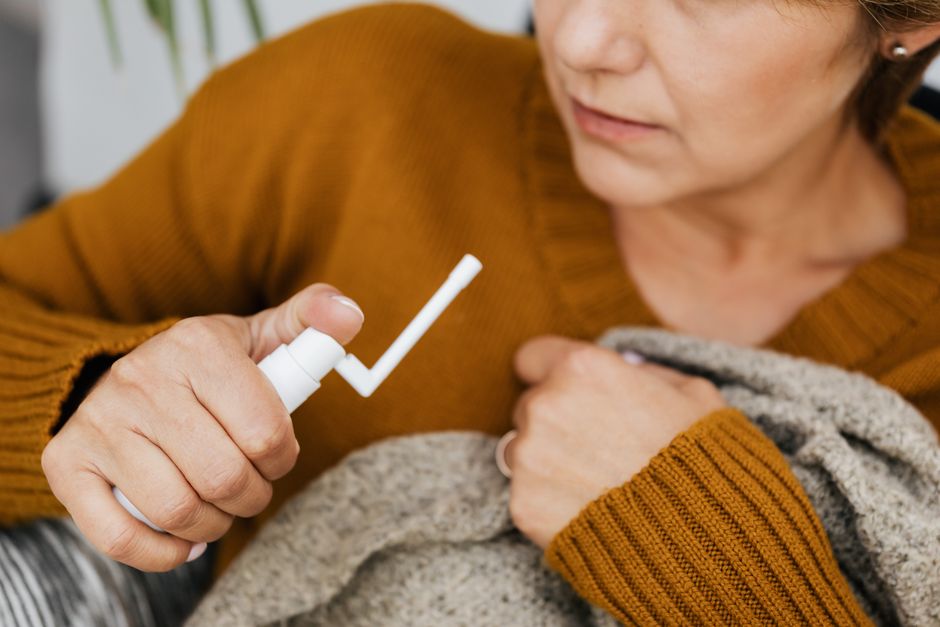
Oral thrush is a fungal infection in your mouth caused by an overgrowth of yeast, most commonly Candida albicans. It appears as creamy white lesions on your tongue, inner cheeks, or the roof of your mouth. The fix involves antifungal medication prescribed by a doctor, plus home care practices that help stop the yeast from spreading. For mild cases, good oral hygiene and saltwater rinses may help, but persistent thrush typically requires prescription treatment to fully clear.
What Causes Oral Thrush in Adults?
Everyone has small amounts of Candida yeast in their mouth, digestive tract, and skin. Your immune system and the healthy bacteria in your body usually keep it in check. Thrush happens when something tips that balance.
The most common triggers include taking antibiotics, which kill off protective bacteria along with the harmful ones. Dry mouth from medications or medical conditions also raises your risk because saliva helps wash away excess yeast. People with uncontrolled diabetes, especially with high blood sugar, are more susceptible. So are people undergoing chemotherapy, radiation, or anyone with a weakened immune system.
Inhaled corticosteroids used for asthma can leave yeast in the mouth if you do not rinse afterward. Dentures that do not fit well or are not cleaned properly are another frequent cause. Smoking also increases your risk significantly.
What Does Oral Thrush Look and Feel Like?
Thrush has a distinct appearance. You will see creamy white, slightly raised lesions that look like cottage cheese. They can appear on your tongue, inner cheeks, gums, tonsils, or the back of your throat.
One key sign distinguishes thrush from milk residue or food debris: when you wipe or scrape the lesions, they leave behind a red, inflamed, sometimes bleeding area. This is a strong indicator of thrush rather than simple coating.
Symptoms often include a cotton-like feeling in your mouth, loss of taste, or a mild burning sensation. Some people experience pain when eating or swallowing. If the infection spreads down your esophagus, you may feel like food is stuck in your throat or experience chest pain. Cracking at the corners of your mouth, called angular cheilitis, can also accompany thrush.
How To Fix Oral Thrush Treatments And Home Remedies
The standard treatment for oral thrush is an antifungal medication. These come in several forms: lozenges you dissolve in your mouth, liquids you swish and swallow, or pills. Common options include nystatin, clotrimazole, and fluconazole.
Your doctor will choose based on the severity of your infection and your overall health. Mild cases often respond to topical treatments that work directly in your mouth. More severe or recurrent cases may require a systemic antifungal pill. Treatment typically lasts one to two weeks, but follow your prescription exactly as written even if symptoms improve sooner.
For home care, several practices support recovery. Rinsing with warm salt water several times a day can soothe irritated tissue. Mix half a teaspoon of salt in a glass of warm water, swish, and spit. Do not swallow it.
Plain unsweetened yogurt with live cultures may help restore healthy bacteria in your mouth, though clinical evidence for this specific benefit is limited. If you eat yogurt, choose one without added sugar, since sugar feeds yeast.
Practice meticulous oral hygiene. Brush twice daily with a soft toothbrush, floss daily, and replace your toothbrush after your infection clears. If you use a corticosteroid inhaler, rinse your mouth with water and spit immediately after each use.
If you wear dentures, remove them at night and clean them thoroughly. Soak them in an antifungal solution if your dentist recommends it. Do not wear them while sleeping.




Are Natural Remedies Effective for Oral Thrush?
Several natural remedies appear in popular advice for thrush, but the evidence supporting them is limited. Coconut oil has antifungal properties in laboratory studies, including activity against Candida. However, no large human trials confirm it can cure oral thrush on its own.
Diluted tea tree oil also shows antifungal activity in research, but it is toxic if swallowed and should never be used as a mouthwash. Some people apply it topically to lesions, but this is not recommended without professional guidance.
Apple cider vinegar is frequently mentioned online. It has some antifungal properties in test tubes, but no clinical evidence supports it as a treatment for oral thrush. It is also highly acidic and can damage tooth enamel if used as a rinse.
Probiotics are the most promising natural approach. Some research suggests certain strains, particularly Lactobacillus, may help prevent thrush, especially in people taking antibiotics. The evidence for treating an active infection is weaker. If you choose to take probiotics, look for products with specific strains rather than general labels.
Here is the honest position: none of these natural remedies has strong clinical evidence as a standalone cure for oral thrush. They may complement medical treatment, but they should not replace it.
When Should You See a Doctor?
You should see a doctor if you suspect you have oral thrush, especially if you have never had it before. The condition can resemble other conditions such as lichen planus or leukoplakia, so a proper diagnosis matters.
Seek prompt medical attention if you have trouble swallowing, if the lesions spread, or if you have a weakened immune system. For people with HIV, cancer treatment, or other immunocompromising conditions, thrush can become serious and spread to other parts of the body.
If you have diabetes and develop thrush, this may signal that your blood sugar is not well controlled. Getting your glucose levels back into target range is an important part of preventing recurrence.
Recurrent thrush — meaning it comes back several times a year — warrants a medical evaluation. Your doctor may want to check for underlying conditions that predispose you to fungal infections.
How To Prevent Oral Thrush From Coming Back
Prevention focuses on the factors you can control. Maintain good oral hygiene by brushing and flossing daily. Replace your toothbrush regularly, and definitely replace it after finishing treatment for thrush to avoid reinfection.
If you use an inhaled corticosteroid, always rinse your mouth with water afterward. This simple step dramatically reduces the amount of yeast that stays in your mouth.
Manage your blood sugar if you have diabetes. Keeping glucose levels in a healthy range reduces the food source yeast needs to thrive.
If you smoke, quitting reduces your risk. Smoking alters the oral environment and makes thrush more likely.
For denture wearers, clean your dentures daily and remove them at night. Do not use mouthwash that contains alcohol, as it can dry out your mouth and disrupt the balance of oral flora.
Limit sugary foods and drinks while you are recovering. Sugar feeds yeast, and reducing dietary sugar may help your body rebalance more quickly.
Can Oral Thrush Go Away Without Treatment?
In healthy adults with strong immune systems, very mild thrush can sometimes resolve on its own. This is not common, and it is not something you should count on. Most cases require antifungal treatment to clear completely.
Without treatment, thrush can persist for weeks or months. It can also spread to the esophagus, which makes eating painful and requires stronger medication. In people with compromised immune systems, untreated thrush can enter the bloodstream, a serious condition called candidemia.
If you are otherwise healthy and your symptoms are very mild, you might try saltwater rinses and improved oral hygiene for a few days. If there is no clear improvement within that time, see a doctor. Do not delay treatment if symptoms are painful or interfering with eating.
Frequently Asked Questions
How long does oral thrush take to clear with treatment?
Most cases clear within one to two weeks of starting antifungal treatment. Symptoms often improve within a few days, but finish the full course of medication to prevent recurrence.
Can I use mouthwash to treat oral thrush?
Regular mouthwash does not treat thrush and may worsen it by disrupting healthy oral bacteria. Your doctor may prescribe a special antifungal rinse if appropriate for your case.
Is oral thrush contagious?
Oral thrush is not considered highly contagious and does not spread easily between healthy adults. It can pass to infants during breastfeeding, so mothers and babies are sometimes treated together.
What happens if oral thrush is left untreated?
Untreated thrush can persist for weeks or spread to the esophagus, causing pain with swallowing. In people with weakened immune systems, it can enter the bloodstream and become a serious systemic infection.
