
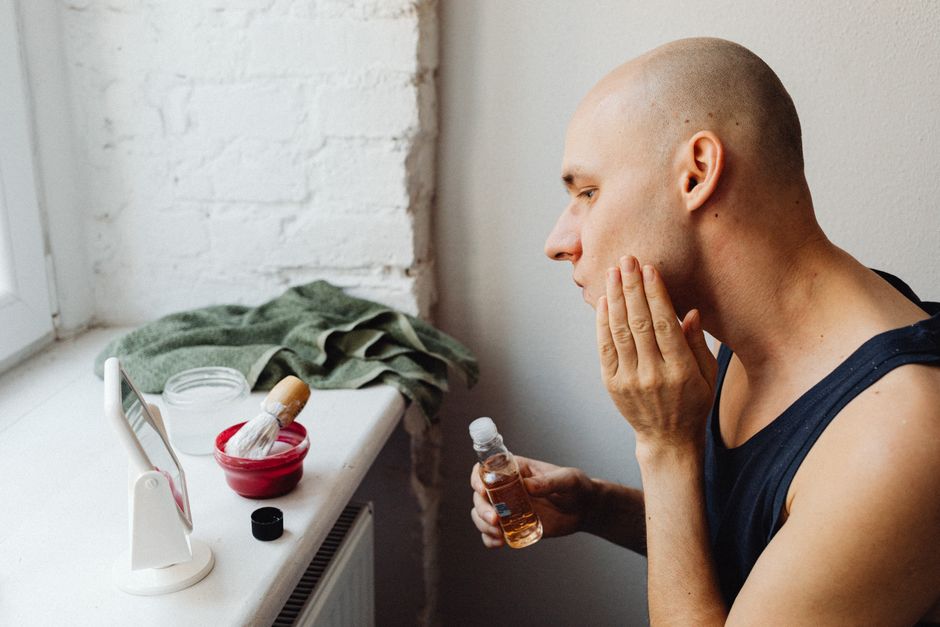
Hair loss at 14 is frightening, and it is more common than most people think. The short answer is that balding at 14 is usually caused by genetics (androgenetic alopecia), but it can also be triggered by stress, nutritional deficiencies, or medical conditions like alopecia areata. The first step is identifying the actual cause, and the second is seeing a doctor, because early treatment works far better than waiting. This guide walks through the real root causes and what you can do about them.
Is It Normal To Lose Hair At 14?
Losing some hair every day is normal at any age. Most people shed between 50 and 100 hairs daily as part of the natural hair growth cycle. At 14, your body is changing rapidly, and temporary shedding can happen for many reasons.
What is not normal is visible thinning, a receding hairline, or bald patches. If you can see your scalp through your hair, or if you are finding large clumps of hair on your pillow or in the shower drain, that is worth taking seriously. Do not dismiss it as “just a phase.”
Teenage hair loss is not rare. Studies show that a significant number of adolescents experience some form of hair loss, and the causes vary widely. Some are temporary and fixable. Others are permanent and manageable with the right treatment. The key is figuring out which type you have.
Why Am I Balding At 14 Causes And What To Do? The Main Types
There are three main categories of hair loss in teenagers: genetic, temporary shedding, and patchy hair loss. Each has different causes and different treatments.
Genetic hair loss (androgenetic alopecia) is the most common cause of permanent balding in adults, and it can start in the teenage years. It happens when hair follicles are genetically sensitive to a hormone called dihydrotestosterone (DHT), a byproduct of testosterone. Over time, DHT shrinks the follicles, and the hairs that grow back are thinner and shorter until the follicle stops producing hair entirely.
Temporary shedding (telogen effluvium) happens when a physical or emotional stressor pushes a large number of hair follicles into the resting phase at the same time. Two to three months after the stressor, those hairs fall out together. This type of hair loss is rarely permanent, and hair usually regrows once the trigger is resolved.
Patchy hair loss (alopecia areata) is an autoimmune condition where the immune system attacks hair follicles. It typically presents as round, smooth bald patches on the scalp. In some cases it resolves on its own. In others it needs medical treatment.
Genetic Hair Loss In Teenagers
If your father, mother, or grandparents lost hair early, you have a higher chance of following the same pattern. Genetic hair loss is not caused by anything you did. It is not from wearing hats, using too much shampoo, or frequent styling. Those things can damage hair strands, but they do not cause the follicle to shrink.
The pattern in teenagers usually starts with a receding hairline or thinning at the crown. It can progress slowly over years. If this is the cause, it will not stop on its own. That sounds harsh, but it is true, and it is important to know.
What you can do: see a dermatologist. There are FDA-approved treatments for genetic hair loss, and some are appropriate for teenagers. The most commonly used is minoxidil (Rogaine), which is available over the counter. Finasteride, an oral medication, is generally not recommended for teenagers because of potential side effects on hormones and development. A dermatologist can guide you based on your specific situation.





Temporary Shedding From Stress Or Illness
Telogen effluvium is one of the most common causes of hair loss in teenagers, and it is often overlooked. The triggers include high fever, major surgery, rapid weight loss, severe emotional stress, or even starting a new medication.
The frustrating part is the delay. Hair does not fall out during the stressful event. It falls out two to three months later, which makes it hard to connect the dots. A student who had a severe illness in September might notice dramatic shedding in November or December.
The good news: this type of hair loss is almost always temporary. Once the trigger is removed or resolved, the hair cycle resets, and regrowth typically begins within six months. If you have been under significant stress or had a recent illness, this may be your answer. Focus on sleep, balanced meals, and stress management. If shedding continues beyond six months, see a doctor.
Nutritional Deficiencies That Cause Hair Loss
Your hair needs specific nutrients to grow. If you are deficient, your body will prioritize essential functions and stop investing energy in hair growth. The most well-documented deficiencies linked to hair loss are iron, vitamin D, and zinc.
Iron deficiency is one of the most common causes of hair loss in teenagers, especially in girls who have heavy menstrual periods. A simple blood test can check your ferritin levels, which reflects your iron stores. If your levels are low, iron supplementation under medical supervision can help.
Vitamin D deficiency has been linked to hair loss in multiple studies. Many teenagers are deficient, especially if they spend most of their time indoors or live in northern climates. A blood test can confirm this.
Zinc is involved in hair tissue growth and repair. Low levels are less common but possible, particularly in restrictive diets.
Do not start supplementing without a blood test. Taking high doses of vitamins you do not need can cause other problems. Ask your doctor for a full blood panel before assuming a deficiency.
Alopecia Areata And Other Medical Conditions
Alopecia areata is an autoimmune condition that causes the immune system to attack hair follicles. It usually appears as round, smooth patches of hair loss. It can affect anyone at any age, including young teenagers.
Other medical conditions can also cause hair loss. Thyroid disorders, both overactive and underactive, can disrupt the hair cycle. Fungal infections of the scalp, like tinea capitis, can cause patchy hair loss with scaling and itching. Trichotillomania, a psychological condition where a person pulls out their own hair, is another possibility.
These conditions require a medical diagnosis. A dermatologist can examine your scalp, take a small sample if needed, and run blood tests to rule out thyroid issues or deficiencies. Do not try to self-diagnose. The treatment depends entirely on the cause.
When To See A Doctor
You should see a doctor if you notice sudden or patchy hair loss, if you are losing more hair than usual for more than a couple of months, or if you see redness, scaling, or itching on your scalp. You should also see a doctor if hair loss is accompanied by other symptoms like fatigue, weight changes, or irregular periods.
A primary care doctor is a fine first stop. They can run basic blood tests and refer you to a dermatologist if needed. The earlier you get evaluated, the better your options. Many treatments work best when started early, before the follicle has been dormant for too long.
Do not wait a year to see if it resolves on its own. If it is genetic, waiting means losing more ground. If it is temporary, a doctor can help confirm that and ease your anxiety. Either way, a medical visit is the right move.
What Actually Works For Teen Hair Loss
Treatment depends on the cause. There is no one-size-fits-all answer.
For genetic hair loss, minoxidil is the most commonly recommended topical treatment. It is FDA-approved for hair loss and is available over the counter. It works by stimulating hair follicles, but it must be used consistently. If you stop using it, the hair loss resumes. Results take several months to become visible.
For temporary shedding, the treatment is addressing the underlying trigger. If stress caused it, stress management helps. If an illness caused it, time and good nutrition help. No shampoo, oil, or supplement will speed this up significantly. Your body needs time to reset its hair cycle.
For alopecia areata, a dermatologist may recommend topical corticosteroids or other treatments. These require a prescription.
Avoid products that promise instant results. No shampoo can regrow hair from a genetically sensitive follicle. No oil can cure an autoimmune condition. If a product sounds too good to be true, it is.
What About Hair Products And Styling?
Harsh styling practices can damage hair strands, causing breakage that looks like hair loss. Tight hairstyles like ponytails, braids, or buns pull on the hair roots and can cause a type of hair loss called traction alopecia. This is reversible if caught early, but prolonged tension can permanently damage follicles.
Bleaching, perming, and heat styling weaken the hair shaft, making it brittle and prone to breakage. This is not the same as balding, but it can make hair look thinner. If you use these products, reducing frequency and using heat protectants can help.
Wearing hats does not cause hair loss. This is a persistent myth with no scientific support. Neither does washing your hair too often. Shampoo removes oil and dirt, but it does not affect the follicle’s ability to produce hair.
Frequently Asked Questions
Can a 14-year-old go bald permanently?
Yes, genetic hair loss can begin in the teenage years and progress permanently. However, other causes like stress or nutritional deficiencies are temporary, so a medical diagnosis is essential.
What vitamin deficiency causes hair loss in teens?
Iron, vitamin D, and zinc deficiencies are the most commonly linked to hair loss in teenagers. A blood test is needed to confirm which one you have.
Will my hair grow back if I am balding at 14?
It depends on the cause. Hair lost from stress, illness, or deficiencies usually grows back. Hair lost from genetics will not regrow on its own and requires treatment.
Is it normal to see your scalp through your hair at 14?
No, visible scalp thinning is not normal at 14 and should be evaluated by a doctor. It may indicate genetic hair loss, a deficiency, or a medical condition.
