
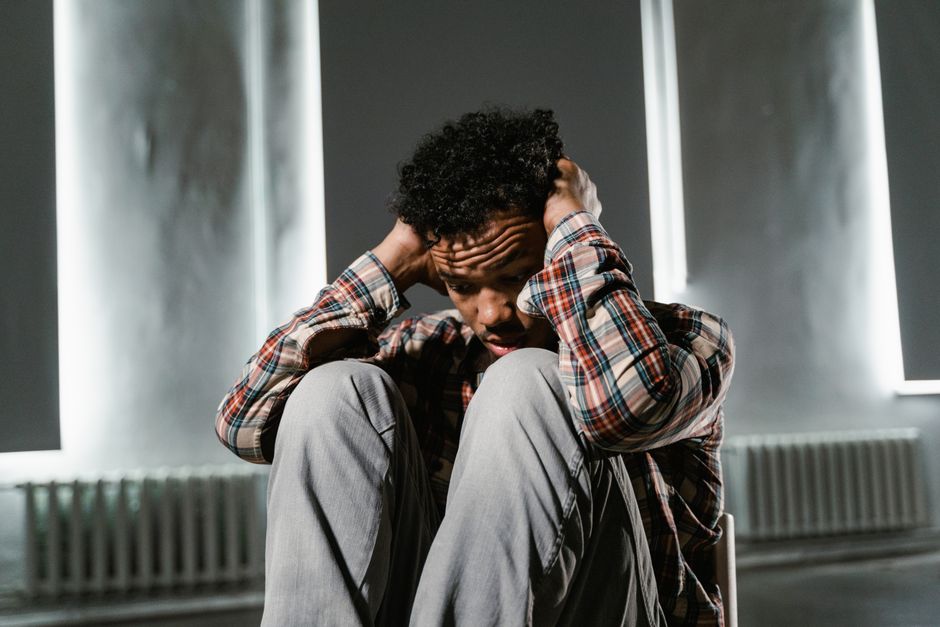
Feeling afraid to be yourself around others usually comes down to a fear of negative judgment — being rejected, embarrassed, or seen as “too much” or “not enough.” That fear often starts early, in environments where being authentic felt unsafe or got you criticized. It is not a character flaw. It is a learned protective response, and understanding where it comes from is the first step toward loosening its grip.
You might notice it as a kind of editing — rehearsing what you’ll say, hiding opinions, laughing at jokes you don’t find funny. The behavior is automatic. The reasons behind it are more specific, and they’re worth naming clearly.
Why Am I Afraid To Be Myself Around Others?
The short answer is that your brain has learned to treat self-expression as risky. Social acceptance has been a survival need for humans for a very long time, and the brain responds to social rejection in ways that overlap with physical threat. When you have learned — through experience — that being authentic leads to criticism, shame, or exclusion, your mind starts protecting you by holding the real you back.
This is not a sign of weakness. It is a sign that your threat-detection system is doing its job, just too broadly. The fear becomes a problem when it runs in situations that are actually safe.
Three things tend to drive it:
- Past experience. Being mocked, dismissed, or punished for who you were teaches caution.
- Anticipated judgment. Expecting others to react badly, even without evidence.
- Internal standards. Believing you must meet a certain bar — interesting enough, agreeable enough, successful enough — before you’re allowed to be seen.
The rest of this article looks at where these patterns come from and why they persist.
Is Fear of Being Yourself a Sign of Social Anxiety?
It can be, but not always. Social anxiety disorder is a recognized clinical condition, and fear of self-expression is one of its common features. But plenty of people who feel this way do not meet the criteria for the disorder.
Social anxiety disorder involves a persistent, intense fear of one or more social situations where you might be judged. The fear is out of proportion to the actual situation, and it causes real distress or gets in the way of daily life. It typically lasts six months or longer. A clinician makes the diagnosis — not a self-test online.
What separates everyday self-consciousness from a disorder is the level of impairment. If you feel awkward at parties but still go and function, that is not the same as avoiding social situations entirely because the fear is overwhelming.
Some people also experience a more specific version: fear of showing emotion, fear of being seen as vulnerable, or fear of appearing incompetent at work. These are variations on the same theme — the belief that authentic exposure will lead to harm.
What Childhood Experiences Make You Hide Who You Are?
Early environments shape how safe self-expression feels. This is one of the better-supported ideas in developmental psychology: children learn, through repeated interactions, whether showing their true thoughts and feelings brings connection or danger.
Certain patterns are commonly linked to later fear of authenticity:
- Criticism or ridicule. Being mocked for your interests, opinions, or emotions teaches you to conceal them.
- Conditional acceptance. Being loved only when you met certain expectations — academic, behavioral, or emotional — can lead to hiding parts of yourself.
- Emotional invalidation. Being told your feelings were wrong, silly, or inconvenient (“stop crying,” “you’re overreacting”) can teach you to suppress what you feel.
- Bullying or social exclusion. Peer rejection in childhood and adolescence often leaves a lasting mark on how safe someone feels being visible.
- High-conflict or unpredictable homes. Growing up around volatility can make you hypervigilant about how others react to you.
None of this means the past has permanently decided your present. It means the pattern was learned — and patterns that are learned can be changed.





What Is the Link Between Fear of Judgment and Being Yourself?
Fear of judgment is often the engine underneath the whole thing. If you expect others to criticize, reject, or think less of you, hiding your authentic self feels like the safest move.
Two biases tend to keep this going. The first is overestimating how much others notice and judge you — a well-documented tendency in psychology called the spotlight effect. People pay far less attention to you than your mind assumes. The second is the belief that a single awkward moment will be remembered and held against you. In most cases, it won’t.
There is also a distinction worth making: fear of judgment from strangers versus fear of judgment from people close to you. The first tends to be about embarrassment. The second is often about losing a relationship or a role — which is a much heavier fear and takes more work to address.
Some people carry a specific version of this: the fear that if others knew the “real” them, they would leave. That belief is worth examining directly, because it is usually not based on evidence. It is based on an assumption formed earlier in life.
Why Does Authenticity Feel Dangerous Even When It Isn’t?
Because the brain generalizes. A protective response learned in one setting — say, being ridiculed at home — can get applied to settings where it doesn’t belong, like a supportive friendship or a low-stakes work meeting.
This is not a flaw in your reasoning. It is how threat learning works. The brain tags certain situations as risky, and it reacts to them before conscious thought catches up. That’s why you can know, logically, that a group of friends won’t judge you — and still feel your chest tighten when you’re about to say something real.
The feeling arrives first. The rational assessment comes second. This is why telling yourself “just relax” rarely works, and why repeated safe experiences matter more than trying to think your way out of it.
What Keeps the Fear Going Over Time?
Avoidance is the main thing. When you hide yourself and the feared outcome doesn’t happen, your brain concludes that hiding is what kept you safe. The fear gets reinforced instead of tested.
This is a well-established pattern in anxiety research. Avoidance reduces discomfort in the short term and strengthens the fear in the long term. Every time you stay quiet, the belief that speaking up is dangerous gets another vote of confidence.
There’s also the cost of not being seen. Over time, hiding can lead to loneliness, a sense of being unknown even among people you spend time with, and fatigue from constant self-monitoring. Some people describe feeling like an actor in their own life.
Other things that keep it going:
- Mind reading. Assuming you know what others are thinking about you — usually negatively.
- Perfectionism. Believing you have to get it exactly right before you’re allowed to be yourself.
- Past rejection that was never processed. An old wound that still shapes expectations.
When Should You Get Help?
Consider professional support if the fear causes real distress, keeps you from relationships or opportunities, or shows signs of depression or ongoing anxiety. A therapist can help you understand the pattern and work through it.
Two approaches have the strongest evidence base for social anxiety and related fears. Cognitive behavioral therapy (CBT) focuses on identifying and changing the thoughts and behaviors that maintain the fear. Exposure-based work — gradually facing feared situations rather than avoiding them — is a core part of that. Some people also benefit from medication, which a doctor or psychiatrist can discuss.
This is not a problem you have to solve alone, and it is not one that requires a crisis to address. If being yourself feels consistently unsafe or exhausting, that is reason enough to talk to someone.
One more thing worth saying plainly: the goal is not to become someone who never feels self-conscious. It is to feel self-conscious sometimes and still show up as yourself. The fear may not disappear entirely. The hold it has on your choices can loosen considerably.
Frequently Asked Questions
Why am I afraid to be myself around others?
It usually comes from a learned fear of judgment or rejection, often rooted in past experiences where being authentic led to criticism or exclusion. Your brain treats self-expression as risky and holds you back to protect you.
Is fear of being yourself a mental health condition?
Not necessarily. It can be a feature of social anxiety disorder, but many people who feel this way do not meet the criteria for a diagnosis. A clinician can tell the difference based on how much it affects your daily life.
Can fear of being yourself go away?
It can ease significantly with time and, often, professional support. Therapy approaches like CBT and gradual exposure have the strongest evidence for reducing social fear, though the goal is usually managing it rather than eliminating it entirely.
What causes fear of judgment from others?
Fear of judgment is often learned in childhood through criticism, conditional acceptance, or bullying, and it is maintained by avoidance and by overestimating how much others notice you. Past rejection can keep the pattern going into adulthood.
