
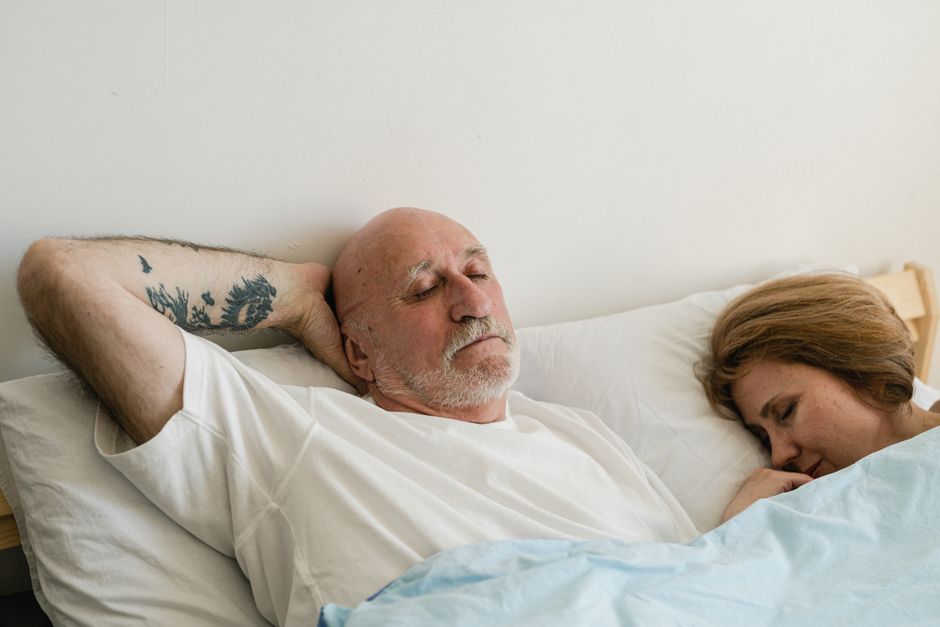
An ear infection can make sleep feel impossible. The pain often gets worse at night, and finding a comfortable position seems like a losing battle. The short answer is that you should sleep on the side opposite the infected ear. If your right ear hurts, sleep on your left side. This keeps pressure off the infected ear and allows gravity to help fluid drain from the ear canal rather than pool against the eardrum. This simple position change can noticeably reduce throbbing pain and help you rest.
Why Does Ear Infection Pain Get Worse at Night?
Ear pain often intensifies when you lie down. This is not imagined. When you are upright, fluid in the middle ear drains naturally through the eustachian tube, the small passage that connects the middle ear to the back of the throat.
When you lie flat, that drainage becomes harder. Fluid builds up behind the eardrum, increasing pressure. That increased pressure stretches the eardrum, which is highly sensitive to touch and pressure. The result is a deep, throbbing pain that can feel worse than the same infection felt during the day.
Blood flow also changes when you lie down. Your head is level with your heart, which increases blood pressure in the vessels around the ear. This adds to the sensation of pulsing and throbbing. Understanding this mechanism explains why position matters so much for sleep.
Which Side Should You Sleep On With an Ear Infection?
Sleep on the side opposite the infected ear. This is the clearest and most direct answer. If the infection is in your left ear, sleep on your right side. If it is in your right ear, sleep on your left side.
This works for two reasons. First, it keeps direct physical pressure off the infected ear. The weight of your head on a pillow presses against the outer ear and the area around it. When that area is inflamed and tender, any pressure adds to the pain.
Second, sleeping with the infected ear facing upward helps fluid drain. Gravity pulls fluid away from the eardrum and toward the eustachian tube. This reduces pressure inside the middle ear. Less pressure means less pain.
Some people find that elevating the head with an extra pillow helps as well. This keeps the eustachian tube in a more favorable position for drainage. Combining elevation with sleeping on the unaffected side is often the most comfortable approach.
What If Both Ears Are Infected?
Bilateral ear infections, where both ears are infected at the same time, are more challenging. You cannot sleep on both sides at once. In this case, choose the ear that feels less painful and sleep on the opposite side. This at least keeps the worse ear free from direct pressure.
Elevating your head becomes more important when both ears are infected. Using two or three pillows to keep your head raised can help fluid drain from both ears simultaneously. Some people find sleeping in a recliner or on a wedge pillow provides the most relief during a bilateral infection.
If the pain is severe in both ears, position alone may not be enough. Over-the-counter pain relievers taken according to the label instructions can help you get through the night. Always follow the dosing directions on the package and do not exceed the recommended amount.





What Type of Ear Infection Do You Have?
Not all ear infections are the same, and the type matters for sleep positioning. Otitis media is an infection of the middle ear, the space behind the eardrum. This is the most common type, especially in children. Sleeping on the unaffected side helps here because it assists fluid drainage from the middle ear.
Otitis externa, commonly called swimmer’s ear, is an infection of the ear canal itself. This is the tube that leads from the outer ear to the eardrum. With this type, the pain is often triggered by touching the outer ear or by moving the jaw. Sleeping on the unaffected side still helps, but for a different reason — it simply avoids pressure on an inflamed ear canal.
If you are not sure which type of ear infection you have, position yourself the same way. Sleeping on the unaffected side is the safest and most comfortable choice for either type. It does not worsen either condition.
Are There Other Sleep Positions That Help?
Back sleeping is an option for some people. Lying on your back keeps pressure off both ears. However, it does not help gravity drain fluid as effectively as side sleeping. If you are a natural back sleeper and the pain is mild, this position may work for you.
Stomach sleeping is the least helpful position. It keeps your head turned to one side for long periods, which can strain the neck and may put pressure on the infected ear. It also flattens the natural curve of the cervical spine, which can create additional discomfort.
For most people, the best approach is a combination: sleep on the unaffected side with the head slightly elevated. This maximizes drainage while minimizing pressure. A body pillow can help you maintain this position through the night if you tend to roll over during sleep.
When Should You See a Doctor for an Ear Infection?
Sleep position is a comfort measure, not a treatment. Ear infections can clear on their own, but some require medical care. You should see a doctor if the pain is severe, lasts more than a few days, or is accompanied by a fever. Discharge of fluid or pus from the ear also warrants a medical evaluation.
For children, the guidance is more cautious. A child under six months with signs of an ear infection should see a doctor promptly. Older children with mild symptoms can often be monitored for a day or two, but persistent pain or fever should be evaluated.
Some research suggests that many ear infections resolve without antibiotics. The body’s immune system can fight off the infection on its own. However, this does not mean you should avoid medical care. A doctor can confirm the diagnosis, rule out more serious conditions, and decide whether antibiotics are appropriate. Do not delay care if symptoms are severe or worsening.
Can You Prevent Ear Infections From Getting Worse at Night?
You cannot always prevent an ear infection, but you can reduce the risk of complications. Keeping the head elevated during sleep is the most effective nighttime measure. This is a simple step that supports natural drainage and reduces pressure buildup.
Avoid inserting anything into the ear, including cotton swabs. This can push debris deeper, irritate the ear canal, and potentially worsen an infection. If you use ear drops, warm them slightly by holding the bottle in your hand for a few minutes before use. Cold drops can cause dizziness when they contact the eardrum.
If you have allergies or a cold, treating those underlying conditions may help. Congestion and inflammation can block the eustachian tube, creating the conditions for an ear infection to develop. Managing nasal congestion can reduce the chance that an upper respiratory infection spreads to the ear.
Frequently Asked Questions
Can sleeping on the infected ear make the infection worse?
Sleeping on the infected ear does not make the infection itself worse, but it increases pain by adding pressure to the inflamed area. It can also slow fluid drainage, which prolongs the feeling of fullness and throbbing.
How long should I sleep on the opposite side?
Sleep on the opposite side until the pain subsides, which usually takes a few days with proper treatment. Continue this position as long as the ear feels tender or full.
Is it safe to use a heating pad on an ear infection at night?
A warm compress can soothe ear pain, but do not use a heating pad while sleeping due to burn risk. Apply it for 10 to 15 minutes before bed instead.
Can I take pain relievers before bed for an ear infection?
Over-the-counter pain relievers such as acetaminophen or ibuprofen can help you sleep, but follow the dosing instructions on the label exactly. Do not give aspirin to children or teenagers due to the risk of Reye’s syndrome.
