
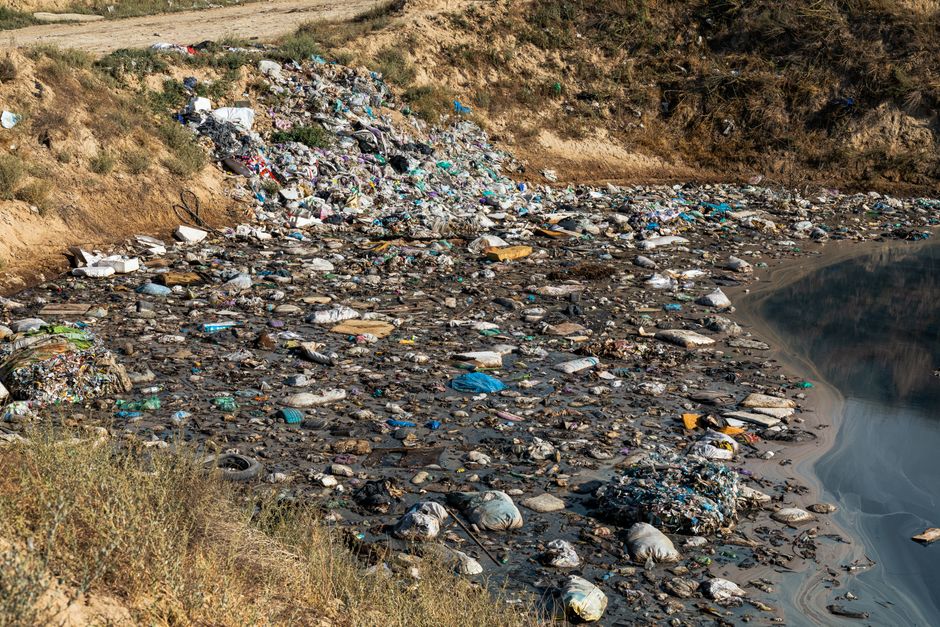
Land pollution happens when human activity leaves the ground worse than it found it — with chemicals, waste, or physical damage that can last for decades. It comes from many places, but a few sources do most of the damage. The biggest sources of land pollution are industrial activity, agriculture, improper waste disposal, mining, and urban development.
That list surprises some people. We tend to picture litter or a single oil spill. In reality, the largest contributors are the systems that feed, supply, and house us. This article breaks down each source, explains how the pollution actually happens, and looks at what the evidence does and does not tell us about long-term harm.
Which Is A Source Of Land Pollution Key Examples?
Industrial activity is the largest single source of land pollution worldwide. Factories release heavy metals, solvents, and chemical byproducts that settle into soil, often near where people live and work.
Agriculture is the second major source. Excess fertilizer, pesticides, and animal waste contaminate soil across huge areas of farmland. Unlike a factory, this pollution is spread thin across millions of acres, which makes it harder to see but not less real.
Other key examples include:
- Mining operations that expose rock and leave behind tailings containing heavy metals
- Landfills and illegal dumping of household and industrial waste
- Oil and gas extraction, including spills and produced water
- Construction and urban runoff carrying sediment and chemicals
- Improper disposal of electronic waste, which leaches lead and mercury
These sources are not equal in scale. Industry and agriculture together account for the majority of contaminated land in most countries that track it. The others matter, but they are smaller contributors by volume.
How Does Industrial Activity Contaminate Soil?
Industry contaminates soil in three main ways: direct release, airborne deposition, and improper storage.
Direct release is the most obvious. A factory pipe discharges chemicals onto land or into a holding pond that leaks. Airborne deposition is quieter. Smokestacks release particles containing lead, arsenic, and other metals that travel with wind and settle onto soil miles away. Over years, these metals build up in the top layer of soil where plants grow.
Improper storage is common at older sites. Drums, tanks, and lagoons that were never designed to last decades eventually corrode and leak. This is why many contaminated sites are discovered only after the damage is done.
Heavy metals do not break down. Unlike many organic chemicals, lead, cadmium, and mercury persist in soil indefinitely. They can bind to soil particles or remain mobile, depending on soil chemistry. Either way, they do not disappear.
A non-obvious point: soil contamination is often invisible. Contaminated soil usually looks and smells normal. You cannot tell by looking at it. That is why testing is required to confirm contamination, and why problems are frequently found only when land is redeveloped or a health issue is investigated.
How Does Agriculture Pollute Land?
Agriculture pollutes land mainly through fertilizer runoff, pesticide use, and concentrated animal waste. The scale is enormous because farmland covers so much of the planet.
Nitrogen and phosphorus fertilizers are applied to boost crop growth. Plants take up only part of what is applied. The rest stays in the soil or washes into waterways. Over time, excess nutrients can change soil chemistry and contribute to problems far downstream, including algal blooms that create low-oxygen “dead zones” in coastal waters.
Pesticides and herbicides are designed to kill living things. That is their purpose. The concern is that many persist in soil and can affect non-target organisms, including soil microbes and insects that are important for soil health. Some older pesticides, such as certain organochlorines, were banned in many countries precisely because of their persistence and toxicity. They can still be detected in soil decades later.
Concentrated animal feeding operations produce large volumes of manure and urine in a small area. When this waste is applied to fields beyond what the soil can absorb, nutrients and pathogens can leach into groundwater or run off into surface water. Manure also contains traces of antibiotics and hormones used in livestock, though the long-term soil effects of these residues are still being studied.
The evidence on agriculture’s soil impacts is strong for nutrient loading and pesticide persistence. The evidence on some emerging concerns — like microplastics from agricultural films and the long-term effects of antibiotic residues in soil — is more limited. Researchers are actively studying these areas, but the picture is not complete.





What Role Does Waste Disposal Play In Land Pollution?
Waste disposal contributes to land pollution through landfills, illegal dumping, and electronic waste.
Modern sanitary landfills are engineered to contain waste and collect leachate — the liquid that drains from decomposing trash. When they work as designed, they limit pollution. When they leak, or when older unlined landfills are exposed to rain, leachate can carry heavy metals, solvents, and other contaminants into soil and groundwater.
Illegal dumping is a persistent problem. Construction debris, tires, household chemicals, and industrial waste are sometimes dumped on vacant land or in unregulated sites to avoid disposal costs. These sites often go undetected for years.
Electronic waste is a growing concern. Old electronics contain lead, mercury, cadmium, and flame retardants. When they are dumped rather than properly recycled, these substances can leach into soil. In many parts of the world, e-waste is informally processed — burned or dismantled in the open — which releases toxic compounds directly onto land.
Household hazardous waste is a smaller but real contributor. Paint, batteries, motor oil, and solvents that are poured onto the ground or into storm drains end up in soil. A single quart of motor oil can contaminate a large volume of soil and water, though the exact figure varies by soil type and conditions.
How Do Mining And Extraction Affect Land?
Mining disturbs land more directly than almost any other activity. It removes vegetation, displaces soil, and exposes rock that may contain heavy metals and other contaminants.
Tailings are the leftover material after ore is processed. They often contain arsenic, lead, mercury, and other metals. When stored in ponds or piles, they can leach into surrounding soil and water. Tailings dam failures have caused some of the most severe environmental disasters on record.
Acid mine drainage is another major issue. When certain rocks are exposed to air and water during mining, they can produce sulfuric acid. This acid dissolves metals from surrounding rock and carries them into soil and waterways. Acid mine drainage can continue for centuries after a mine closes.
Oil and gas extraction also affects land. Spills, leaks, and the disposal of produced water — a byproduct of drilling — can contaminate soil with hydrocarbons and salts. Salt contamination can make soil unsuitable for plant growth for years.
The scale of mining impacts is well documented. What is less certain is how well remediation works over the long term. Some cleanup methods are effective in the short term but require ongoing monitoring. The evidence on long-term success is mixed and depends heavily on the site and the contaminants involved.
Can Land Pollution Be Cleaned Up?
Land pollution can be cleaned up, but the process is slow, expensive, and often incomplete. There is no single method that works for every contaminant or every site.
Common approaches include:
- Excavation and removal of contaminated soil, which is effective but costly and requires a place to put the soil
- Soil washing, which uses liquids to separate contaminants from soil particles
- Chemical treatment to neutralize or immobilize contaminants
- Phytoremediation, which uses plants to take up or break down certain contaminants
- Bioremediation, which uses microorganisms to degrade organic pollutants
Excavation and removal is the most reliable method for heavy metals, but it simply moves the problem elsewhere. Phytoremediation and bioremediation are lower-cost and less disruptive, but they work slowly and are not effective for all contaminants. Heavy metals cannot be broken down by plants or microbes — they can only be taken up and removed, which limits how much can be cleaned.
Regulatory frameworks exist in many countries to identify and remediate contaminated sites. In the United States, the Superfund program addresses the most severely contaminated sites. Cleanup timelines are often measured in decades, not years. The evidence on whether remediation reduces human health risks is strongest for direct exposure pathways, like soil ingestion by children. For other pathways, the evidence is less clear.
What Are The Health Risks Of Land Pollution?
Health risks from land pollution depend on the contaminant, the route of exposure, and who is exposed. The strongest evidence links heavy metals in soil to neurological and developmental harm, especially in children.
Lead is the most studied. Children who ingest lead-contaminated soil — through hand-to-mouth behavior or playing in dirt — can absorb lead into their bodies. Lead exposure in children is associated with reduced cognitive development and behavioral problems. There is no known safe blood lead level in children, though the exact relationship between soil lead and blood lead varies with soil conditions and behavior.
Other metals like arsenic and cadmium are associated with cancer and organ damage at high exposure levels. The risk from low-level chronic exposure is harder to quantify and remains an area of active research.
Organic pollutants like certain pesticides and industrial chemicals have been linked to hormonal effects and other health outcomes in some studies. The evidence is mixed for many of these compounds, and exposure levels in the general population are typically much lower than in occupational settings.
Direct exposure through soil ingestion, inhalation of dust, or consumption of plants grown in contaminated soil are the main pathways. Groundwater contamination is a separate concern that can affect drinking water supplies.
What is clear: the people most at risk are those who live near contaminated sites, work in affected industries, or rely on affected land for food or water. What is less clear: the precise health effects of long-term, low-level exposure to many contaminants. The honest position is that the evidence is strong for some contaminants and limited for others.
What Can Reduce Land Pollution?
Reducing land pollution requires action at multiple levels — industrial, agricultural, and individual.
At the industrial level, stronger regulation and enforcement of waste disposal and emissions standards are the most direct levers. Many countries have improved air and water quality through regulation, and similar approaches apply to soil. The challenge is that soil contamination is harder to monitor and slower to show results.
In agriculture, practices like precision fertilizer application, integrated pest management, and buffer strips along waterways can reduce runoff. These practices are supported by research, though adoption varies widely.
At the individual level, the most impactful actions are proper disposal of hazardous waste and electronics, reducing unnecessary chemical use, and supporting policies that hold polluters accountable. Individual actions matter, but they are small compared to industrial and agricultural sources. The honest framing is that personal choices help at the margins, while systemic change drives the biggest reductions.
Remediation of existing contamination is also part of the picture. Cleaning up legacy sites reduces ongoing exposure and can restore land for productive use. The evidence on remediation effectiveness is strongest for direct exposure pathways and less clear for broader ecosystem effects.
Frequently Asked Questions
What is the biggest source of land pollution?
Industrial activity is the largest single source of land pollution worldwide. Agriculture is the second major source, particularly through fertilizer and pesticide runoff.
Is litter a major cause of land pollution?
Litter contributes to land pollution but is a much smaller source than industry, agriculture, or mining. It matters most in urban areas and waterways, where it can harm wildlife and clog drainage systems.
Can land pollution be reversed?
Land pollution can be reduced and in some cases cleaned up, but reversal is often partial and slow. Heavy metals do not break down, so they must be removed or immobilized, which is expensive and not always fully effective.
How does land pollution affect human health?
Health effects depend on the contaminant and exposure route. The strongest evidence links lead and other heavy metals in soil to neurological and developmental harm, especially in children.
