
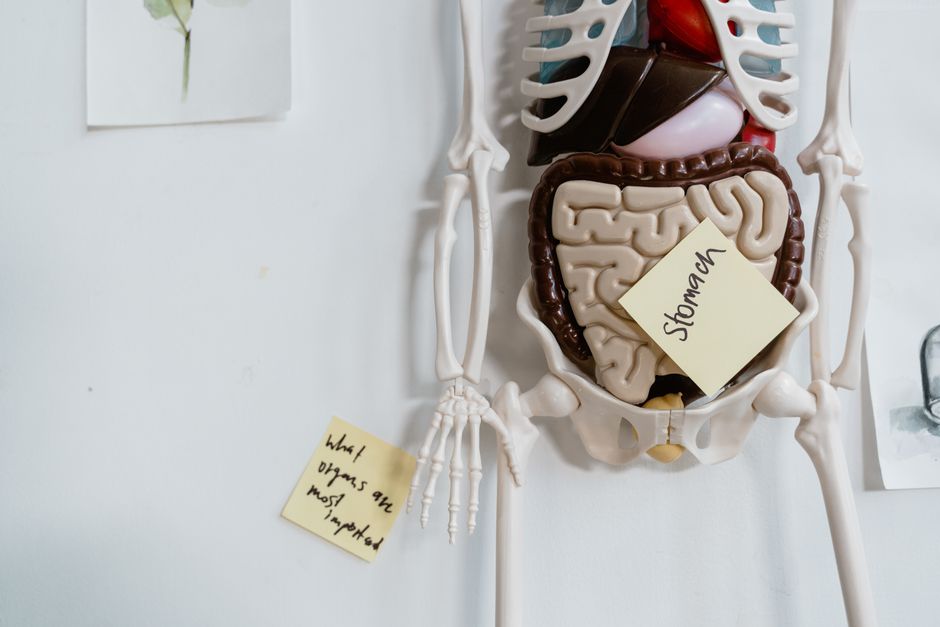
Improving your gut health comes down to a few well-studied habits: eating more fiber from whole plant foods, adding fermented foods to your diet, and limiting ultra-processed foods. Research consistently shows these steps change the balance of bacteria in your digestive tract in ways that support digestion and overall health. You do not need expensive tests or complicated protocols—the evidence points to consistent, everyday food choices as the most reliable approach.
What Does Gut Health Actually Mean?
Gut health refers to the balance of microorganisms living in your digestive tract. This community—mostly bacteria, plus viruses, fungi, and other microbes—is called the gut microbiome. You have trillions of these organisms, and they influence digestion, nutrient absorption, and immune function.
When people talk about a “healthy” gut, they usually mean a diverse microbiome with a good balance of beneficial bacteria. Diversity matters. Studies have found that people with a wider variety of gut bacteria tend to have better metabolic health and lower levels of inflammation. A less diverse microbiome is more common in people with certain chronic conditions, though researchers are still working out exactly how cause and effect work here.
Your gut lining also plays a role. It acts as a barrier, letting nutrients pass into your bloodstream while keeping out harmful substances. This barrier function is part of gut health too, though it gets less attention in popular discussions than the microbiome itself.
How Do I Improve My Gut Health With Food?
The single most consistent finding in gut research is that what you eat shapes your microbiome. The strongest evidence points to two dietary patterns: eating more fiber and eating fermented foods.
Fiber is fuel for beneficial gut bacteria. When these bacteria digest fiber, they produce short-chain fatty acids—compounds that nourish the cells lining your colon and help regulate inflammation. This is one of the best-established mechanisms in gut health research. The bacteria that produce these fatty acids tend to thrive in people who eat a plant-rich diet.
Good fiber sources include beans, lentils, oats, barley, whole grains, fruits, vegetables, nuts, and seeds. The current dietary guidance for adults is about 25 to 30 grams of fiber per day, but most Americans get roughly half that amount. Increasing fiber gradually—and drinking enough water—can reduce the bloating and gas that sometimes come with a sudden increase.
Fermented foods are the other major dietary lever. Yogurt with live cultures, kefir, sauerkraut, kimchi, miso, and kombucha all contain live microorganisms. Some research suggests that regularly eating these foods increases microbial diversity in the gut. One notable study found that a diet rich in fermented foods increased microbiome diversity and reduced markers of inflammation over several weeks.
Not all fermented foods are equal. Pasteurized products and those with added sugar offer less benefit. Look for labels that mention live or active cultures.
What Role Do Probiotics and Prebiotics Play?
Probiotics are live microorganisms that, when consumed in adequate amounts, may provide a health benefit. Prebiotics are types of fiber that feed the beneficial bacteria already in your gut.
The evidence on probiotics is mixed. Some specific strains have shown benefit for particular conditions—such as certain types of diarrhea or antibiotic-associated digestive upset. But probiotics are not a one-size-fits-all solution. Different strains do different things, and a product that helps one person may do nothing for another. There is no strong evidence that a general probiotic supplement meaningfully improves gut health in healthy people who already eat well.
Prebiotics are more straightforward. Foods like garlic, onions, leeks, asparagus, bananas, and oats contain prebiotic fibers that feed beneficial bacteria. Eating these foods regularly is a reliable way to support your microbiome. You do not need a supplement to get prebiotics—whole foods provide them naturally.
Some research suggests that consuming probiotics alongside prebiotics—sometimes called synbiotics—may be more effective than either alone. But the evidence here is still developing, and food sources remain the safest, most proven approach.





Does Exercise Affect Gut Health?
Physical activity appears to influence the gut microbiome, though the research is less developed than the diet research. Some studies have found that people who exercise regularly have greater microbial diversity than sedentary people. One line of research suggests that exercise promotes the growth of bacteria that produce butyrate, a short-chain fatty acid important for colon health.
The problem is that exercise studies are hard to separate from diet. People who exercise regularly often eat differently than people who do not. Researchers have tried to control for this, and some studies still show an independent effect of exercise. But the evidence is not as strong as the dietary evidence.
What is clear is that regular physical activity supports overall digestive function. It helps maintain healthy bowel movements and reduces the risk of constipation. The current guidance for adults is at least 150 minutes of moderate-intensity aerobic activity per week, along with muscle-strengthening activities on two or more days. This level of activity is consistent with better overall health, and some research suggests it supports microbiome diversity as well.
How Does Sleep and Stress Affect the Gut?
Your gut and your brain communicate constantly through the vagus nerve and through chemical signals. This connection means that sleep quality and stress levels can affect your digestive system.
Poor sleep has been linked to changes in the gut microbiome. Some studies show that even short-term sleep disruption can alter the composition of gut bacteria. The relationship appears to be bidirectional—gut health can influence sleep quality, and sleep affects the gut.
Stress affects gut function through several pathways. Stress hormones can change gut motility, increase intestinal permeability, and shift the balance of gut bacteria. This is why digestive symptoms often flare during stressful periods.
The practical takeaway is that sleep and stress management are part of gut health, but they work alongside diet rather than replacing it. Prioritizing seven to nine hours of sleep per night and finding effective ways to manage stress—whether through exercise, meditation, therapy, or other methods—supports your digestive system. These habits do not override a poor diet, but they are a meaningful part of the overall picture.
What About Antibiotics and Medications?
Antibiotics save lives, but they also disrupt the gut microbiome. They kill harmful bacteria causing an infection, but they also kill beneficial bacteria in the process. Most people’s microbiomes recover within weeks or months after a course of antibiotics, but some research suggests the microbiome may not fully return to its previous state.
This does not mean you should avoid antibiotics when you need them. It means that after a course of antibiotics, supporting your gut with fiber-rich foods and fermented foods is a reasonable step. Some clinicians recommend a probiotic during or after antibiotic treatment, particularly for preventing antibiotic-associated diarrhea. Evidence for this use is stronger than for general probiotic use in healthy people.
Other medications can affect the gut too. Proton pump inhibitors, used for acid reflux, reduce stomach acid and can change the gut environment. Nonsteroidal anti-inflammatory drugs like ibuprofen can irritate the gut lining. If you take these medications regularly, talk to your doctor about whether your gut health needs attention.
Are Expensive Gut Health Tests Worth It?
Direct-to-consumer gut microbiome tests are widely marketed. They analyze a stool sample and tell you which bacteria are present. Some also make recommendations based on your results.
The honest answer is that the science is not there yet. Microbiome testing can identify what bacteria are present, but researchers do not yet know what a “good” or “bad” microbiome looks like for any given person. Two healthy people can have very different microbiomes. The test results cannot tell you whether your gut is healthy or predict your risk of disease.
These tests also have practical limitations. Your microbiome changes day to day based on what you eat, so a single sample is a snapshot, not a full picture. Different testing companies can return different results for the same sample. The recommendations these companies provide are not based on established clinical guidelines.
If you have persistent digestive symptoms—bloating, pain, diarrhea, constipation—see a doctor rather than buying a test. A physician can evaluate you for conditions like irritable bowel syndrome, celiac disease, or inflammatory bowel disease. These are real medical conditions that require proper diagnosis, not a mail-in test.
How Long Does It Take to Improve Gut Health?
Changes in the gut microbiome can happen faster than many people expect. Research shows that dietary changes can shift the composition of gut bacteria within days. One study found that switching to a plant-based diet changed the microbiome within a few days, though the changes were not necessarily lasting once the diet reverted.
Microbial diversity may take longer to build. Some research suggests that sustained dietary changes over weeks to months are needed to see meaningful, lasting shifts in the overall community structure. The exact timeline varies from person to person based on their starting point, diet, and other factors.
The key is consistency. A single high-fiber meal does not transform your gut. A pattern of eating fiber-rich foods and fermented foods over time does. There is no specific timeline that applies to everyone, but most people who stick with these changes notice digestive improvements within a few weeks.
Frequently Asked Questions
What is the fastest way to improve gut health?
Increasing fiber and adding fermented foods to your diet are the most evidence-based steps. Some changes in gut bacteria can occur within days, but lasting improvements take weeks of consistent eating.
Should I take a probiotic supplement for gut health?
Probiotic supplements are not necessary for most healthy people who eat a varied diet. They may help in specific situations, such as preventing antibiotic-associated diarrhea, but the evidence for general use is limited.
Can drinking more water improve gut health?
Adequate hydration supports regular bowel movements and helps fiber do its job. Water alone does not change the microbiome, but it is necessary for the digestive process to work properly.
Is yogurt good for gut health?
Yogurt with live active cultures contains beneficial bacteria and is a reasonable part of a gut-healthy diet. Choose plain yogurt without added sugar, since excess sugar feeds less desirable bacteria.
