
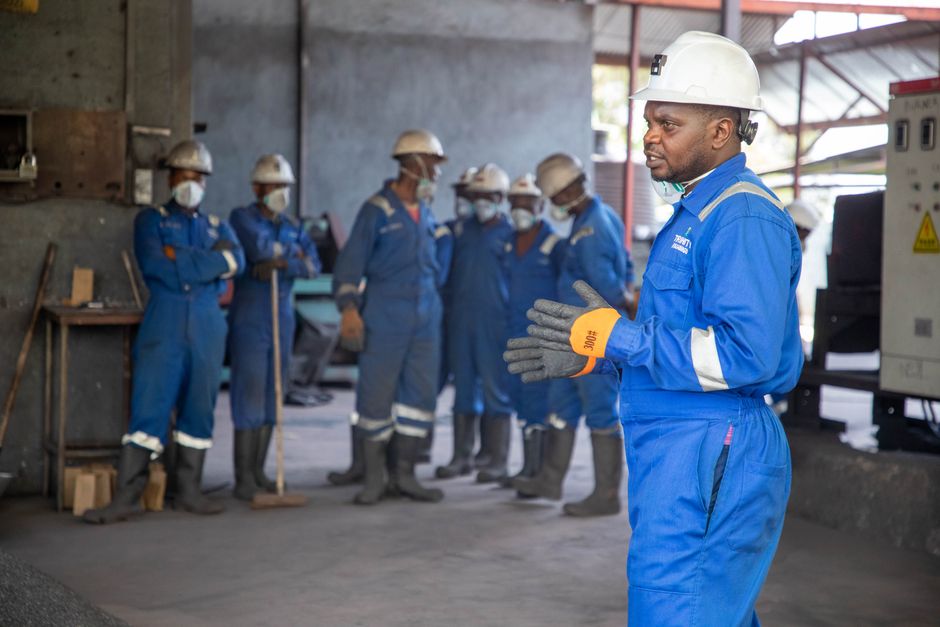
Asbestos medical examinations are not for every worker. They are required for employees who face specific, documented exposure to asbestos fibers during their job. If your work involves disturbing asbestos-containing materials, or if you work in certain high-risk industries like construction, shipbuilding, or demolition, your employer is likely legally required to provide this examination. The goal is to catch early signs of asbestos-related disease, even if you feel completely healthy.
What Is an Asbestos Medical Examination?
An asbestos medical examination is a targeted health screening. It is not a general physical. It focuses on the lungs and the respiratory system because asbestos fibers primarily damage these areas when inhaled.
The exam typically includes a detailed medical history and a breathing questionnaire. Your doctor will ask about your work history, how long you may have been exposed, and whether you smoke. A physical exam focuses on your chest and lungs. The core of the exam is a pulmonary function test, which measures how well your lungs move air in and out.
A chest X-ray is also a standard part of this examination. The X-ray looks for pleural plaques, thickening of the lung lining, or other signs of scarring. These are the hallmark signs of asbestos exposure.
Which Employees Need an Asbestos Medical Examination?
The short answer is any employee who is exposed to asbestos fibers at or above the permissible exposure limit (PEL) for 30 or more days per year. The PEL is set at 0.1 fibers per cubic centimeter of air over an 8-hour time-weighted average. This is the standard set by federal workplace safety regulations.
Employees who wear negative-pressure respirators to protect against asbestos must also be examined. The exam ensures they are physically fit to wear that equipment. A poorly fitted respirator or a lung condition that makes breathing harder can increase risk.
Workers in specific trades are more likely to fall into this category. This includes insulators, demolition workers, shipyard workers, and construction workers who remove or repair materials containing asbestos. It also includes workers who handle asbestos waste or who clean up after asbestos abatement projects.
Which Industries and Job Roles Are Most Affected?
Some industries have a much higher percentage of workers who need this exam. The construction industry is a major one. Renovation and demolition of older buildings often disturb asbestos in roofing, flooring, and pipe insulation.
Shipbuilding and ship repair are historically high-risk fields. Older ships used asbestos extensively for fireproofing and insulation. Workers who cut, sand, or remove these materials face direct exposure.
Manufacturing is another sector. Workers who make asbestos-containing products, or who work in plants where asbestos is a byproduct, may need regular exams. This includes some automotive brake and clutch repair workers, though modern products rarely contain asbestos.
Utility workers and maintenance staff in older facilities can also qualify. Boiler rooms, power plants, and chemical plants built before the 1980s often contain asbestos insulation that degrades over time.





Who Pays for the Asbestos Medical Examination?
The employer pays for the examination. This is not optional. Federal regulations require the employer to cover the full cost of the medical exam, including the chest X-ray and pulmonary function test.
The employer must also pay for the exam at no cost to the employee. You cannot be charged a co-pay or any fee. The exam must be provided at a reasonable time and place. Typically, this means during working hours or at a location that does not require you to travel far.
Your employer is also required to give you a written copy of the physician’s opinion. This report must state whether you have any medical conditions that would increase the risk of asbestos exposure. It must also state whether you are fit to wear a respirator. The employer receives a separate report that does not include your private medical history.
How Often Do You Need the Examination?
The examination is required annually. This means once every 12 months, as long as the exposure conditions continue. The annual schedule is designed to catch changes early because asbestos-related diseases often take decades to appear.
The annual exam must also be provided within 30 days of a new assignment that involves asbestos exposure. If you transfer to a new role with asbestos exposure, you get a baseline exam before or shortly after starting.
There is also a termination exam. When your employment ends, your employer must offer a final medical examination. This is important because it documents your health status at the time you leave. Years later, if you develop an asbestos-related illness, this record helps establish when exposure may have occurred.
What Conditions Does the Exam Screen For?
The examination screens for asbestosis, which is scarring of lung tissue. This condition makes it progressively harder to breathe. It also screens for pleural disease, which involves thickening or calcification of the lining around the lungs.
The exam looks for lung cancer and mesothelioma. Mesothelioma is a rare cancer of the lining of the chest or abdomen that is almost exclusively caused by asbestos exposure. These cancers typically develop 20 to 50 years after first exposure.
The exam does not diagnose these conditions. It screens for them. If the X-ray or breathing tests show something abnormal, your doctor will order follow-up tests. These might include a CT scan, more detailed lung function tests, or a referral to a pulmonologist.
What If Your Employer Does Not Offer the Exam?
If you work with asbestos and your employer has not offered a medical examination, you should raise the issue. Start with your supervisor or the human resources department. Some employers simply overlook this requirement.
If the employer still does not provide the exam, you can file a complaint with the Occupational Safety and Health Administration (OSHA). OSHA enforces the asbestos standard. A complaint can be filed confidentially, and OSHA will investigate.
You can also request your medical records from any previous employer who exposed you to asbestos. You have a legal right to these records. They may show whether you had a baseline exam and what your lung health was at that time.
What About Workers Who Had Past Exposure?
Workers who were exposed to asbestos in the past but no longer work with it may still need monitoring. The risk of disease does not disappear when exposure stops. In fact, the risk can continue to rise for decades.
If you had significant past exposure, talk to your doctor about getting a baseline chest X-ray and pulmonary function test. Some medical organizations recommend periodic screening for people with a history of substantial exposure, even if they are no longer in the workplace.
Smoking dramatically increases the risk of lung cancer in people with asbestos exposure. If you have past exposure and you smoke, stopping smoking is the single most effective step you can take to reduce your risk.
Frequently Asked Questions
Do all construction workers need an asbestos medical exam?
No. Only those who are exposed to asbestos at or above the permissible exposure limit for 30 or more days per year need the exam. General construction workers who do not disturb asbestos-containing materials do not qualify.
Can I request an asbestos medical exam on my own?
Yes, you can ask your personal doctor for a chest X-ray and pulmonary function test. However, the employer is only required to pay for the exam if you meet the specific exposure criteria.
What happens if the exam finds an abnormality?
Your doctor will recommend follow-up testing, which may include a CT scan or referral to a lung specialist. The employer cannot retaliate against you for having an abnormal finding, and the physician’s report to the employer is limited to fitness-for-duty information.
