
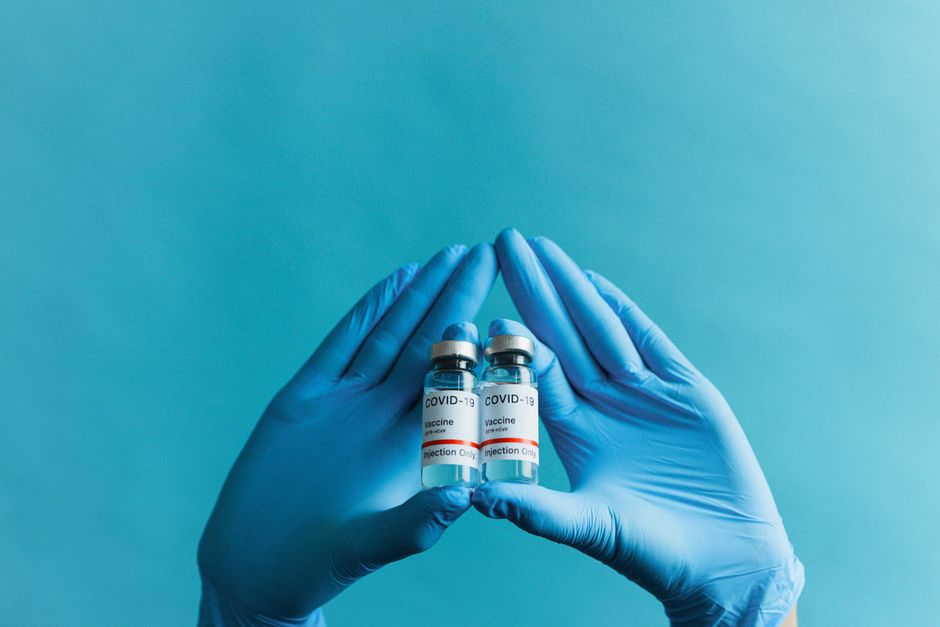
The question of which Covid vaccine is better for you right now does not have one universal answer. The best choice depends on your age, your health status, and what vaccines are available at your local pharmacy or clinic. Current evidence shows that all authorized vaccines provide strong protection against severe illness, hospitalization, and death, though their effectiveness and side effect profiles differ slightly.
What Vaccines Are Currently Available?
The Covid vaccine landscape has changed significantly since the original shots were introduced. The original monovalent vaccines have been replaced by updated formulations designed to target newer variants of the virus. These updated vaccines are often called bivalent or monovalent updated shots, depending on the specific strain they target.
In the United States, the currently available vaccines are manufactured by Pfizer-BioNTech, Moderna, and Novavax. All three have been authorized for use and have undergone rigorous safety and effectiveness evaluations. The mRNA vaccines from Pfizer and Moderna work by teaching your cells to produce a harmless piece of the spike protein, which triggers an immune response. The Novavax vaccine uses a more traditional protein-based technology that has been used in vaccines for decades.
The specific formulation available to you will depend on your location and the current supply at your local providers. Most pharmacies and clinics carry at least one of these options, and many carry two or all three.
Which Covid Vaccine Is Better For You Right Now Based on Age?
Age is one of the most important factors in vaccine selection because immune response and risk profiles change as we get older. For older adults, particularly those over 65, the mRNA vaccines from Pfizer and Moderna have demonstrated strong protection against severe outcomes in clinical studies and real-world data.
Adults under 65 generally have robust immune responses to all three available vaccines. The differences in effectiveness between the vaccines in this age group are small and unlikely to be clinically meaningful for most people. What matters more is that you receive an updated vaccine that matches currently circulating variants.
For children and adolescents, the mRNA vaccines are the most widely studied and recommended options. The dosing schedules for younger age groups differ from adults, and your pediatrician or local health department can provide specific guidance based on your child’s age.
How Does Your Health Status Affect Vaccine Choice?
Your personal health history plays a significant role in determining which vaccine may be better for you. People with weakened immune systems, including those undergoing cancer treatment, organ transplant recipients, and individuals with certain autoimmune conditions, may benefit from specific vaccine types based on their current medications and treatment plans.
If you have a history of allergic reactions to vaccine components, particularly polyethylene glycol or polysorbate, your doctor may recommend one vaccine over another. The Novavax vaccine does not contain mRNA or polyethylene glycol, which makes it an option for people who have experienced allergic reactions to the mRNA vaccines.
People with a history of myocarditis or pericarditis should discuss their vaccine options with their healthcare provider. While these conditions are rare, they have been associated with the mRNA vaccines, particularly in younger males. Your doctor can help you weigh the risks and benefits based on your specific situation.





What Are the Key Differences in Side Effects?
Side effect profiles differ slightly between the available vaccines, and this can influence personal preference. The mRNA vaccines from Pfizer and Moderna are associated with more frequent short-term side effects like injection site pain, fatigue, headache, and muscle aches. These side effects typically resolve within one to two days.
The Novavax vaccine generally produces fewer systemic side effects in clinical trials. Some people report less fatigue and fewer muscle aches after receiving Novavax compared to the mRNA vaccines. However, individual responses vary widely, and you cannot predict exactly how your body will react to any vaccine.
Serious side effects from any of the authorized vaccines are extremely rare. Anaphylaxis, a severe allergic reaction, occurs in approximately 2 to 5 people per million doses of the mRNA vaccines. The risk of vaccine-induced blood clotting issues, which was associated with the Johnson and Johnson vaccine, is not a concern with the currently available options since that vaccine is no longer distributed in the United States.
How Effective Are the Updated Vaccines Against Current Variants?
The updated vaccines were designed to target the Omicron variants that have been dominant in recent years. Real-world data collected since these updates were introduced shows that they provide meaningful protection against infection and strong protection against severe disease.
Protection against infection wanes over time, which is why updated boosters are recommended periodically. Protection against severe illness, hospitalization, and death remains more durable and lasts longer. Studies have consistently shown that being vaccinated and up to date on boosters significantly reduces your risk of dying from Covid-19 compared to being unvaccinated.
Some research suggests that the immune response generated by the Novavax vaccine may offer slightly broader cross-reactivity against different variants, but this finding is not definitive. The practical differences in protection between the vaccines are small, and all provide excellent protection against the outcomes that matter most.
Is Mixing Vaccines Safe and Effective?
Mixing different vaccine brands for your primary series and boosters is safe and has been studied extensively. Research has shown that mixing mRNA vaccines produces robust immune responses, and some studies suggest that heterologous boosting, receiving a different vaccine than your initial series, may generate a broader immune response.
This flexibility means you do not need to stick with the same brand for every dose. If you received Pfizer for your primary series but Moderna is the only updated vaccine available at your local pharmacy, it is safe and appropriate to receive Moderna as your booster. The same applies if you received an mRNA vaccine and want to receive Novavax for your next dose.
Your healthcare provider can help you determine the best schedule based on your vaccination history and current recommendations. The important thing is to stay current with recommended doses rather than delaying vaccination while waiting for a specific brand.
What Should You Consider When Making Your Decision?
The most important factor in your decision should be availability and convenience. Receiving any authorized updated vaccine promptly is better than waiting for a specific brand that may not be available in your area. The protection offered by all three options is substantial and the differences between them are minor for most people.
If you have specific health concerns, a history of allergic reactions, or personal preferences about vaccine technology, discuss these with your healthcare provider. They can provide personalized recommendations based on your medical history and the most current clinical guidance.
For most healthy adults, the best vaccine is the one you can get soonest. The public health goal is to maintain high levels of protection in the population, and all authorized vaccines contribute to this goal effectively.
Frequently Asked Questions
Can I choose which Covid vaccine I receive?
Yes, you can generally express a preference for a specific vaccine brand at most pharmacies and clinics.
However, availability varies by location, and your provider may only stock certain brands at any given time.
Is the Novavax vaccine safer than the mRNA vaccines?
The Novavax vaccine has a different side effect profile, with fewer systemic reactions reported in trials.
All authorized vaccines have strong safety records, and serious side effects are extremely rare with all three options.
Do I need a booster if I already had Covid recently?
Having had Covid provides some natural immunity, but vaccination still offers additional protection against severe illness.
Current guidance recommends waiting a few months after infection before receiving your next vaccine dose.
How long does protection from the updated vaccine last?
Protection against infection wanes over several months, but protection against severe disease lasts longer.
Staying current with recommended doses ensures you maintain the highest level of protection possible.
