
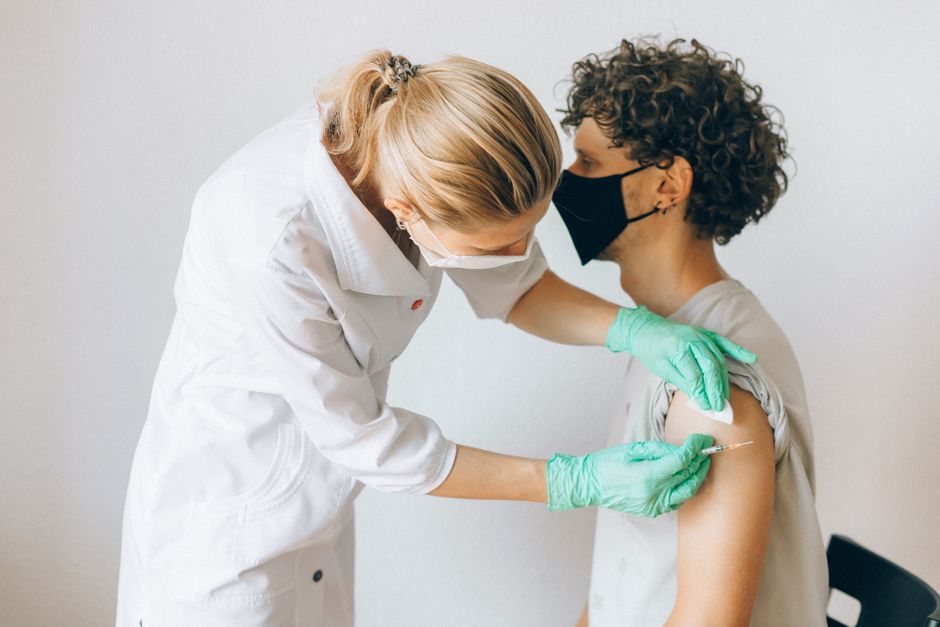
Rubella is a viral illness that most people know as German measles. The vaccine that prevents it, known as MMR, uses a live but weakened form of the virus. That single fact shapes who can safely receive it, how it works, and why timing matters for certain groups.
The rubella vaccine is a live attenuated vaccine, which means it contains a weakened version of the virus that cannot cause the disease in healthy people. Because it is live, it is not recommended during pregnancy or for people with severely weakened immune systems. For almost everyone else, it provides long-lasting protection that is considered one of the most reliable in modern medicine.
What Does It Mean That The Rubella Vaccine Is A Live Vaccine?
A live vaccine uses a weakened form of a germ to trigger an immune response. The rubella component of the MMR vaccine is made this way. Scientists took the rubella virus and weakened it over many generations in the lab until it could no longer cause illness in healthy people.
When this weakened virus enters the body, it reproduces a small amount. That limited reproduction is enough to teach your immune system to recognize and fight the real virus later. Inactivated vaccines, by contrast, use a killed version of the germ. They tend to require more doses and sometimes need boosters to keep protection strong.
Live vaccines generally produce a strong, durable immune response. This is one reason two doses of MMR are enough for most people, while some other vaccines need repeated shots over time.
How live and inactivated vaccines differ
- Live attenuated: uses a weakened germ that multiplies briefly; usually produces long-lasting immunity with fewer doses
- Inactivated: uses a killed germ; often needs multiple doses or boosters
- Live vaccines and pregnancy: generally avoided because of theoretical risk to the fetus
- Live vaccines and immune suppression: often avoided because a weakened germ can still cause problems when immune defenses are low
How Does The Rubella Vaccine Work In The Body?
After the weakened virus is injected, it begins making copies of itself inside your cells. This triggers two arms of the immune system. The first is the innate response, your body’s quick, general defense. The second is the adaptive response, which is slower but highly specific.
The adaptive response produces antibodies tailored to the rubella virus. It also creates memory cells that stay in your body for years. If you ever encounter the real rubella virus, those memory cells recognize it fast and mount a defense before it can cause illness.
The weakened virus is cleared from the body fairly quickly in healthy people. It does not stay and cause ongoing infection. This is the key difference between a vaccine strain and the wild virus, which can spread through the body and cause symptoms like rash, fever, and swollen glands.
Who Should Not Get The Rubella Vaccine?
Because the vaccine is live, certain groups should not receive it. The main concern is that a live virus, even weakened, could cause problems in people whose immune systems cannot control it or in a developing fetus.
People who should generally avoid the rubella vaccine include:
- Pregnant women, or anyone who might be pregnant
- People with severely weakened immune systems from disease or certain treatments
- People who have had a serious allergic reaction to a previous dose or a vaccine ingredient
For pregnancy specifically, the guidance is to wait until after delivery to get vaccinated. Women are typically advised to avoid becoming pregnant for a short period after receiving a live vaccine. Your clinician can give you the exact timing based on current recommendations.
This is where the live nature of the vaccine matters most. An inactivated vaccine would not carry the same theoretical concern for a fetus, but rubella protection is only available as a live vaccine.



Why Is Rubella Especially Dangerous During Pregnancy?
Rubella is usually a mild illness in children and adults. The rash, low fever, and swollen glands typically pass without complications. The danger is concentrated in one situation: infection during early pregnancy.
When a pregnant woman becomes infected with rubella in her first trimester, the virus can cross the placenta and infect the developing fetus. This can lead to a group of serious problems known as congenital rubella syndrome, or CRS.
CRS can cause hearing loss, eye defects such as cataracts, heart defects, and developmental problems. The risk and severity are highest when infection happens early in pregnancy. Because of this, preventing rubella infection before pregnancy is the central goal of vaccination programs.
This is also why rubella vaccination is not just about protecting the person who gets the shot. It protects future pregnancies and, through herd immunity, helps shield people who cannot be vaccinated.
How Effective Is The Rubella Vaccine?
The rubella vaccine is highly effective at preventing rubella. A single dose produces immunity in a large majority of people, and two doses provide protection for the vast majority. Public health authorities consider two doses of MMR to be the standard schedule.
Immunity from the vaccine appears to be long-lasting. Most people who receive the recommended doses remain protected for decades, and possibly for life. This durability is a hallmark of live vaccines.
No vaccine is 100 percent effective for every person. A small number of people who are vaccinated may not develop full immunity. This is one reason high community vaccination rates matter. When most people are protected, the virus has fewer chances to spread to those who are not.
What About Side Effects And The “Live Virus” Concern?
Some people worry that a live vaccine could cause the disease it is meant to prevent. With rubella, this does not happen in healthy people. The weakened virus cannot cause rubella.
Mild side effects can occur. These may include soreness at the injection site, a low fever, or a mild rash. Some adults, particularly women, may experience temporary joint pain after the rubella component of MMR. These reactions are generally short-lived.
Serious reactions are rare. As with any medical product, there is a small risk of a severe allergic reaction. The overall safety profile of the MMR vaccine has been studied extensively.
One clarification worth making: the weakened rubella virus in the vaccine is not the same as the wild virus. It has been modified so it does not cause disease or spread easily to others. That is the entire point of attenuation.
Do You Need A Booster For Rubella?
For most people, no routine booster is needed after the standard two-dose series. The immunity produced by the live vaccine tends to hold steady over time.
Some adults may need a dose if they never received the full series or if there is no record of their vaccination. Certain groups, such as healthcare workers and people traveling internationally, may be advised to confirm their immunity.
A blood test can check whether you have antibodies against rubella. This is sometimes done before or during pregnancy to confirm protection. If you are not immune, vaccination is typically recommended after delivery.
The bottom line is that the live nature of the rubella vaccine is what gives it strong, lasting protection. It is also the reason for the specific precautions around pregnancy and immune suppression. Both facts come from the same source.
Frequently Asked Questions
Is the rubella vaccine a live vaccine?
Yes, the rubella vaccine is a live attenuated vaccine, meaning it contains a weakened form of the virus. It is given as part of the MMR combination vaccine.
Can the rubella vaccine cause rubella?
No, the weakened virus in the vaccine cannot cause rubella in healthy people. It may cause mild side effects like a low fever or temporary joint pain, but not the disease itself.
Why can’t pregnant women get the rubella vaccine?
Live vaccines are avoided during pregnancy because of a theoretical risk to the developing fetus. Women are usually advised to receive the vaccine after delivery instead, once they are no longer pregnant.
How long does rubella vaccine protection last?
Immunity from two doses of the MMR vaccine appears to last for decades and possibly for life in most people. A routine booster is generally not needed after the standard series.
