
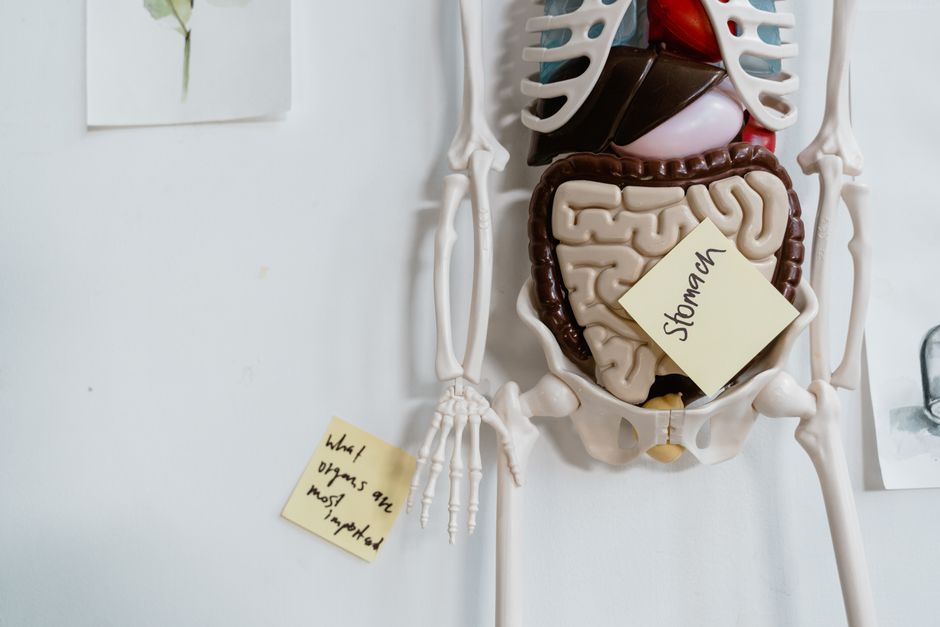
Stomach pain is one of the most common reasons people seek medical care, and figuring out where to go can be confusing. For most stomach problems, your primary care doctor is the right first stop — they know your history and can order tests, refer you to a specialist, or adjust medications. Go to urgent care when you need same-day attention for moderate symptoms like persistent vomiting, diarrhea, or pain that is not severe but will not go away. Go to the emergency room when symptoms are severe or dangerous: chest pain, vomiting blood, a rigid or board-like belly, fainting, or sudden intense pain that makes it hard to stand or breathe.
Where To Go For Stomach Problems Er Urgent Care Or Doctor?
Choosing between the ER, urgent care, and your regular doctor comes down to how severe your symptoms are and how quickly you need help. The three settings exist for different levels of urgency, and picking the right one saves time, money, and in some cases your life.
Emergency rooms are built to handle life-threatening and time-sensitive conditions. They have imaging, blood banks, surgical teams, and the ability to admit you to a hospital. Urgent care centers handle problems that need prompt attention but are not emergencies — they can run basic labs, give IV fluids, and prescribe medication, but they typically close at night and cannot admit patients. Your primary care doctor manages ongoing or recurring issues, coordinates specialists, and knows your full medical picture.
One detail people often miss: the ER is legally required to evaluate and stabilize anyone regardless of ability to pay, under a federal law known as EMTALA. Urgent care centers can turn you away or ask for payment upfront, and they can send you to the ER if your situation turns out to be more serious than it looked.
What Stomach Symptoms Mean You Should Go To The ER?
Certain symptoms signal a possible emergency and should send you straight to the emergency room — call 911 if you are unsure or too unwell to drive. These signs suggest bleeding, a perforated organ, a blocked blood supply to the gut, or another condition where minutes matter.
- Vomiting blood or material that looks like coffee grounds
- Stool that is black, tarry, or bright red
- Severe, sudden pain that peaks within minutes
- A belly that is hard, rigid, or tender to the slightest touch
- Chest pain, shortness of breath, or pain spreading to the shoulder, neck, or jaw
- Fainting, confusion, or a rapid heartbeat with weakness
- Inability to keep any fluids down for many hours, especially with signs of dehydration
- Pain with a high fever and yellowing of the skin or eyes
Some of these point to conditions where delay is genuinely dangerous. A rigid abdomen can indicate peritonitis, often from a perforated ulcer or appendix. Pain that moves from the belly button to the lower right side is a classic appendicitis pattern, though not everyone follows it. Chest pain with nausea deserves an ER visit because heart attacks sometimes present this way, particularly in women and older adults.
When Is Urgent Care The Better Choice?
Urgent care fits the middle ground: symptoms that are not life-threatening but need attention before your doctor can see you. They are usually faster and cheaper than the ER, and many are open evenings and weekends.
Reasonable reasons to choose urgent care include persistent vomiting or diarrhea without blood, moderate abdominal pain that has lasted more than a day, a suspected urinary tract infection, or a mild fever with stomach upset. Urgent care can check for dehydration, run rapid tests for infections, and prescribe medications.
The catch is that urgent care has limits. They usually cannot do advanced imaging like CT scans, they do not have surgical teams, and many close overnight. If your symptoms are severe or you are not sure, the ER is the safer default. A useful rule: if you are asking whether it might be an emergency, treat it like one until a clinician says otherwise.





When Should You Call Your Regular Doctor Instead?
Your primary care doctor is the right choice for ongoing, recurring, or mild stomach problems that are not urgent. This includes bloating, mild indigestion, changes in bowel habits, or discomfort that comes and goes over weeks.
These symptoms often need investigation rather than immediate treatment. Your doctor can order stool tests, blood work, imaging, or refer you to a gastroenterologist. They also know your medication list and can spot interactions or side effects that might be causing the problem. Many common stomach complaints — reflux, constipation, irritable bowel syndrome — are managed over time with adjustments that a primary care relationship handles well.
One non-obvious point: some medications cause stomach symptoms that are easy to blame on something else. NSAIDs like ibuprofen and naproxen can irritate the stomach lining and, with long-term use, contribute to ulcers. If you take these regularly and develop stomach pain, that is worth mentioning to your doctor rather than treating on your own.
How Do You Decide When You Are Not Sure?
When you cannot tell how serious something is, the safest move is to err toward more urgent care, not less. You can always step down from the ER to a doctor’s office later; you cannot undo a delay.
A few questions can help you sort it out:
- Is the pain severe enough that it is hard to move, speak, or breathe? That points to the ER.
- Are there warning signs like blood, fainting, or a rigid belly? That points to the ER.
- Have symptoms lasted more than a day or two without improving? Urgent care or your doctor.
- Is this a recurring problem you have had before? Your regular doctor.
- Are you unsure and getting worse? Go to the ER or call 911.
Trust your instincts here. People who feel something is seriously wrong often are right, and clinicians would rather see you and find nothing than have you wait and get worse.
What Should You Expect At Each Setting?
Knowing what each place can and cannot do helps you choose well and avoid surprise bills or delays. The table below compares what you can generally expect.
| Setting | Best For | Typical Wait | Can Admit You? |
|---|---|---|---|
| Emergency Room | Severe or dangerous symptoms | Varies widely | Yes |
| Urgent Care | Moderate, same-day needs | Often shorter | No |
| Primary Care | Ongoing or mild problems | May need appointment | No |
Wait times vary a lot by location, time of day, and how busy the facility is, so no fixed number applies everywhere. Emergency rooms triage by severity, which means a person with chest pain is seen before someone with mild nausea, even if the second person arrived first.
How Can You Prepare Before You Go?
A little preparation makes any visit go more smoothly and helps clinicians help you faster. It also reduces the chance of a missed diagnosis.
- Write down when symptoms started and what makes them better or worse
- List all medications, supplements, and doses you take
- Note any recent illnesses, travel, or unusual foods
- Bring your insurance card and ID
- Have someone who can drive you, in case you need sedation or are too unwell
Be honest about alcohol use, and about any drugs or supplements you take. This information is protected and helps your clinician avoid dangerous mistakes. Downplaying symptoms or leaving things out can lead to the wrong tests or a delayed diagnosis.
What Are The Risks Of Waiting Too Long?
Waiting is sometimes the right call for a mild, familiar problem. It is the wrong call for warning signs, because some stomach emergencies get much harder to treat with time.
Conditions like appendicitis, bowel obstruction, perforated ulcers, and blocked blood flow to the intestines can worsen quickly. In these cases, the difference between an early and late visit can affect how invasive the treatment is and how long recovery takes. That is the honest reason the ER exists for these symptoms — not to be dramatic, but because time genuinely changes outcomes for certain conditions.
For mild or recurring problems, waiting a day to see your doctor is usually reasonable. The key is knowing which category you are in, and when in doubt, choosing the more cautious option.
Frequently Asked Questions
Is stomach pain ever a reason to call 911?
Yes — call 911 for severe pain with fainting, chest pain, vomiting blood, a rigid belly, or if you are too unwell to get to the hospital safely. These signs can indicate a life-threatening emergency.
Can urgent care treat food poisoning?
Urgent care can often manage food poisoning with fluids and medication for nausea if you are not severely dehydrated. Go to the ER if you cannot keep fluids down, have bloody stool, or show signs of serious dehydration.
Should I go to the ER for stomach pain with a fever?
A high fever with significant stomach pain is worth an ER visit, especially with yellowing skin or eyes. Fever plus pain can signal an infection or inflammation that needs urgent evaluation.
How long is too long to wait with stomach pain?
There is no single number, but pain that is severe, worsening, or paired with warning signs should not wait at all. Mild, stable discomfort lasting more than a day or two is reasonable to bring to your doctor.
