

Omega-3 fats are essential fats your body cannot make on its own. If you eat a plant-based diet, the main sources are flaxseed, chia seeds, hemp seeds, walnuts, and algae-based supplements. Algae oil is the most direct vegan source because it supplies the same omega-3s found in fish.
Where To Get Vegan Omega 3 Foods And Supplements?
Vegan omega-3 sources fall into two groups: plant foods that supply ALA and algae-based products that supply DHA and EPA. The distinction matters more than most people realize.
ALA (alpha-linolenic acid) comes from plant foods. DHA (docosahexaenoic acid) and EPA (eicosapentaenoic acid) come from algae — the same place fish get theirs. Fish are not original producers of DHA and EPA. They accumulate these fats by eating algae or eating other fish that did.
This is why algae oil exists as a supplement. It skips the fish entirely and goes straight to the source.
Your body can convert some ALA into DHA and EPA. But that conversion is limited. Estimates vary, but research generally indicates that only a small percentage of ALA converts to EPA, and an even smaller amount converts to DHA. For this reason, many nutrition researchers suggest that people who avoid all animal products consider an algae-based DHA and EPA supplement rather than relying on ALA-rich foods alone.
Which Plant Foods Actually Contain Omega-3s?
Several common plant foods provide meaningful amounts of ALA. These are the ones with the strongest nutritional data behind them:
- Flaxseed — one of the richest plant sources of ALA. Ground flaxseed is better absorbed than whole seeds because the outer shell is hard to digest.
- Chia seeds — high in ALA and easy to add to food. They absorb liquid and form a gel, which makes them useful in puddings and baked goods.
- Hemp seeds — contain ALA along with other fats. They have a mild, nutty flavor and can be eaten raw.
- Walnuts — a convenient whole-food source of ALA. A small handful provides a notable amount.
- Perilla oil and camelina oil — less common but rich in ALA. These are used more in certain regions and specialty products.
- Soybeans and tofu — contain ALA in smaller amounts but are widely eaten.
What these foods have in common is ALA — not DHA or EPA. That is the key limitation. Eating more flaxseed does not directly give you DHA. It gives your body more raw material to attempt conversion, and that conversion is inefficient.
What Is the Difference Between ALA, DHA, and EPA?
ALA, DHA, and EPA are all omega-3 fatty acids, but they are not interchangeable in the body.
ALA is the plant-based omega-3. It is considered essential because your body cannot produce it — you must get it from food. ALA plays a role in energy metabolism and is a precursor to other omega-3s.
DHA and EPA are the longer-chain omega-3s. DHA is structurally important in the brain and retina. EPA is involved in signaling molecules that influence inflammation and other processes. These are the forms most studied for heart and brain health.
Your body converts ALA to EPA and then to DHA through a series of enzymatic steps. The enzymes involved are shared with omega-6 fats, which are abundant in most diets. This competition is one reason conversion is limited.
Because of this, the type of omega-3 you consume matters. A diet rich in ALA is not the same as a diet rich in DHA and EPA.
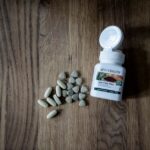




Are Algae-Based Omega-3 Supplements Worth Taking?
Algae oil supplements provide DHA and EPA directly. They are the only vegan supplement source that does this.
Algae are the original producers of DHA and EPA in the food chain. When you take an algae oil supplement, you are getting these fats without the fish intermediary. The DHA and EPA in algae oil are chemically similar to those found in fish oil.
Some studies have compared algae oil to fish oil and found similar effects on certain markers, such as triglyceride levels. However, the research is not as extensive as the research on fish oil. Most large trials on omega-3s and health outcomes have used fish oil, not algae oil. This does not mean algae oil is ineffective — it means the evidence base is smaller.
When choosing an algae supplement, look for one that lists both DHA and EPA amounts on the label. Some algae products only provide DHA. Read the supplement facts panel carefully.
No clinical guidelines currently specify a standard dose of algae oil for the general vegan population. Some clinicians suggest aiming for a combined DHA and EPA intake similar to general omega-3 recommendations, but this is not an established guideline for vegans specifically.
Can Your Body Convert ALA to DHA and EPA Efficiently?
No. The conversion is limited, and this is one of the most consistent findings in nutrition research.
Studies using stable isotopes to track ALA metabolism have found that only a small fraction converts to EPA, and a much smaller fraction converts to DHA. The exact percentages vary between studies and individuals, but the pattern is clear: conversion is low.
Several factors affect how much conversion happens:
- Genetics — some people have more active versions of the enzymes involved.
- Diet composition — high intake of omega-6 fats may compete with ALA for the same enzymes.
- Sex — some research suggests women of reproductive age may convert ALA more efficiently than men, possibly due to estrogen’s effects on the enzymes.
- Overall health — conditions that affect fat metabolism may influence conversion.
Even with favorable genetics and diet, conversion does not appear to be enough to match direct DHA and EPA intake. This is why many researchers recommend that vegans and vegetarians consider a direct source.
What Should Vegans Know About Omega-3 Needs?
The general consensus is that everyone needs omega-3s, but there is no single official recommendation for DHA and EPA intake that applies to all adults. The National Academies set an adequate intake for ALA: 1.6 grams per day for adult men and 1.1 grams per day for adult women. These are the only established intake recommendations for omega-3s in the US.
For DHA and EPA, no equivalent official recommendation exists for the general population. Some health organizations suggest eating fatty fish twice a week, which provides roughly 250 to 500 milligrams of combined DHA and EPA per day. That recommendation does not translate directly to vegan diets because it is based on fish consumption.
For vegans, the practical question is whether to rely on ALA-rich foods alone or add an algae supplement. The evidence suggests that ALA alone may not provide enough DHA and EPA for optimal status. Blood levels of DHA tend to be lower in vegans than in people who eat fish.
Whether lower DHA levels translate to worse health outcomes in vegans is not fully established. Some studies suggest vegans have lower rates of certain chronic diseases, but these findings are complicated by many other lifestyle factors. It would be inaccurate to say that low DHA is harmless, and it would also be inaccurate to say that it definitely causes specific health problems in vegans.
The most honest position: DHA and EPA matter for health, vegan diets tend to provide less of them, and algae oil is a direct plant-based source. Whether every vegan needs to supplement is a personal decision best discussed with a healthcare provider.
Frequently Asked Questions
What are the best vegan sources of omega-3?
Flaxseed, chia seeds, hemp seeds, and walnuts are the best food sources of ALA. Algae oil supplements are the best direct source of DHA and EPA.
Do vegans need to take an omega-3 supplement?
Many nutrition researchers recommend that vegans consider an algae-based DHA and EPA supplement because ALA conversion is limited. No official guideline requires it, but blood DHA levels tend to be lower in vegans who do not supplement.
Is algae oil as good as fish oil?
Algae oil provides DHA and EPA directly, similar to fish oil. Some studies show comparable effects on certain markers, but the overall research on algae oil is smaller than the research on fish oil.
How much ALA do I need per day?
The National Academies set adequate intake at 1.6 grams per day for adult men and 1.1 grams per day for adult women. These are the only established omega-3 intake recommendations in the US.
