
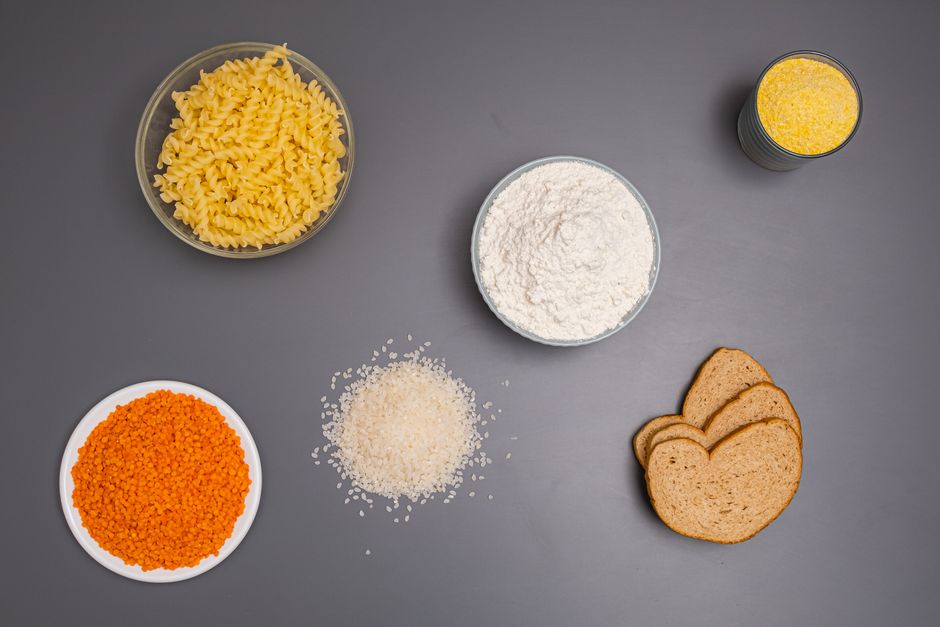
Starch digestion begins in your mouth. An enzyme in saliva called salivary amylase starts breaking starch into smaller pieces the moment you chew, and this is the first step in a process that continues in the stomach and finishes in the small intestine.
That answer surprises people who assume digestion only starts once food reaches the stomach. The mouth is not just a passageway. It is an active part of digestion, and for starch specifically, it does meaningful work before you swallow.
What follows is what research and established physiology actually show about where starch digestion begins, how it proceeds, and why the whole chain matters for how your body gets energy from foods like bread, rice, potatoes, and pasta.
Where Does Starch Digestion Begin?
Starch digestion begins in the mouth through the action of salivary amylase, also called ptyalin. This enzyme is produced by the salivary glands and mixed into food as you chew.
Amylase breaks starch down by splitting the long chains of glucose molecules that make up starch into shorter chains and some maltose, a two-glucose sugar. You can notice this yourself. Hold a plain cracker or a piece of bread in your mouth without swallowing for a minute or two and it starts to taste sweet. That sweetness is the taste of sugars being released from starch by amylase.
This is well-established biochemistry. It has been described in physiology textbooks and confirmed in laboratory research for well over a century. There is no serious debate that salivary amylase initiates starch digestion.
The more interesting question is how much this early step actually matters for your overall digestion. The answer depends on how long food stays in your mouth, how much you chew, and how much amylase your body produces.
Once you swallow, food moves into the stomach. Stomach acid is strongly acidic, and salivary amylase works best in a neutral environment. This means the enzyme’s activity slows considerably in the stomach. Some starch digestion may continue briefly in the center of a swallowed food mass where acid has not yet fully penetrated, but this is a limited effect.
So the mouth starts the job, but it does not finish it.
What Happens to Starch After You Swallow?
After you swallow, the food mass travels down the esophagus into the stomach. Here, salivary amylase is largely inactivated by stomach acid. The stomach does not produce an enzyme that digests starch.
This is an important point that often gets lost. The stomach is a major site for protein digestion and for mixing and churning food, but it contributes essentially nothing to breaking starch into absorbable sugars. Its role for starch is mechanical and preparatory, not enzymatic.
Food then moves into the small intestine, and this is where the bulk of starch digestion and absorption happens.
The pancreas releases pancreatic amylase into the small intestine. This enzyme picks up where salivary amylase left off, breaking remaining starch into shorter chains and maltose. Enzymes on the surface of the intestinal lining, including maltase and other brush-border enzymes, then finish the job. They split maltose and other short chains into single glucose molecules.
Those single glucose molecules are absorbed through the intestinal wall into the bloodstream. From there, they travel to the liver and then to cells throughout the body, where they are used for energy.
So the full sequence looks like this:
- Mouth: Salivary amylase starts breaking starch into shorter chains and maltose.
- Stomach: Amylase is largely inactivated by acid. No starch digestion enzyme is produced here.
- Small intestine: Pancreatic amylase and brush-border enzymes complete the breakdown into glucose.
- Absorption: Glucose enters the bloodstream through the intestinal wall.
Each stage matters, but the small intestine does the heaviest lifting.
How Much Does Saliva Really Contribute to Starch Digestion?
Saliva contributes less to total starch digestion than many people assume. The mouth starts the process, but most starch is broken down later in the small intestine.
This is where an honest look at the research matters. Studies on salivary amylase have found wide variation between people. Some individuals produce more amylase in their saliva than others, and this difference appears to be partly genetic. Research has linked variations in the number of copies of the salivary amylase gene (AMY1) to differences in amylase production and, in some studies, to how efficiently a person handles starchy foods.
What that means in practical terms is still being studied. Having more salivary amylase may influence the early breakdown of starch, but the body has a backup system in the pancreas that handles the majority of the work regardless. People whose salivary glands do not function well, or who have had them removed, can still digest starch because pancreatic amylase compensates.
So the mouth’s role is real, but it is not the make-or-break step some popular explanations suggest. The body is built with redundancy.
One clarification worth making: chewing thoroughly does help starch digestion, but not because it dramatically increases the total amount of starch broken down. Chewing increases the surface area of food, which gives amylase more access to starch molecules. It also gives the enzyme more time to work before you swallow. Both effects are modest but real.


Why the Mouth Matters More Than the Stomach for Starch
The stomach is often described as the main digestive organ, which is misleading for starch. For starch specifically, the mouth does more enzymatic work than the stomach does.
The stomach’s job is to store food, churn it, and begin protein digestion using acid and the enzyme pepsin. Starch is not a target there. In fact, the acidic environment of the stomach is hostile to the amylase that started working in your mouth.
This is a good example of how digestion is not one process but a series of specialized stages. Each stage has its own enzymes, its own pH range, and its own targets.
For starch, the sequence is mouth, then small intestine, with the stomach acting mostly as a pause point. That is the accurate picture, even if it is less tidy than the popular idea that the stomach does everything.
What Affects How Well You Digest Starch?
Several factors influence how efficiently your body breaks down starch, and most of them are not things you can easily change.
Salivary amylase levels. As noted, people vary in how much amylase their saliva contains, and this difference is partly genetic. The practical impact appears limited because pancreatic amylase compensates.
Chewing. More chewing means more surface area and more time for amylase to act. This is one factor you can influence directly.
Pancreatic function. The pancreas produces the amylase that does most of the work. Conditions that reduce pancreatic enzyme production, such as chronic pancreatitis or cystic fibrosis, can impair starch digestion. These are medical conditions that require clinical management, not dietary tweaks.
Intestinal health. The brush-border enzymes that finish starch breakdown sit on the surface of the small intestine. Conditions that damage that surface can affect the final steps of digestion and absorption.
Food form and processing. Cooked starch is generally easier to digest than raw starch because cooking breaks down starch granules and makes them more accessible to enzymes. This is why raw potato starch and cooked potato starch behave differently in the digestive tract.
None of this means you need to change how you eat unless a doctor has told you to. It means the process is more variable and more layered than a single enzyme or a single organ.
Common Misconceptions About Starch Digestion
A few ideas about starch digestion circulate widely and are not supported by evidence.
“Starch digestion starts in the stomach.” It does not. The stomach produces no starch-digesting enzyme. Salivary amylase starts the process in the mouth, and pancreatic amylase finishes it in the small intestine.
“You need to chew a certain number of times for proper digestion.” No clinical guideline specifies a number of chews. Chewing more does help, but there is no evidence-based target number, and different foods need different amounts of chewing.
“Salivary amylase digests all your starch.” It does not. It starts the process, but the pancreas and small intestine do most of the work. People without functional salivary glands still digest starch.
“Starch and sugar are digested the same way.” They are not. Table sugar (sucrose) is a two-sugar molecule that is split by a different enzyme called sucrase. Starch is a long chain of many glucose units that requires amylase first.
Getting these distinctions right matters because they shape how people think about their own digestion and about claims made by diet products and supplements.
Frequently Asked Questions
Where does starch digestion begin in the human body?
Starch digestion begins in the mouth, where salivary amylase starts breaking starch into shorter chains and maltose. This is the first step in a process that continues in the small intestine.
Does the stomach digest starch?
No. The stomach does not produce an enzyme that digests starch, and its acid environment largely inactivates salivary amylase. Starch digestion resumes in the small intestine with pancreatic amylase.
What enzyme starts starch digestion?
Salivary amylase, also called ptyalin, is the enzyme that starts starch digestion in the mouth. Pancreatic amylase then continues the process in the small intestine.
Can you digest starch without saliva?
Yes. People with reduced or absent salivary function can still digest starch because pancreatic amylase in the small intestine handles most of the breakdown. Saliva starts the process, but it is not required for starch to be digested.
