
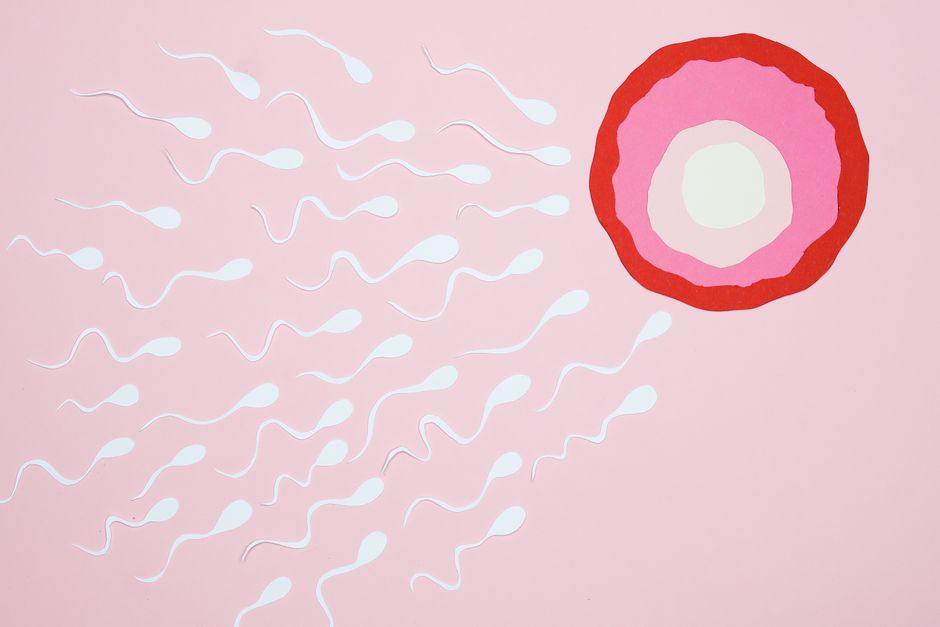
After menopause, sperm enters the vagina and travels through the cervical canal, but it cannot reach an egg because the ovaries no longer release eggs. The sperm will either be absorbed by the body, expelled through normal vaginal discharge, or die within a few days. Pregnancy is not possible after menopause because the hormonal changes have stopped ovulation entirely.
What Happens Physically to Sperm After Menopause?
The mechanics of sex do not change after menopause. Sperm is deposited in the vagina during intercourse, just as it was before menopause. The sperm cells then begin their journey toward the cervix and uterus.
In a premenopausal woman, that journey could end in fertilization. In a postmenopausal woman, there is no egg waiting. The ovaries have stopped releasing eggs, and the hormonal signals that triggered ovulation are no longer present.
The sperm cells themselves are not affected by menopause. They swim, they survive, and they eventually die. The difference is that there is nowhere for them to go in terms of fertilization.
Does the Body Absorb Sperm After Menopause?
The body does absorb some components of semen. The vagina is not a closed system, and the lining of the vagina can absorb some fluids. However, most of the semen is simply expelled.
After intercourse, gravity and normal muscle contractions push excess semen out of the vagina. This is why women often notice discharge or wetness shortly after sex. This does not change after menopause.
Some sperm cells may remain in the cervical mucus or the folds of the vaginal wall. These sperm cells die within a few hours to a few days. The body’s immune system helps clear them away.
Can Sperm Cause Any Harm After Menopause?
Sperm itself is not harmful to a postmenopausal woman. It is made of proteins, enzymes, and genetic material. The body recognizes it as foreign material but handles it without issue in most cases.
However, menopause changes the vaginal environment. Estrogen levels drop, which thins the vaginal walls and reduces natural lubrication. This can make intercourse uncomfortable or painful. It does not make sperm dangerous, but it can make the experience less pleasant.
Some women worry about infections. Sperm does not cause infections. Sexually transmitted infections are caused by bacteria or viruses, not by sperm cells themselves. If a partner has an active infection, that infection can be transmitted. But the sperm is not the problem.





Does Sperm Affect Menopause Symptoms?
There is no evidence that sperm changes menopause symptoms. Some people claim that semen contains hormones that might ease symptoms like hot flashes or vaginal dryness. These claims are not supported by solid research.
Semen does contain small amounts of hormones, including testosterone and prostaglandins. But the quantities are tiny. They are not enough to change a woman’s hormonal balance or reduce menopause symptoms.
If a woman feels better after sex, that is more likely related to relaxation, intimacy, or the release of endorphins. It is not a hormonal effect from the sperm itself.
Can a Woman Get Pregnant After Menopause?
No. Natural pregnancy is not possible after menopause. Menopause is defined as the permanent end of menstrual periods, confirmed after 12 consecutive months without a period. At that point, the ovaries have stopped releasing eggs.
Without an egg, fertilization cannot happen. Sperm may reach the fallopian tubes, but there is nothing there to fertilize.
Pregnancy after menopause is only possible through medical intervention. A woman can use donor eggs or her own frozen eggs through in vitro fertilization (IVF). The uterus must be prepared with hormone therapy to support the pregnancy. This is a medical procedure, not a natural possibility.
Does Menopause Affect Semen or Male Fertility?
Menopause is a female condition. It does not change a male partner’s sperm in any way. A man’s sperm production continues throughout his life, though it may decline with age.
Older men produce fewer sperm and the sperm may have more DNA damage. But this is age-related, not related to the woman’s menopause.
If a couple is trying to conceive after menopause, the male partner’s sperm quality matters. But for a postmenopausal woman, no amount of healthy sperm will result in pregnancy without assisted reproduction.
Why Do Some Women Report Feeling Different After Sex Post-Menopause?
Some postmenopausal women notice discomfort or pain during or after sex. This is usually due to vaginal atrophy. Lower estrogen levels cause the vaginal tissues to become thinner, drier, and less elastic.
This can make the friction of intercourse irritating. Some women experience light spotting after sex. This is often from small tears in the fragile vaginal tissue, not from the sperm itself.
Using a water-based lubricant can help. For women with significant discomfort, a doctor may recommend vaginal estrogen therapy. This comes as a cream, tablet, or ring and is applied locally. It restores some moisture and elasticity to the vaginal tissues.
Is It Normal to Have Discharge After Sex Post-Menopause?
Yes. Some discharge after sex is normal at any age. It is a mix of semen, natural vaginal fluids, and cervical mucus.
After menopause, the amount of natural vaginal fluid decreases. So the discharge after sex may be mostly semen. This is not a cause for concern.
However, if the discharge has a strong odor, is gray or green, or is accompanied by itching or burning, that could indicate an infection. A doctor should evaluate these symptoms.
Does Sperm Have Any Health Benefits for Postmenopausal Women?
Some online sources claim that semen has antidepressant effects or that it improves skin. These claims are largely anecdotal. There is no strong clinical evidence that sperm provides meaningful health benefits to women after menopause.
Semen does contain compounds like zinc, calcium, and certain proteins. But the amounts are small. Eating a normal diet provides far more of these nutrients.
The main benefits of sex after menopause are emotional and relational. Intimacy, connection, and physical closeness are valuable for well-being. These benefits come from the experience, not from the sperm itself.
When Should a Postmenopausal Woman See a Doctor?
Bleeding after sex is worth a medical check. Light spotting can be from vaginal dryness. But any new bleeding after menopause should be evaluated to rule out more serious conditions.
Pain during sex that does not improve with lubrication is also worth discussing with a doctor. There are safe and effective treatments available.
Menopause does not end a woman’s sex life. It just changes the physical conditions. Understanding what is happening in the body can help women approach sex with realistic expectations and less worry.
Frequently Asked Questions
Can sperm survive in a postmenopausal woman?
Sperm can survive for a few days inside the female reproductive tract, but without an egg present, they simply die and are cleared by the body’s immune system.
Does sex after menopause feel different?
Many women notice increased dryness or sensitivity because lower estrogen levels thin the vaginal tissues, which can make sex feel different or uncomfortable.
Can menopause cause pain after sex?
Yes, vaginal atrophy from low estrogen can cause pain or irritation during and after intercourse, but lubricants and vaginal estrogen therapy can help.
Is pregnancy possible after menopause with a partner’s sperm?
No, natural pregnancy is impossible after menopause because the ovaries no longer release eggs, and pregnancy would require medical assistance like IVF with donor eggs.
