
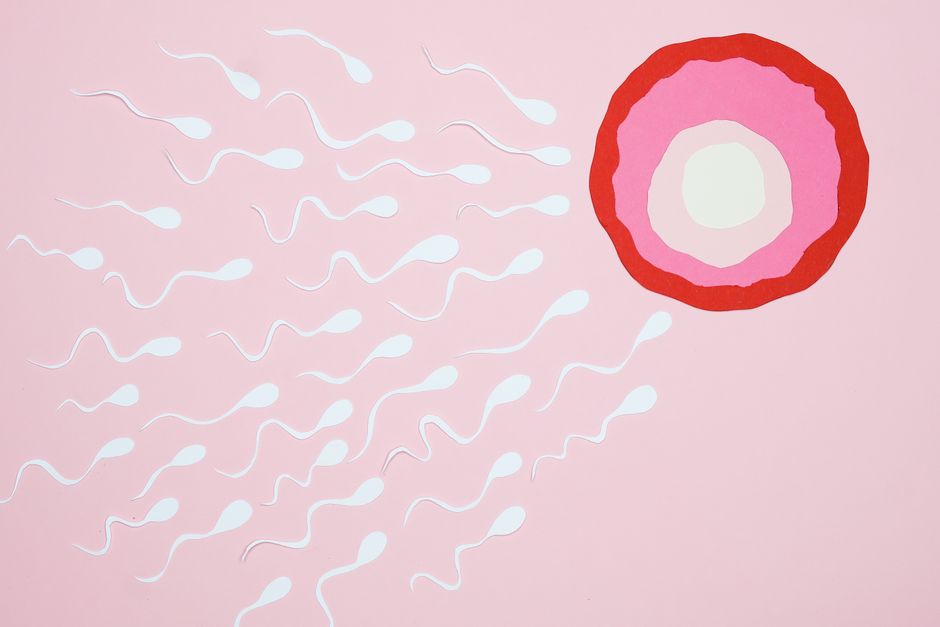
Menopause brings a long list of changes, and many women look for relief beyond standard hormone therapy. One question that circulates online is whether semen, or sperm, can help with menopause symptoms. The direct answer is that no clinical evidence supports the idea that sperm or semen treats menopause symptoms. The confusion likely comes from the fact that semen contains small amounts of hormones, but the quantities are far too low to have any measurable effect on a woman’s body.
Where Did This Idea Come From?
The theory that semen might help with menopause appears to stem from a few different sources. Some online wellness communities discuss the idea that seminal fluid contains hormones like testosterone, estrogen, and prostaglandins. Because menopause involves dropping hormone levels, the logic goes that absorbing these hormones could ease symptoms.
The biology does not support this. While semen does contain trace amounts of hormones, the concentrations are tiny. A typical ejaculation contains a fraction of a microgram of estrogen and testosterone. For context, standard menopausal hormone therapy delivers doses measured in milligrams or micrograms that are specifically formulated to reach therapeutic levels in the blood. The amount in semen is nowhere near enough to change a woman’s hormone balance.
Another source of the idea may be older research on prostaglandins in semen. Prostaglandins are hormone-like substances that can affect the cervix and uterus. Some studies from past decades looked at whether prostaglandins in semen could help with cervical ripening during labor. That research has nothing to do with menopause symptoms, but it may have contributed to the general idea that semen has hormonal effects on the female reproductive tract.
What Does the Research Actually Say?
No large clinical trials have examined whether sexual activity involving semen affects menopause symptoms. The evidence here is essentially absent. There is no peer-reviewed study showing that semen reduces hot flashes, improves sleep, or changes vaginal dryness.
Some research has looked at whether sexual activity in general affects menopause symptoms. The findings are limited and mixed. One line of research has examined whether women who are sexually active report different menopause experiences than women who are not. Results vary, and studies have not consistently shown that sexual activity changes the frequency or severity of hot flashes or night sweats.
There is a separate area of research on the psychological and relational benefits of sex during menopause. Women who have satisfying sexual relationships may report better mood or less stress, but this is not the same as semen having a direct physiological effect on menopause symptoms. The distinction matters. A woman may feel better after sex for many reasons, but that does not mean the semen itself is treating her menopause.
Does Semen Affect Vaginal Tissue?
One area where semen does have a documented biological effect is on the vaginal environment. Seminal fluid is alkaline, meaning it has a higher pH than the typical acidic vaginal environment. After unprotected intercourse, the vaginal pH rises temporarily. This is a normal and temporary change.
Some women notice increased discharge or a different sensation after sex. This is related to the pH shift and the presence of seminal proteins, not to hormone delivery. The effect usually resolves within hours as the vagina returns to its normal acidic state.
For women experiencing vaginal dryness related to menopause, semen is not a treatment. Vaginal dryness happens because declining estrogen thins the vaginal tissues and reduces natural lubrication. Semen does not counteract this process. It does not restore estrogen to the tissues and does not improve elasticity or moisture over time.





Could There Be Any Benefit to Sexual Activity?
While semen itself is not a treatment, regular sexual activity may have some benefits for vaginal health. The physiology here is straightforward. Sexual arousal increases blood flow to the pelvic region. This blood flow delivers oxygen and nutrients to the vaginal tissues, which can help maintain their health.
Some gynecologists recommend continued sexual activity, with or without a partner, as a way to keep vaginal tissues flexible. The mechanical stretching and increased blood flow may help some women maintain vaginal elasticity. This is a common clinical recommendation, though the evidence base is not large. It is reasonable advice for many women, but it is not a substitute for medical treatment when symptoms are significant.
It is also worth noting that using a water-based lubricant during sex can make intercourse more comfortable for women with vaginal dryness. Lubricants address the symptom directly without relying on any hormonal effect. Many women find this helpful, and it is a low-risk option to discuss with a healthcare provider.
What Are the Proven Treatments for Menopause Symptoms?
Women who are struggling with menopause symptoms should know what actually works. The most effective treatment for moderate to severe vasomotor symptoms, which are hot flashes and night sweats, is hormone therapy. This involves estrogen, often combined with progesterone if the woman still has her uterus.
Hormone therapy is not right for everyone. Women with a history of certain cancers, blood clots, or liver disease may not be candidates. The decision to use hormone therapy should be made with a healthcare provider who can review the individual’s medical history and risk factors.
For women who cannot or choose not to use hormones, there are non-hormonal options. Some prescription medications originally developed for other conditions have been shown to reduce hot flashes. These include certain antidepressants and a medication called gabapentin, which is used for nerve pain and seizures. These options are less effective than hormone therapy for most women, but they can provide meaningful relief.
Lifestyle changes can also help some women. Keeping the bedroom cool, dressing in layers, and avoiding triggers like spicy foods, caffeine, and alcohol may reduce the frequency of hot flashes for some women. The evidence for these measures is modest, but they are low-risk and worth trying.
What About Testosterone in Semen?
Semen does contain testosterone, and this is sometimes cited as a reason it might help with menopause. Some women with low libido are prescribed testosterone therapy, so the logic seems plausible. But the dose matters.
Testosterone therapy for women, when prescribed, is given in specific doses that have been studied in clinical trials. The amount of testosterone in a single ejaculation is minuscule by comparison. It is not absorbed through the vaginal wall in sufficient quantity to affect blood testosterone levels or libido.
No study has shown that exposure to semen changes a woman’s testosterone levels. The claim that semen acts as a natural testosterone therapy for women is not supported by any clinical evidence.
Is There Any Risk?
For most women, exposure to semen during intercourse is not harmful. The main risks are the same as any risk of unprotected sex, including pregnancy if the woman is perimenopausal and still ovulating, and sexually transmitted infections.
Some women experience allergic reactions to seminal fluid. This is rare, but it can cause itching, burning, swelling, or discomfort after intercourse. Women who notice these symptoms should discuss them with a healthcare provider. A true semen allergy can be managed with strategies like condom use or desensitization therapy under medical supervision.
One more consideration is that relying on an unproven method like semen exposure to treat menopause symptoms could delay getting effective treatment. If a woman is experiencing hot flashes, night sweats, sleep disruption, or vaginal pain that affects her quality of life, she deserves to know what the evidence actually supports.
What Should Women Do Instead?
The honest position is that sperm does not help with menopause. Women who are bothered by menopause symptoms should start by talking with a healthcare provider. A provider can help determine which symptoms are most disruptive and which treatments are appropriate based on the woman’s health history.
For vaginal dryness specifically, over-the-counter vaginal moisturizers used regularly can help. Water-based lubricants can make intercourse more comfortable. For women with persistent dryness that does not respond to these measures, low-dose vaginal estrogen is an option. This delivers a small amount of estrogen directly to the vaginal tissues and is generally considered safe for most women, though a provider should always be involved in the decision.
For hot flashes and night sweats, tracking symptoms for a few weeks can help identify patterns and triggers. This information can be useful when discussing treatment options with a provider. Some women find that symptoms improve with lifestyle adjustments alone, while others need medication. Both are valid paths, and neither involves semen.
Frequently Asked Questions
Can sperm help with menopause symptoms?
No clinical evidence shows that sperm or semen reduces menopause symptoms. The hormones in semen are present in amounts far too small to affect a woman’s body.
Does semen contain hormones that could help?
Semen does contain trace amounts of estrogen and testosterone, but the concentrations are negligible. They are nowhere near the doses used in menopausal hormone therapy.
Is sexual activity good for menopause?
Regular sexual activity may support vaginal health through increased blood flow and tissue flexibility. This is different from semen having a direct effect on menopause symptoms.
What is the best treatment for menopause symptoms?
Hormone therapy is the most effective treatment for hot flashes and night sweats. Non-hormonal prescription options and lifestyle changes can also help, and a healthcare provider can help determine the right approach.
