
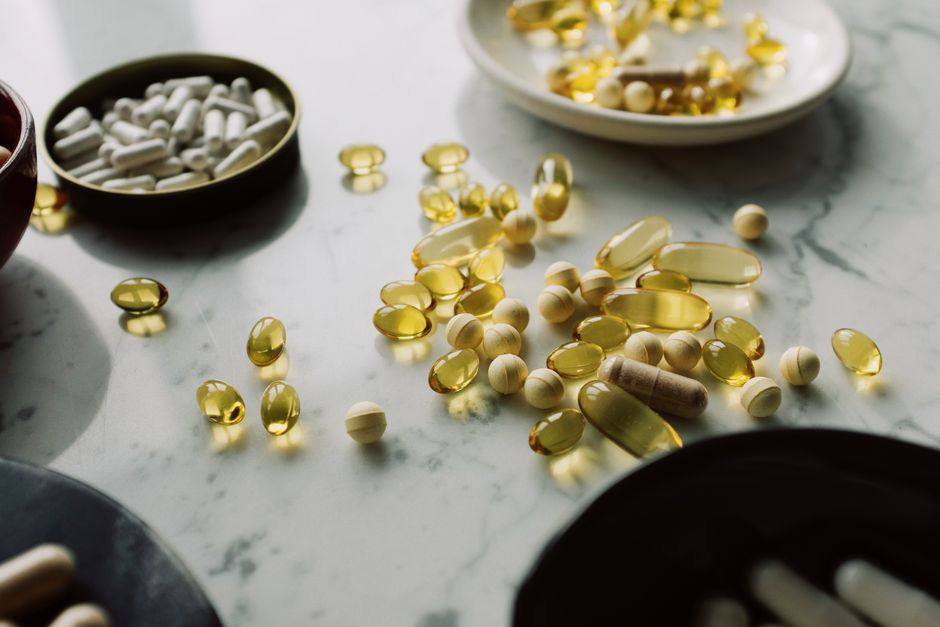
Amino acids are the building blocks of protein, and your body needs them for nearly everything — building muscle, repairing tissue, digesting food, and producing hormones. You get them from two places: the food you eat and your body’s own production. Your body can make some amino acids on its own, but others, called essential amino acids, must come from your diet. Animal proteins like meat, eggs, and dairy provide all the essential ones, while plant sources like beans, nuts, and grains provide them in varying amounts. Your body also breaks down its own proteins daily to recycle amino acids, so your diet and your body work together to keep your supply steady.
What Are Amino Acids and Why Do You Need Them?
Amino acids are small molecules that link together in chains to form proteins. Think of them like letters of an alphabet — arrange them in different orders and you get different words, or in this case, different proteins. Your body uses about 20 different amino acids to build the thousands of proteins it needs.
These proteins do more than build muscle. They form enzymes that drive chemical reactions, antibodies that fight infection, and transport proteins that carry oxygen in your blood. Without a steady supply of amino acids, your body cannot maintain its tissues or produce the molecules it needs to function.
Where Do Amino Acids Come From Diet Body Origins?
The answer has two parts: your diet and your body. Of the 20 amino acids your body uses, nine are considered essential. Your body cannot make them, so you must get them from food. The other eleven are non-essential, meaning your body can produce them internally.
Your body makes non-essential amino acids through a process called transamination. This involves transferring an amino group from one molecule to another, converting one amino acid into a different one. The liver is the main site for this process. It can build these amino acids from scratch using carbon skeletons and nitrogen from other compounds.
There are also three conditional amino acids — arginine, cysteine, and glutamine. These are normally non-essential, but under stress, illness, or injury, your body may not make enough. In those situations, they become conditionally essential, meaning dietary intake matters more.
Which Foods Provide Amino Acids?
Complete proteins contain all nine essential amino acids in adequate amounts. Animal-based foods are the most straightforward sources:
- Chicken, beef, pork, and fish
- Eggs and dairy products like milk, cheese, and yogurt
- Whey and casein protein powders
Plant-based proteins are different. Most plant foods are incomplete proteins, meaning they are low in one or more essential amino acids. For example, beans are low in methionine but high in lysine. Rice is low in lysine but high in methionine. Eating them together — like beans and rice — provides a complete amino acid profile.
Soy is an exception. Tofu, tempeh, and edamame are complete plant proteins. Quinoa and buckwheat are also complete, which is uncommon among plant foods.
You do not need to combine proteins at every meal. Your body pools amino acids from foods eaten throughout the day. As long as your overall daily intake covers all nine essential amino acids, your body has what it needs.




What Happens When You Eat Protein?
When you eat protein, your digestive system breaks it down into individual amino acids and small peptides. This starts in the stomach with acid and enzymes, then continues in the small intestine. The amino acids are absorbed through the intestinal wall and enter your bloodstream.
Your liver processes most of them. Some amino acids go directly into the bloodstream to be used by tissues. Others are converted or broken down. Amino acids are not stored like fat or carbohydrates. Your body keeps a small pool of free amino acids in your blood and cells, but any excess is either used for energy or converted to fat.
This is why regular protein intake matters. Since your body cannot store amino acids in large amounts, you need a consistent supply through your diet to maintain muscle and other tissues.
How Does Your Body Recycle Amino Acids?
Your body is constantly breaking down and rebuilding proteins. Muscle tissue, for example, undergoes continuous turnover. Old or damaged proteins are broken down into their amino acid components, and those amino acids are reused to build new proteins.
This process is called protein turnover. Every day, your body breaks down and resynthesizes a significant amount of protein. The recycled amino acids are an important internal source that works alongside dietary intake.
When your diet is low in protein, your body relies more heavily on this recycling process. It also breaks down muscle tissue to free up amino acids for more critical functions, like making blood proteins or immune molecules. This is why inadequate protein intake leads to muscle loss over time.
Do You Need Amino Acid Supplements?
For most healthy people, no. A varied diet that meets your protein needs provides all the amino acids your body requires. Supplements like BCAAs (branched-chain amino acids) are marketed heavily for muscle building and recovery, but the evidence does not support their necessity for most people.
Research suggests that consuming a complete protein source provides the same benefits as BCAA supplements, plus additional amino acids your body needs. Whole food protein sources are also more affordable and come with other nutrients.
There are specific situations where supplements may be useful. People with certain metabolic disorders, malabsorption conditions, or those on very restricted diets might benefit. But these are clinical decisions made with a doctor, not general recommendations.
Some research indicates that specific amino acids like leucine play a key role in stimulating muscle protein synthesis. However, this does not mean supplements are better than food. A serving of chicken or eggs provides leucine along with all the other amino acids your muscles need.
How Much Protein Do You Actually Need?
Protein needs vary based on age, activity level, and health status. The general guideline for sedentary adults is about 0.8 grams of protein per kilogram of body weight per day. For a 70 kg (154 lb) person, that is about 56 grams daily.
People who are active, older adults, and those recovering from illness often need more. Some research suggests that older adults may benefit from higher protein intake to preserve muscle mass. Athletes in training may need 1.2 to 2.0 grams per kilogram, depending on the intensity and type of training.
These are general ranges, not precise prescriptions. Individual needs vary. A dietitian can provide personalized guidance based on your specific situation.
What Happens If You Do Not Get Enough Amino Acids?
Protein deficiency is rare in developed countries, but it does occur. It can happen with restrictive diets, eating disorders, digestive conditions that impair absorption, or in older adults who eat poorly.
When amino acid intake falls short, your body prioritizes essential functions. It breaks down muscle tissue to supply amino acids for more critical proteins like those in your blood and immune system. Over time, this leads to:
- Muscle loss and weakness
- Fatigue and reduced energy
- Weakened immune function
- Poor wound healing
- Hair thinning and skin problems
Severe protein deficiency causes a condition called kwashiorkor, characterized by swelling, an enlarged liver, and skin changes. This is primarily seen in areas with severe food insecurity, not in typical American diets.
Most Americans eat more than enough protein. The bigger concern is usually distribution — eating too little at breakfast or relying on a single large protein source at dinner.
Do Plant Proteins Match Animal Proteins?
Animal proteins are considered higher quality because they provide all essential amino acids in proportions similar to human needs. Plant proteins are more variable. Some, like soy and quinoa, are complete. Others are low in specific essential amino acids.
This does not mean plant proteins are inferior. It means plant-based eaters need to eat a variety of protein sources. Combining legumes with grains, nuts, or seeds covers all essential amino acids. A well-planned vegetarian or vegan diet can easily meet all amino acid needs.
Research consistently shows that plant-based diets can support health and muscle maintenance when protein intake is adequate. The key is variety and total intake rather than consuming complete proteins at every meal.
Frequently Asked Questions
Can your body make all the amino acids it needs?
No. Your body can make eleven of the twenty amino acids, but the nine essential amino acids must come from your diet.
What foods contain all nine essential amino acids?
Animal products like meat, fish, eggs, and dairy contain all nine. Soy, quinoa, and buckwheat are complete plant sources.
Do you need to combine plant proteins at every meal?
No. Your body pools amino acids from foods eaten throughout the day, so variety across meals is sufficient.
Are amino acid supplements necessary for muscle building?
No. For most people, eating enough protein from food provides all the amino acids needed for muscle building and recovery.
