
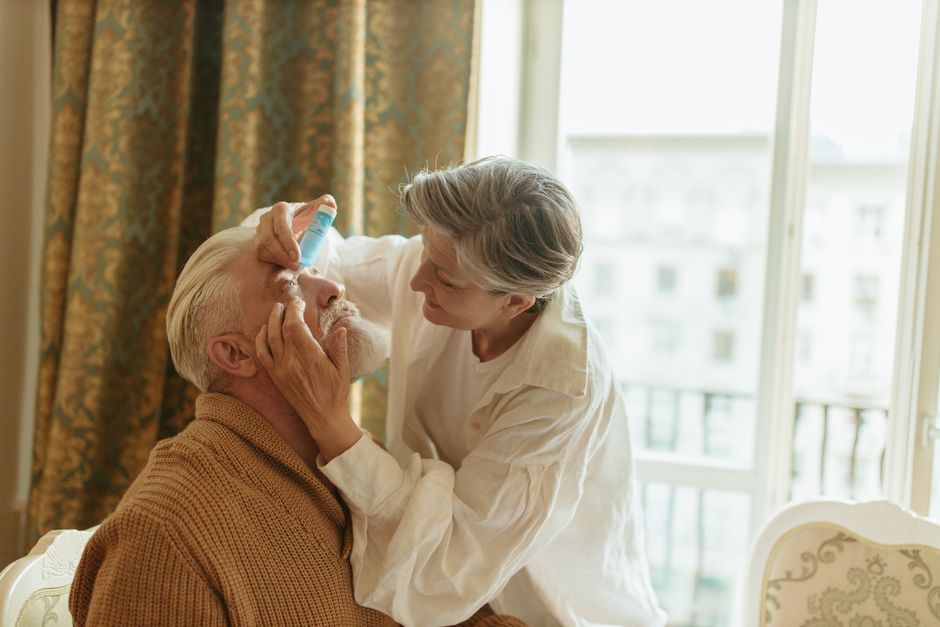
Glaucoma is not one disease. It is a group of conditions that damage the optic nerve, usually because fluid pressure inside the eye is too high. That damage is permanent — no diet, exercise plan, or supplement can reverse it. The honest answer to the question of treating glaucoma naturally is this: lifestyle changes may support eye health and may modestly help with pressure control, but they do not replace prescribed treatment, and any approach that delays real medical care risks irreversible vision loss.
Why Natural Approaches Cannot Cure Glaucoma
Glaucoma causes vision loss by killing retinal ganglion cells — the nerve cells that carry visual signals from the eye to the brain. Once those cells die, they do not grow back. This is the central fact that shapes everything else.
Because of that, the goal of all glaucoma treatment is not to restore lost vision. It is to slow or stop further damage. The main way doctors do this is by lowering intraocular pressure (IOP), the fluid pressure inside the eye. IOP is measured in millimeters of mercury (mmHg). For most people, normal eye pressure falls between 10 and 21 mmHg, though some people develop glaucoma at pressures within that range, and others with higher pressures never develop it.
Prescription eye drops, laser procedures, and surgery are the interventions with the strongest evidence for lowering IOP and protecting the optic nerve. Natural approaches can play a supporting role. They cannot fill the role of treatment.
One clarification worth understanding: glaucoma often causes no early symptoms. People frequently feel fine while the optic nerve is quietly being damaged. This is why regular eye exams matter, and why “I feel normal” is not evidence that a natural approach is working.
Can Diet Help With Glaucoma?
No specific diet has been shown to treat glaucoma. Some dietary patterns are associated with lower risk or with slightly better pressure control, but association is not the same as treatment.
Research has looked at several nutrients and food patterns:
- Leafy greens and nitrates. Vegetables like spinach, kale, and lettuce contain dietary nitrates. Some studies suggest diets higher in these foods are linked to lower glaucoma risk, though the evidence is not strong enough to call this protective.
- Omega-3 fatty acids. Found in fish like salmon and sardines, omega-3s have been studied for eye health. Evidence for a direct effect on glaucoma is limited and mixed.
- Antioxidants. Vitamins A, C, and E, plus zinc and selenium, support general eye health. No clinical trial has confirmed they treat glaucoma.
- Caffeine. Drinking a large amount of caffeine in a short time can raise eye pressure temporarily. For most people with glaucoma, moderate caffeine is not a concern, but heavy, rapid intake is worth discussing with a doctor.
A generally healthy eating pattern — plenty of vegetables, fruit, whole grains, fish, and limited processed food — supports overall health. It is reasonable for anyone with glaucoma. It is not a substitute for prescribed treatment.
Does Exercise Lower Eye Pressure?
Moderate aerobic exercise can lower eye pressure, at least temporarily. This is one of the better-supported lifestyle findings in glaucoma research.
Activities like walking, jogging, and cycling have been shown to reduce IOP during and shortly after the activity. The effect varies by person and by the type of exercise. Regular aerobic activity may also support blood flow to the optic nerve, which some researchers think matters for long-term eye health, though that link is not firmly established.
Not all exercise is equal when it comes to glaucoma. Some positions and activities can raise eye pressure:
- Head-down positions. Poses like downward dog in yoga, or inversion tables, can increase eye pressure. People with glaucoma may want to avoid prolonged inverted positions.
- Heavy lifting with breath holding. Straining while holding your breath — called the Valsalva maneuver — can spike eye pressure. Breathing steadily during strength training matters.
- High-intensity straining. Very intense exertion without controlled breathing may raise pressure in some people.
For most people with glaucoma, moderate regular exercise is reasonable and likely helpful. Anyone with advanced glaucoma or recent eye surgery should ask their eye doctor what is safe for them specifically.

What About Supplements and Herbal Remedies?
This is where caution matters most. Many products are marketed for “eye pressure” or “optic nerve support.” Few have solid evidence behind them.
A few points worth knowing:
- No supplement has been shown to reverse optic nerve damage. That damage is permanent.
- Some supplements may interact with glaucoma medications or affect blood pressure and bleeding risk. This is a real concern, not a theoretical one.
- Herbs like bilberry, ginkgo, and others are sometimes promoted for eye health. Evidence that they treat glaucoma is weak or absent.
- High-dose vitamin products sold for eye health are generally formulated for conditions like age-related macular degeneration, not glaucoma. They are not interchangeable.
If you want to try a supplement, tell your eye doctor and your primary care doctor first. Some products can interfere with treatment or cause harm.
Can Lifestyle Changes Replace Eye Drops?
No. This is the most important point in this article.
Prescription eye drops lower eye pressure through specific mechanisms — reducing fluid production or improving fluid drainage. Lifestyle changes do not replicate those effects reliably or strongly enough to replace them. Stopping prescribed drops to rely on diet or exercise can lead to rapid, permanent vision loss.
Glaucoma is often called the “silent thief of sight” because damage progresses without warning. By the time someone notices vision problems, significant nerve damage has usually already occurred. This is why continuing prescribed treatment, even when you feel fine, is essential.
Lifestyle changes work best as additions to medical care, not replacements for it. Think of them as supporting overall health alongside the treatment that actually protects the optic nerve.
What Actually Protects Vision in Glaucoma?
The interventions with the strongest evidence for protecting vision all work by lowering eye pressure. These include prescription eye drops, laser treatment, and surgery in some cases. Your eye doctor chooses based on the type and severity of your glaucoma.
Beyond treatment, a few habits support eye health in general:
- Keep regular eye exam appointments. Pressure checks and optic nerve imaging track whether treatment is working.
- Take medications exactly as prescribed. Missing doses lets pressure rise.
- Tell your doctor about all supplements and medications. Some can raise eye pressure or interact with treatment.
- Protect your eyes from injury. Trauma can contribute to some forms of glaucoma.
- Manage related conditions. Conditions like diabetes and high blood pressure can affect eye health and are worth controlling for many reasons.
Sleep position may matter for some people. Sleeping with the head slightly elevated, or avoiding sleeping face-down, may help in certain cases, though the evidence is not uniform. Ask your eye doctor if this applies to you.
The Bottom Line on Natural Glaucoma Treatment
Diet and exercise can support general health and may modestly help with eye pressure. They cannot treat glaucoma on their own. The optic nerve damage from glaucoma is permanent, and the only proven way to slow it is to lower eye pressure with medical treatment.
If you have glaucoma, the most protective thing you can do is follow your treatment plan and keep your appointments. If you want to add lifestyle changes, that is reasonable — but tell your doctor, and never stop prescribed treatment to try a natural approach instead.
Frequently Asked Questions
Can glaucoma be cured naturally?
No. Glaucoma cannot be cured by natural methods, and the optic nerve damage it causes is permanent. Treatment can slow or stop further damage, but it cannot reverse what is already lost.
Does exercise lower eye pressure?
Moderate aerobic exercise like walking or cycling can lower eye pressure temporarily, and this is one of the better-supported lifestyle findings in glaucoma research. It does not replace prescribed treatment.
Are there foods that lower eye pressure?
No specific food has been shown to treat glaucoma or reliably lower eye pressure. Some studies suggest diets rich in leafy green vegetables are linked to lower glaucoma risk, but this is not the same as treatment.
Can I stop my glaucoma eye drops if I change my diet?
No. Stopping prescribed eye drops can lead to rapid and permanent vision loss, even if you feel fine. Any change to treatment should only happen with your eye doctor’s guidance.
