
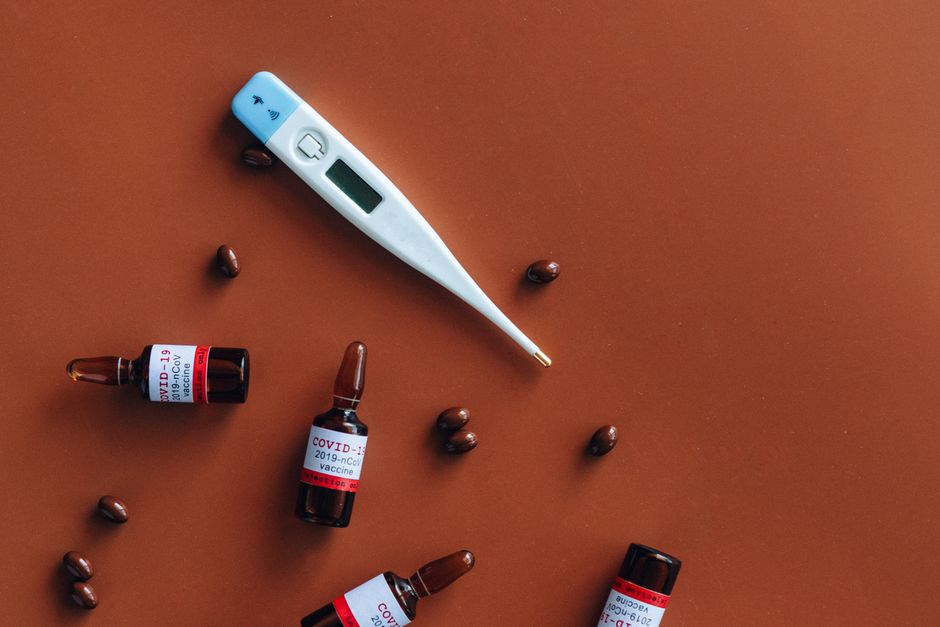
No poison ivy vaccine is available to the public today. Research into a vaccine has been ongoing for years, and at least one candidate has moved into early human testing, but no product has completed the full clinical trial process or received approval from the U.S. Food and Drug Administration. If you are hoping for a shot that prevents the miserable rash, you are still waiting.
The science behind a vaccine is real and the need is genuine. Roughly 50 million Americans develop a poison ivy, oak, or sumac rash each year, according to estimates cited by the American Academy of Dermatology. That is a lot of itching, blistering, and missed work. Understanding where the research stands helps you separate current reality from wishful thinking.
What Is the Current Status of Poison Ivy Vaccine Research?
A small number of research groups and companies have worked on vaccines targeting urushiol, the oily compound in poison ivy, oak, and sumac that triggers the allergic reaction. The most advanced effort in recent years has been a product developed by a company called Hapten Sciences, which entered early-phase human trials. Early-phase trials test safety and immune response in a small number of volunteers. They do not prove the product works or that it is ready for widespread use.
Moving from an early safety trial to a large efficacy trial typically takes years. Many vaccine candidates fail somewhere along that path. Some never attract enough funding. Others show immune responses in the lab that do not translate into real-world protection. As of now, no poison ivy vaccine has completed the later-stage trials required for FDA approval.
That means the answer to when a vaccine will be available is straightforward: nobody knows, and no reliable timeline exists. Anyone who tells you a date is guessing.
Why Is a Poison Ivy Vaccine So Hard to Develop?
Poison ivy rash is not an infection. It is an allergic contact dermatitis. Your immune system mistakes urushiol for a threat and mounts a response that damages your own skin. A vaccine would need to train the immune system to tolerate urushiol rather than attack it.
That is a fundamentally different challenge from vaccines that teach the body to fight a virus or bacterium. Traditional vaccines prime the immune system to destroy a foreign invader. A poison ivy vaccine would need to do almost the opposite — calm a specific allergic response without weakening your overall immune function.
Urushiol is also a small molecule, not a protein. Most vaccines work by presenting proteins or protein fragments to the immune system. Small molecules like urushiol do not trigger that kind of response on their own. Researchers have to attach urushiol to a larger carrier molecule to make the immune system notice it. That adds complexity and risk.
There is another wrinkle. People vary widely in how sensitive they are to urushiol. Some react to tiny amounts; others need much more exposure before a rash appears. A vaccine would need to work across that range of sensitivity, which is not easy to achieve.
What About the Existing Poison Ivy Treatments?
No preventive shot exists, but several approaches are used to manage poison ivy rash after exposure. None of them are vaccines, and none provide lasting immunity.
Barrier creams are marketed to block urushiol from reaching the skin. The evidence for their effectiveness is limited. Some studies suggest certain formulations may reduce absorption if applied before exposure, but results vary. The FDA has not approved any barrier cream as a guaranteed preventive measure.
Oral corticosteroids such as prednisone are commonly prescribed for moderate to severe poison ivy rash. These drugs suppress the immune response and can reduce swelling and itching. They work best when started early. A short course may not be enough for severe cases; some clinicians recommend a longer tapering dose to prevent rebound rash. This is a decision for a doctor, not a self-treatment.
Topical corticosteroids are widely used for mild rash. Over-the-counter hydrocortisone creams are generally considered too weak for poison ivy on their own. Prescription-strength topical steroids may help, but they do not speed healing dramatically.
Antihistamines are often taken for itching. Oral antihistamines like diphenhydramine can make you drowsy and may help you sleep, but they do not treat the underlying allergic reaction. Topical antihistamines can actually worsen the rash in some people and are generally discouraged.
Oral urushiol desensitization has been studied for decades. The idea is to swallow tiny amounts of urushiol to build tolerance. Some research suggests this approach can reduce sensitivity in certain people, but it carries real risks. It can cause severe allergic reactions, and it is not an approved treatment. No clinical guidelines currently recommend it for general use.


How Do You Prevent Poison Ivy Rash Without a Vaccine?
Avoidance remains the most reliable strategy. Learn to identify poison ivy, oak, and sumac in your region. The old saying “leaves of three, let it be” is a useful starting point, though not every three-leaf plant is poisonous and not every poisonous plant has exactly three leaves.
Wear long pants, long sleeves, and gloves if you might come into contact with the plants. Urushiol can cling to clothing, tools, and pet fur. Wash anything that may have touched the plants with soap and water. Urushiol can remain active on surfaces for years if not cleaned.
If your skin touches a plant, wash the area with soap and cool water as soon as possible. Research indicates that urushiol can penetrate the skin within minutes, but washing within the first 30 minutes may remove enough to reduce or prevent a rash. After that window, washing can still help remove oil from the skin surface but is less likely to prevent a reaction.
Do not burn poison ivy. Inhaling urushiol particles from burning plants can cause severe respiratory inflammation and is a medical emergency.
What Would a Poison Ivy Vaccine Mean for People With Severe Reactions?
For people who are highly sensitive to urushiol, a vaccine would be life-changing. Some individuals develop severe, widespread rashes that require medical treatment. A small number experience reactions on the face, genitals, or airways that need urgent care.
A vaccine could potentially reduce the frequency and severity of these reactions. But that is a hope, not a proven outcome. No vaccine has demonstrated this level of protection in large human trials.
It is also worth noting that even if a vaccine is approved, it may not work for everyone. Allergic responses vary. Some people might develop tolerance; others might not respond at all. The only way to know is through rigorous testing that has not yet been completed.
Are There Other Approaches Being Studied?
Researchers have explored several angles beyond a traditional vaccine. Some have looked at monoclonal antibodies that could block urushiol from triggering an immune response. Others have studied compounds that interfere with the skin’s initial reaction to urushiol.
These approaches are all in early stages. Some have shown promise in laboratory studies or animal models. Laboratory success does not guarantee that a treatment will work in humans or be safe. Many promising compounds fail in human trials.
There is no shortage of ideas. What is missing is a completed, large-scale human trial showing that any of them prevent poison ivy rash safely and effectively.
When Will A Poison Ivy Vaccine Be Available?
The honest answer is that no one can say. A vaccine candidate has reached early human testing, which is a meaningful step. But most vaccines that enter early trials never make it to market. The path from early testing to FDA approval typically takes many years, and it can stall at any point.
If you are waiting for a vaccine, do not put off learning how to avoid poison ivy and how to treat a rash if it happens. Those strategies work now. A vaccine might work someday.
Frequently Asked Questions
Is there a poison ivy vaccine available now?
No. No poison ivy vaccine has been approved by the FDA or is available to the public. Research is ongoing, but no product has completed the full clinical trial process.
How close is a poison ivy vaccine to being approved?
No reliable timeline exists. At least one candidate has entered early human testing, but most vaccines at that stage never reach approval, and the process typically takes years.
Can I get desensitized to poison ivy without a vaccine?
Oral urushiol desensitization has been studied, but it is not an approved treatment and can cause severe allergic reactions. No clinical guidelines currently recommend it for general use.
What should I do if I touch poison ivy?
Wash the area with soap and cool water as soon as possible, ideally within 30 minutes. Urushiol can penetrate skin quickly, so prompt washing may reduce the severity of a rash or prevent it.
