
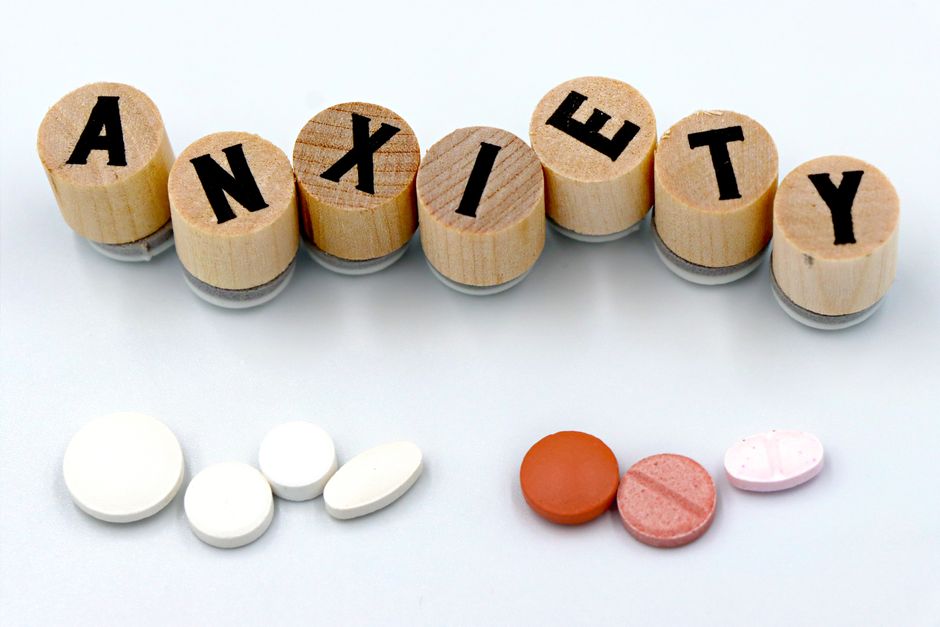
Anxiety is a normal part of being human. It becomes a problem when it starts running your life instead of protecting you from real danger. The key sign that it is time to get help is when your anxiety stops you from doing things you want or need to do — like going to work, seeing friends, or sleeping through the night. If you have felt on edge for weeks or months and it is not getting better on its own, that is your signal to talk to a professional.
What Is the Difference Between Normal Anxiety and an Anxiety Disorder?
Everyone feels anxious sometimes. A big presentation, a medical test, or a job interview can all trigger nervous feelings. That is normal. Your body is preparing you to perform or stay alert.
An anxiety disorder is different. It does not go away when the stressful event ends. It hangs around for weeks or months. The worry feels too big for the situation. You might know your fear is not rational but you cannot shake it.
The National Institute of Mental Health reports that about 19% of US adults had an anxiety disorder in the past year. That is roughly 1 in 5 people. So if you are struggling you are far from alone.
Normal anxiety comes and goes. An anxiety disorder stays. It interferes with your daily life. That is the main difference to watch for.
When To Get Help For Anxiety Key Signs To Know
There are clear signs that suggest it is time to reach out. You do not need to have all of them. Even one or two that feel severe can be enough reason to seek help.
Physical symptoms that do not go away. Racing heart, tight chest, headaches, stomach problems, and muscle tension are common. If your doctor has ruled out other medical causes and these keep happening, anxiety may be the root.
Avoiding people or places. You start skipping social events. You make excuses to stay home. You avoid driving certain routes or going to the grocery store. Avoidance is a major sign that anxiety is taking control.
Sleep problems. Trouble falling asleep because your mind races. Waking up in the middle of the night with worry. Feeling exhausted during the day but still unable to rest at night.
Panic attacks. Sudden waves of intense fear that come out of nowhere. Your heart pounds. You feel like you cannot breathe. You might think you are dying or losing your mind. Panic attacks are frightening but they are treatable.
Constant worry that you cannot stop. You think about the same things over and over. You imagine worst case scenarios. You struggle to focus on anything else. This kind of rumination wears you down over time.
If any of these have been happening for two weeks or more and are affecting your daily life, it is reasonable to get help. You do not need to wait until things get worse.
What Does Research Say About Treating Anxiety?
Research shows that anxiety disorders are highly treatable. The two most studied approaches are therapy and medication. Both work well for most people.
Cognitive behavioral therapy (CBT) is the most researched form of therapy for anxiety. Studies published in JAMA and other major journals show that CBT helps about 60-80% of people with anxiety disorders. It teaches you to identify anxious thoughts and change your response to them.
Medication options include selective serotonin reuptake inhibitors (SSRIs) like sertraline and escitalopram. These are not addictive and are generally safe for long term use. Benzodiazepines like Xanax work quickly but carry risk of dependence. Most doctors use them only for short periods.
Some studies suggest that combining therapy and medication works better than either alone. But many people do well with just therapy. The right choice depends on your specific situation and preferences.
Exercise, especially aerobic exercise, has moderate evidence for reducing anxiety symptoms. The CDC recommends 150 minutes of moderate activity per week. Even 10 minutes of walking can help in the moment.
One non-obvious point: research shows that avoiding what makes you anxious actually strengthens the anxiety over time. The more you avoid, the bigger the fear grows. That is why exposure therapy — facing fears in small controlled steps — is a core part of effective treatment.





How Do You Know If Your Anxiety Is Severe Enough for Help?
This is the question most people struggle with. You might think your anxiety is not “bad enough” to bother a doctor. That is a common trap.
Here is a practical way to think about it. Ask yourself: is my anxiety keeping me from living the life I want? If the answer is yes, it is severe enough.
Some people have mild anxiety that they manage fine on their own. That is not a problem. But if you are avoiding things, losing sleep, or feeling miserable most days, you deserve help. You do not need to hit rock bottom first.
Mental health professionals use tools like the GAD-7 questionnaire to measure anxiety severity. A score of 10 or higher out of 21 is considered moderate anxiety that likely needs treatment. You can find this questionnaire online and take it yourself. It is not a diagnosis but it can give you a sense of where you stand.
If you have thoughts of harming yourself at any point, that is an emergency. Call 988 in the US to reach the Suicide and Crisis Lifeline. Do not wait.
What Are the Common Misconceptions About Getting Help?
There are several myths that stop people from seeking treatment. Let me clear a few up.
Myth: Therapy is only for people with serious mental illness. That is not true. Many people see therapists for everyday stress, relationship issues, and mild to moderate anxiety. You do not need a diagnosis to benefit from talking to someone trained to help.
Myth: Medication will change who I am. SSRIs do not change your personality. They reduce the volume of anxiety so you can function better. Most people report feeling more like themselves, not less.
Myth: I should be able to handle this on my own. This belief keeps many people suffering longer than necessary. Anxiety is a medical condition, not a character flaw. You would not tell someone with diabetes to just handle it on their own.
Myth: If I start treatment I will need it forever. Many people do short term therapy — 8 to 20 sessions — and feel much better. They learn skills that last a lifetime. Medication is often used for 6 to 12 months then tapered off under a doctor’s guidance.
Some people report that online therapy works well for them. Others prefer in person. Both have evidence supporting them. The important thing is to start somewhere.
What Steps Should You Take If You Think You Need Help?
You do not need a big plan. Start with one simple step.
Talk to your primary care doctor. This is usually the easiest first step. Your doctor can rule out physical causes like thyroid problems or heart issues. They can also prescribe medication or refer you to a therapist. Many insurance plans require a referral anyway.
Look for a therapist. You can search online directories through the American Psychological Association or your insurance provider. Look for someone who specializes in anxiety and uses CBT. Ask about their experience with your specific type of anxiety.
Consider what format works for you. Some people prefer in person sessions. Others do well with video calls. There are also self guided programs based on CBT that have research backing them. The key is finding something you will actually do.
Be honest with your provider. Tell them exactly what you are experiencing. Do not downplay your symptoms. They cannot help you if they do not know what is really going on. If you feel embarrassed, say that too. Good therapists are used to hearing everything.
Here is a quick comparison of common treatment options:
| Treatment | How It Works | Time to Feel Better |
|---|---|---|
| CBT therapy | Changes thought patterns and behaviors | 4-12 weeks |
| SSRI medication | Increases serotonin in the brain | 4-8 weeks |
| Exercise | Reduces stress hormones | Immediate to 8 weeks |
| Mindfulness meditation | Trains attention and acceptance | 8-12 weeks of practice |
These timelines are averages. Some people respond faster. Some need longer. That is normal.
Frequently Asked Questions
When should I see a doctor for anxiety?
See a doctor when anxiety interferes with your daily life for two weeks or more. This includes trouble sleeping, avoiding activities, or feeling constant worry you cannot control.
What are the first signs that anxiety is getting worse?
Early warning signs include increased irritability, trouble concentrating, avoiding more situations, and physical symptoms like headaches or stomach issues. Pay attention if these start happening more often.
Can anxiety go away without treatment?
Mild anxiety sometimes improves on its own, especially if the stressor passes. But moderate to severe anxiety usually does not go away without some form of treatment. Waiting often makes it harder to treat later.
Is it normal to have anxiety every day?
No, daily anxiety that affects your quality of life is not normal. Occasional anxiety is expected, but persistent daily anxiety is a sign that you may have an anxiety disorder that needs professional attention.
