
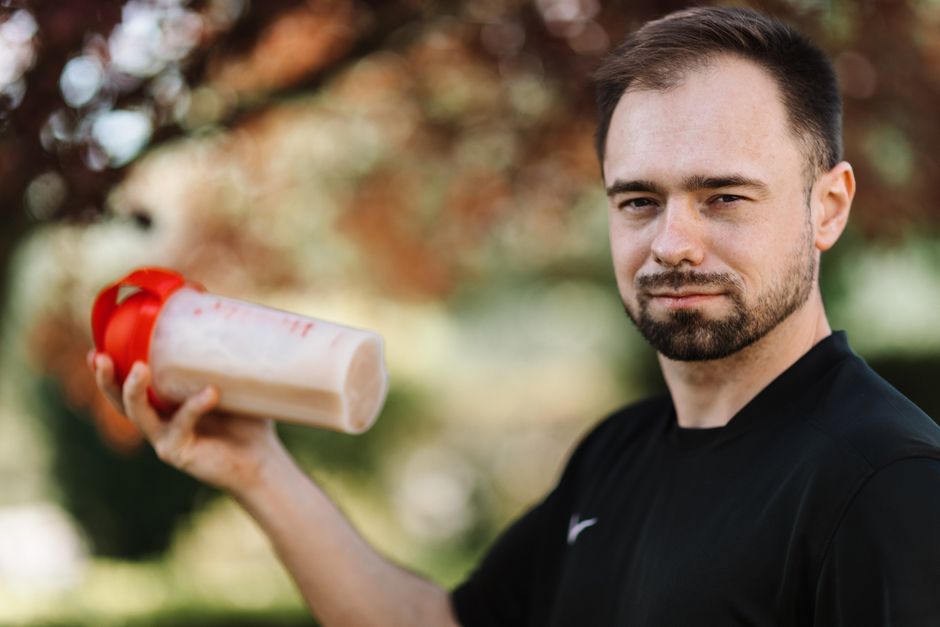
You have probably heard a dozen rules about the perfect time to drink a protein shake. Right after a workout. First thing in the morning. Never before bed. The real answer is simpler than all the noise. The best time to drink protein shakes for fat loss is whenever it helps you eat fewer total calories while preserving muscle. For most people that means using a shake as a meal replacement during busy mornings, or drinking one right after exercise to blunt hunger and support recovery. No single clock hour matters more than your full day’s protein and calorie intake.
Does protein timing actually matter for fat loss?
Protein timing is a detail, not the headline. Total daily protein matters far more. Your body does not reset its fat-burning machinery at midnight. It is the sum of your calorie deficit, your protein grams, and your activity that determines fat loss over weeks and months.
That said, timing can make the effort easier. A well-placed shake can crush cravings, protect hard-earned muscle, and stop you from grabbing less helpful snacks. Think of timing as a tool for consistency, not a magic switch.
Research consistently shows that spreading protein across the day — roughly every three to five hours — supports better muscle protein synthesis than cramming it all into one meal. Muscle preservation is critical during fat loss because muscle burns more energy at rest than fat does. The more lean mass you keep, the higher your resting metabolism stays. Even a modest benefit from timing can add up over many weeks of a calorie deficit.
How do protein shakes actually help with fat loss?
Protein shakes are not fat burners. They work indirectly. The first mechanism is satiety. Protein is the most filling macronutrient. A shake with 25 to 30 grams of protein can keep you comfortably full for several hours, making it easier to resist snacking.
The second mechanism is the thermic effect of food. Your body uses more energy to digest protein than it uses for carbs or fat. About 20 to 30 percent of protein’s calories are burned off just processing it. That is a small metabolic lift, but a real one.
The third mechanism is muscle retention. When you eat in a calorie deficit, your body looks for energy. Without enough protein and the right stimulus, it will break down muscle tissue. Replacing lost muscle slows metabolism, which is exactly what you want to avoid. A protein shake gives muscles the raw material to repair after exercise, even when total calories are low.
Is drinking a protein shake for breakfast helpful for fat loss?
For many people, yes. Mornings are chaotic. Skipping breakfast can lead to extreme hunger by 11 a.m., followed by poor food choices. A quick protein shake solves that.
Liquid meals digest faster than solid food, but a protein-rich shake still generates significant satiety. Some studies indicate that a high-protein breakfast reduces evening snacking and overall daily calorie intake. The key is what else goes in the blender. A shake made from protein powder, water or unsweetened milk, and maybe a handful of spinach or berries is a low-calorie, high-protein start. A blender bomb with nut butter, banana, oats, and honey can quickly become a meal-replacement shake that exceeds your calorie target for the morning. Keep the add-ins simple if the goal is fat loss.
If you are not hungry in the morning, forcing a shake is unnecessary. It is a tool for appetite control, not a requirement.
-
 How to Drink Protein Shakes for Weight Loss? Steps You Can Start Today
 -
How Important is Protein for Weight Loss? The Real Answer
-
What Are the Best Weight Loss Protein Shakes? A Closer Look
-
Which Are the Best Protein Shakes for Weight Loss?
-
Sleep Lean Reviews 2025: Side Effects And Consumer Reports Analyzed





Should you drink a protein shake before or after a workout?
The old “anabolic window” idea claimed you had to chug protein within 30 minutes of your last rep or the workout was wasted. That is not what the evidence suggests today. The window is wider, especially if you had a protein-rich meal a few hours before exercise.
For fat loss, post-workout shakes can be valuable because exercise, especially resistance training, raises hunger in many people. A shake immediately after the session restores protein synthesis and tames the post-gym appetite surge. That can stop you from overeating the calories you just burned.
Pre-workout shakes have their place too. If you train in the late afternoon and lunch was small, a shake 60 to 90 minutes before exercise can prevent the energy crash that leads to poor performance. Better performance means more muscle stimulus and a higher calorie burn during the session. The difference in fat loss between pre- and post-workout timing is tiny. Pick the one that fits your schedule and keeps your total day’s intake on track.
Can a protein shake before bed support fat loss?
A slow-digesting protein, like casein, consumed 30 to 60 minutes before sleep does something interesting. It supplies amino acids through the night, supporting muscle repair during a long fasting period. Some research suggests this can improve overnight recovery and slightly boost resting energy expenditure the next morning.
The effect on fat loss is indirect. If the nighttime shake replaces late-night snacking on chips, cookies, or ice cream, then it clearly helps. If it simply adds extra calories on top of a full day’s eating, it works against you. A modest casein shake — around 150 calories from powder and water — can be a strategic end to the day. It is not a must-do. It matters only if it fits your total calorie target.
How many protein shakes per day for fat loss?
There is no single number that works for everyone. The question is really about how many meals you can replace or supplement without missing out on whole-food nutrients. For most people, one or two shakes daily is practical and safe.
Relying on shakes for all your protein can backfire. Whole foods like lean meat, fish, eggs, legumes, and dairy bring fiber, vitamins, and minerals that powder does not. Chewing also contributes to satiety in ways a drink cannot fully replicate. Use shakes to fill gaps — a quick breakfast, a post-workout refuel, a late-afternoon snack — but keep at least two solid meals in your day.
What type of protein works best for fat loss?
Whey, casein, soy, pea, rice, and blends all work. The most important factor is the amino acid profile, specifically the leucine content that triggers muscle protein synthesis. Whey protein is rich in leucine and digests quickly. Casein digests slowly. Plant blends that combine pea and rice protein also provide a complete amino acid profile.
For fat loss specifically, the nutritional math matters more than the protein source. Compare labels. Some mass gainer powders pack in 300 calories per scoop with added sugars. A clean whey or plant protein isolate usually provides 20 to 25 grams of protein for around 100 to 120 calories. That efficiency gives you protein without pushing you out of a calorie deficit. No protein type melts fat on its own. Choose one with minimal added sugars and few ingredients.
How to stop a protein shake from turning into a calorie trap
The liquid calories in a poorly built shake can add up fast. A small detail changes the outcome. Use water, unsweetened almond milk, or fat-free dairy milk as the base. Full-fat coconut milk and large servings of oat milk can add 150 to 200 extra calories quickly.
Avoid spoonfuls of nut butter unless you measure them. One level tablespoon of peanut butter is about 95 calories. An unmeasured heavy scoop can double that. Fruits are fine, but an entire banana plus a cup of mango dramatically increases the sugar and calorie load. If you want flavor, use a dash of cinnamon, a few frozen berries, or unsweetened cocoa powder. These add nearly zero calories.
Finally, treat the shake as a meal replacement, not a beverage to sip alongside a full plate. If you drink it with a sandwich and chips, you are adding, not swapping. That is the moment a shake loses its fat-loss value.
Are there situations where drinking protein shakes for fat loss backfires?
Yes. The most common mistake is drinking shakes on top of a maintenance or surplus calorie intake and expecting body fat to drop. A protein shake is not a negative-calorie food. If you are already eating enough protein and calories from whole foods, adding a shake simply increases your intake and stalls fat loss.
Another backfire happens when people rely on shakes to “undo” a day of poor eating. A shake after a large meal of fried food does not cancel the excess energy. Your body tallies total calories, not intentions.
Some individuals also experience digestive issues from certain protein powders, especially whey concentrate if they have lactose intolerance. Bloating and discomfort can demotivate people from exercising and eating well, indirectly harming fat-loss progress. If that happens, switching to a plant protein or whey isolate often helps.
Finally, using protein shakes as a complete meal replacement for too long can lead to nutrient gaps. Real food variety matters for long-term health. Shakes are a tactic, not a lifestyle.
Frequently Asked Questions
Is it better to drink a protein shake in the morning or evening for fat loss?
Neither time is universally better. A morning shake can control daytime hunger, while an evening shake can block late-night snacking; choose the time that keeps your total daily calories lowest without leaving you hungry.
Can drinking a protein shake before bed cause weight gain?
Only if it pushes your daily calorie intake above your maintenance level. A small casein shake that fits your calorie budget will not cause fat gain and may support muscle repair overnight.
Should I drink a protein shake on rest days when trying to lose fat?
Yes, you still need protein on rest days to preserve muscle. If the shake helps you hit your protein target without exceeding calories, it is useful any day of the week.
Does the type of milk used in a protein shake affect fat loss?
It can. Switching from whole milk to water or unsweetened almond milk can save 100 to 150 calories per shake, which adds up across a week of fat-loss efforts.
