
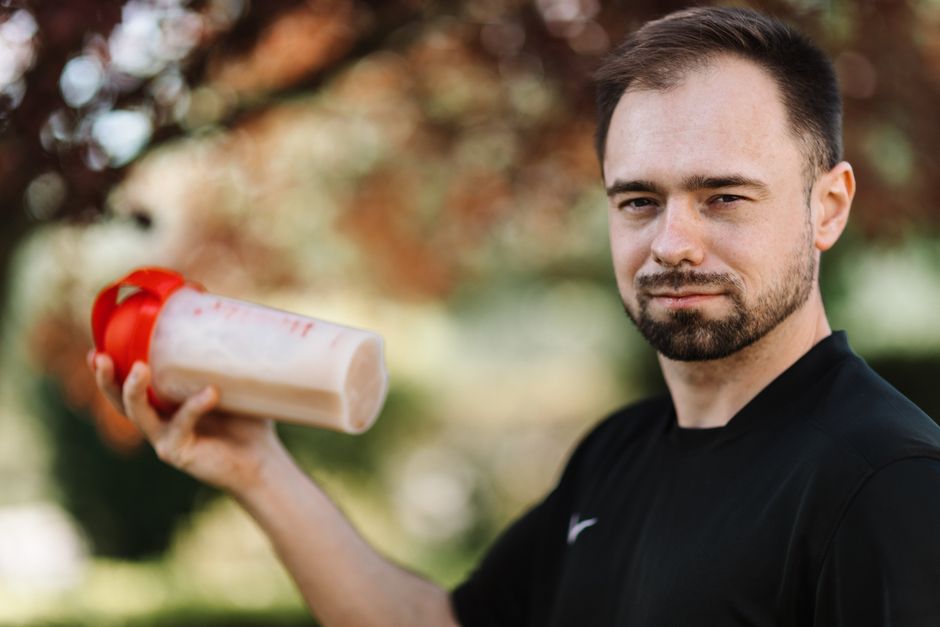
Protein shakes are a tool, not a magic potion. The exact timing matters less than your total daily protein intake. For most healthy adults, the best time to drink a protein shake is whenever it helps you reach your daily protein goal. That could be morning, post-workout, or before bed. For people training hard, a shake within a few hours after exercise helps with muscle repair, but the research does not support a tiny “anabolic window” of 30 minutes.
When Exactly Should You Drink a Protein Shake?
If you exercise, the most practical answer is within two hours after your workout. This timing supports muscle protein synthesis, which is the process your body uses to repair and build muscle tissue. Studies have consistently shown that consuming protein after resistance training improves recovery and supports muscle growth over time.
However, the idea that you must drink a shake within 30 minutes or you “miss the window” is not supported by current evidence. The research shows the window is much wider. Your muscles remain responsive to protein for at least 24 hours after training. What matters most is that you eat enough protein throughout the day.
If you do not exercise, timing is even less critical. Your priority should be spreading protein evenly across your meals. Most adults need between 20 and 40 grams of protein per meal to stimulate muscle protein synthesis effectively.
Does Post-Workout Timing Actually Matter?
Research consistently shows that total daily protein intake is the strongest predictor of muscle growth. One large analysis of multiple studies found that when total protein intake was equal, the timing of consumption made little difference in muscle mass or strength gains.
That said, there is a practical reason to drink a shake after training. It is convenient. A shake requires no cooking and digests quickly. If you finish a workout and cannot eat a solid meal within a few hours, a shake is a reliable way to get protein into your system.
Some research suggests that older adults may benefit more from precise timing. As we age, our muscles become less responsive to protein, a condition called anabolic resistance. For adults over 60, spreading protein intake across the day and consuming protein shortly after exercise may be more important than for younger people.
What About Drinking a Shake Before Bed?
Drinking a casein protein shake before bed is a common practice among athletes. Casein digests slowly, releasing amino acids into your bloodstream over several hours. This provides a steady supply of building blocks while you sleep.
The evidence here is modest but real. A few studies have found that consuming 30 to 40 grams of casein before sleep improves overnight muscle protein synthesis in trained individuals. However, these studies were small and mostly involved young men doing resistance training.
For the average person, a bedtime shake is not necessary. If you already eat enough protein during the day, your body has what it needs for overnight repair. The exception is if you are an athlete training twice a day or if your dinner was very low in protein.



Is a Morning Shake Better Than an Afternoon One?
There is no physiological reason a morning shake is superior to an afternoon shake. Your body does not have a protein clock that rewards early consumption.
What matters is your schedule. If you train in the morning, a shake afterward makes sense. If you train in the evening, your shake should come after that session. The best time is the time you can actually follow consistently.
One practical consideration: having protein early in the day can help you hit your total daily target. Many people eat a low-protein breakfast and a high-protein dinner. Research suggests that spreading protein more evenly across meals supports better muscle maintenance than eating most of it in one sitting. This is particularly relevant for older adults trying to prevent muscle loss.
How Much Protein Do You Actually Need Per Day?
The Recommended Dietary Allowance for protein is 0.8 grams per kilogram of body weight per day. That translates to about 54 grams for a 150-pound person. This amount prevents deficiency but is not optimized for muscle growth or athletic performance.
For active adults, research supports a higher intake. Studies suggest 1.2 to 2.0 grams per kilogram of body weight per day for people who exercise regularly. For a 175-pound person, that is roughly 95 to 160 grams of protein daily.
Per meal, research indicates that 20 to 40 grams of protein is enough to maximize muscle protein synthesis in most people. Consuming more than that in a single sitting does not appear to provide additional benefit. The excess protein is simply oxidized or stored.
| Activity Level | Protein Per Day (grams per kg body weight) | Example for 175 lb (80 kg) Person |
|---|---|---|
| Sedentary adult | 0.8 g/kg | 64 g |
| Recreational exerciser | 1.2–1.6 g/kg | 96–128 g |
| Serious athlete / bodybuilder | 1.6–2.0 g/kg | 128–160 g |
These numbers come from sports nutrition guidelines and are well supported by research. If you are unsure about your needs, tracking your food intake for a few days can give you a clear picture of where you stand.
Does Protein Timing Help With Weight Loss?
Protein timing can support weight loss indirectly. Protein is the most satiating macronutrient. It keeps you full longer than carbohydrates or fat. Consuming a protein shake as a snack or meal replacement can help control hunger and reduce total calorie intake.
Some research suggests that a higher protein breakfast improves appetite control throughout the day. One study found that women who ate a protein-rich breakfast consumed fewer calories at lunch compared to those who ate a carbohydrate-rich breakfast.
However, no evidence shows that drinking a shake at a specific time of day increases fat loss. Weight loss comes down to total calorie balance. Protein shakes can help you maintain muscle while in a calorie deficit, which supports a healthier body composition, but the timing of the shake is not the determining factor.
What Type of Protein Should You Choose?
Whey protein is the most studied form. It digests quickly and contains all nine essential amino acids. Research consistently shows that whey is effective for muscle building and recovery. It is a complete protein derived from milk.
Casein is also a milk protein but digests much more slowly. It is often recommended before bed because it provides a sustained release of amino acids. Soy protein is a complete plant-based option. Pea and rice proteins can be combined to create a complete amino acid profile, though individual plant proteins are often incomplete on their own.
The differences between these options matter less than you might think. Any complete protein that helps you reach your daily target is a good choice. If you have a dairy allergy or follow a vegan diet, plant-based options are perfectly adequate.
Can You Drink Too Many Protein Shakes?
It is possible to overdo it, but not in the way most people fear. Healthy kidneys handle high protein intake without damage. The idea that protein damages kidneys is a myth for people with normal kidney function. People with existing kidney disease should limit protein, but that is a medical condition requiring individualized advice.
Excess protein can contribute to weight gain if it pushes you into a calorie surplus. Protein contains calories like any other macronutrient. Four calories per gram.
Digestive discomfort is the more common issue. Some people experience bloating or gas from whey protein, especially if they are lactose intolerant. If this happens, try an isolate or a plant-based protein instead.
What Does the Research Say About the Anabolic Window?
The “anabolic window” is the term used for the supposed period after exercise when your body desperately needs protein. Fitness media often claim this window is 30 to 60 minutes. The research does not support this narrow window.
A comprehensive review of protein timing studies concluded that the window is actually several hours long. Consuming protein within two hours post-workout is sufficient. Some researchers argue that the total amount of protein you eat over the day matters more than any single timing decision.
One exception exists. If you train in a fasted state, such as first thing in the morning before eating, consuming protein soon after your workout becomes more relevant. Your muscles have been without amino acids for hours, so early protein intake helps shift your body into a muscle-building state.
Should You Drink a Shake on Rest Days?
Yes, if you need it to hit your daily protein target. Muscle repair does not stop on rest days. In fact, muscle protein synthesis can remain elevated for up to 48 hours after a training session. Your body needs adequate protein on rest days to complete that repair process.
Your total daily requirement does not change on rest days. You still need the same amount of protein to support recovery. If your meals provide enough protein, a shake is unnecessary. If you struggle to eat enough whole-food protein, a shake is a convenient supplement.
Practical Guidelines for Protein Shake Timing
- Post-workout: Within two hours after training, especially if you trained fasted or cannot eat a meal soon after.
- Meal replacement: When you are short on time and need a quick, portable source of protein.
- Before bed: If you are an athlete training heavily or your evening meal was low in protein. Casein is the better choice here.
- Morning: If it helps you spread your protein intake evenly across the day.
- Any time: When you are falling short of your daily protein goal.
The common thread is total intake. If you are hitting your daily protein target, the specific timing of your shake is a matter of convenience rather than biology.
Frequently Asked Questions
Is it bad to drink a protein shake without working out?
No, it is not bad, but it may add unnecessary calories. If you are not exercising, you likely do not need a supplement, and whole foods can meet your protein needs.
How long after a workout should I drink a protein shake?
Within two hours is a practical guideline. The old advice about a 30-minute window is not supported by research.
Can I drink a protein shake on an empty stomach?
Yes, it is safe and your body will digest it normally. Drinking one on an empty stomach after a fasted workout is actually a common and reasonable practice.
Is it better to drink a protein shake before or after a workout?
After is generally better for recovery, but the difference is small. What matters most is that you eat enough protein throughout the day.
