
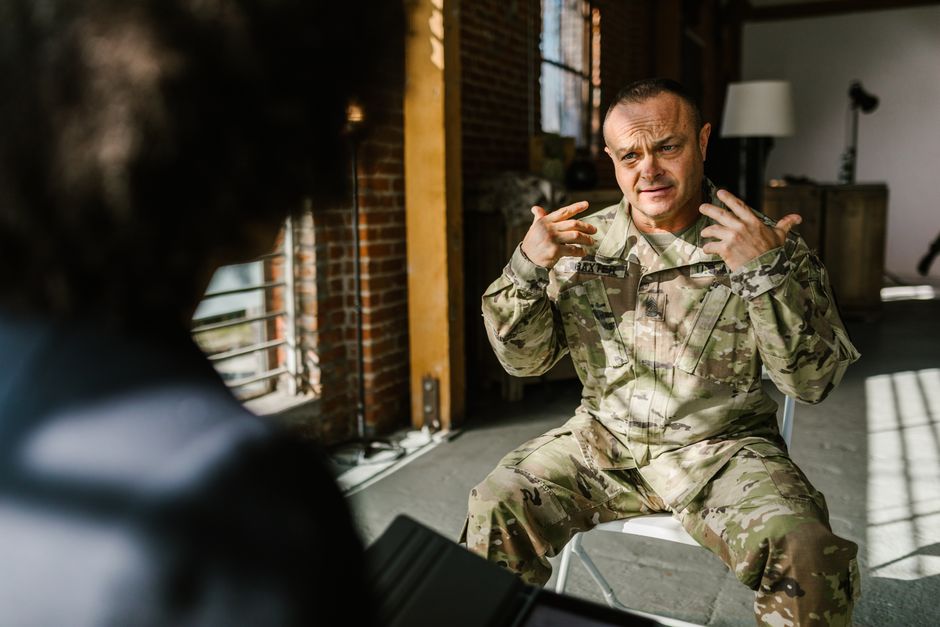
PTSD is not inevitable after trauma. Most people who experience a traumatic event do not develop post-traumatic stress disorder, and certain interventions delivered in the hours, days, and weeks after trauma can lower the risk for some people. The strongest evidence supports trauma-focused psychotherapy once symptoms appear. Evidence for “critical incident debriefing” right after a traumatic event is weak and in some cases suggests it may not help. Prevention is real but partial, and it depends heavily on timing, the type of trauma, and the person’s own history.
Is PTSD Preventable What Works Before And After Trauma?
There is no intervention that reliably prevents PTSD in everyone exposed to trauma. What exists is a set of approaches that reduce risk for some people under some conditions, and a clear understanding of what does not work.
The most consistent finding in trauma research is that social support in the aftermath of a traumatic event is associated with lower rates of PTSD. This is a correlational finding, not proof that support causes lower risk, but it is one of the most replicated patterns in the field. People who feel connected, believed, and practically helped tend to fare better than those who are isolated or blamed.
What does not work is less widely known. Single-session psychological debriefing, where people are asked to recount the trauma in detail shortly after it happens, has been studied for decades. Reviews of that research have generally found it does not reduce PTSD symptoms and may in some cases worsen outcomes. Many major guidelines now advise against mandatory debriefing. This is one of the clearest examples of a well-intentioned intervention that did not hold up.
What does have support is a stepped approach. Watchful waiting for the first days to weeks, then formal assessment, then trauma-focused therapy if symptoms persist. The timeline matters because many acute stress reactions resolve on their own.
What Is Actually Happening in the Brain After Trauma?
Trauma affects how the brain processes threat. The amygdala, which helps detect danger, becomes more reactive. The prefrontal cortex, which helps regulate emotional responses and put events in context, becomes less effective at dampening that reactivity. The hippocampus, involved in memory and context, appears to play a role in how memories get consolidated and retrieved.
This combination helps explain why trauma memories can feel present-tense rather than past. The memory is stored, but the contextual tagging that normally tells you “this happened then, not now” is disrupted. That is why a smell, sound, or image can trigger a full fear response.
Not everyone who experiences trauma develops these changes. Genetics, prior trauma exposure, childhood adversity, and the nature of the event all influence who does. This is why prevention cannot be one-size-fits-all. The same intervention given to two people with different histories may help one and do nothing for the other.
One clarification worth stating: PTSD is not a sign of weakness. It reflects a specific pattern of stress response that can develop in anyone given sufficient exposure and vulnerability. The idea that “strong people don’t get PTSD” is false and has been shown to discourage people from seeking help.
What Can Be Done in the First Hours and Days?
The evidence for specific interventions in the immediate aftermath is limited. What is well established is what to avoid and what to prioritize.
Prioritize safety, sleep, food, water, and connection to people you trust. These are not treatments, but they support the body’s own recovery processes. Sleep in particular appears important for memory consolidation, and disrupted sleep in the days after trauma is associated with worse outcomes.
Avoid mandatory detailed recounting of the event, especially in a group setting with strangers. If you want to talk, talk. If you do not, you should not be pressured to. The research on debriefing suggests that forced disclosure is not helpful and may be harmful.
Some clinicians use a brief intervention called psychological first aid. It focuses on safety, calming, connection, and practical help rather than processing the trauma. It is widely used in disaster response. The evidence base for it is modest, and it is best understood as a supportive framework rather than a proven treatment.
If you are in acute distress, contact a crisis line or a medical professional. Do not wait if you are having thoughts of harming yourself.





When Should Someone Seek Professional Help?
Most people who experience trauma have some stress symptoms in the first days. Difficulty sleeping, intrusive thoughts, feeling on edge, and avoiding reminders are common and often fade. The question is when they do not.
PTSD is generally diagnosed when symptoms persist for more than one month after the trauma and cause significant distress or impairment. Symptoms fall into four clusters: re-experiencing, avoidance, negative changes in mood and thinking, and changes in arousal and reactivity.
Seek help if symptoms are severe, if they are getting worse rather than better, if they interfere with work or relationships, or if you are having thoughts of suicide. You do not need to wait a full month to talk to a professional. Early assessment can help clarify what is happening and what options exist.
A common misconception is that seeking help early means you will be labeled or medicated. In practice, the first step is usually an assessment and a conversation about options. Medication is one option, not the default.
What Treatments Have the Strongest Evidence?
Trauma-focused psychotherapy has the strongest evidence for treating PTSD once it develops. The two best-studied forms are cognitive processing therapy and prolonged exposure therapy. Both involve working through the trauma memory and the beliefs that formed around it, with a trained therapist, over a structured course of sessions.
Eye movement desensitization and reprocessing, known as EMDR, also has substantial evidence. The mechanism is debated. Some researchers argue the eye movements themselves are not the active ingredient and that the benefit comes from the exposure and cognitive components. This is an honest area of disagreement in the field.
Medication can help. Certain antidepressants, particularly SSRIs, are approved for PTSD and have been shown to reduce symptoms. They are often used alongside therapy rather than instead of it. Benzodiazepines are generally not recommended for PTSD because they may interfere with the natural processing of fear memories and carry dependence risk.
What matters most is that treatment is trauma-focused and delivered by someone trained in it. General supportive counseling alone is less likely to resolve PTSD symptoms.
Can PTSD Be Prevented Before It Starts?
Primary prevention, meaning preventing PTSD before any trauma occurs, is not possible in the usual sense. You cannot prevent trauma from happening. What can be addressed is vulnerability.
People with a history of childhood adversity, prior trauma, or existing mental health conditions are at higher risk. Identifying and treating those conditions before a new trauma occurs may reduce the impact of a subsequent event. This is an area of active research, and the evidence is not yet strong enough to make firm recommendations.
What is better supported is early intervention after trauma for people who show signs of acute stress disorder. Acute stress disorder is diagnosed when trauma symptoms occur within the first month. Some evidence indicates that trauma-focused therapy started during this window can reduce the likelihood that symptoms progress to full PTSD. The evidence is not uniform across studies, and more research is needed.
Resilience is not a fixed trait. Social support, coping skills, and access to care all influence outcomes. These are modifiable to some degree, which is where prevention efforts have the most realistic footing.
What Does Not Help and May Cause Harm?
Several widely used practices have weak or negative evidence.
- Mandatory psychological debriefing in the immediate aftermath. Reviews have generally found no benefit and possible harm.
- Benzodiazepines prescribed soon after trauma to “prevent” PTSD. Some evidence suggests they may increase risk rather than reduce it.
- Forced disclosure in group settings with strangers.
- Assuming that everyone needs the same intervention. Trauma type, personal history, and current support all change what is appropriate.
This does not mean all early support is useless. It means the specific practices that have been marketed as prevention have not held up under study. Support that respects autonomy, provides practical help, and does not force processing appears more promising, though the evidence remains modest.
What Should You Do If You Are Not Sure?
If you are unsure whether what you are experiencing is normal recovery or something more, talk to a professional. There is no downside to an assessment. You can decide what to do with the information afterward.
If someone you care about has been through trauma, the most helpful thing you can do is often simple. Be present. Do not push them to talk if they do not want to. Help with practical needs. Check in over time, not just in the first week. Many people find that support fades right when they need it most.
The honest summary is this: PTSD is not fully preventable, but risk can be reduced. The evidence supports avoiding forced debriefing, prioritizing safety and connection, monitoring symptoms over the first month, and getting trauma-focused therapy if symptoms persist. That is what the research currently shows.
Frequently Asked Questions
Can PTSD be prevented after a traumatic event?
It cannot be prevented in everyone, but risk can be reduced for some people. Avoiding forced debriefing, maintaining social support, and getting early trauma-focused therapy if symptoms persist are the approaches with the most support.
Does psychological debriefing prevent PTSD?
Reviews of the research have generally found that single-session debriefing does not reduce PTSD symptoms and may worsen outcomes in some cases. Most major guidelines now advise against mandatory debriefing.
How long after trauma do PTSD symptoms appear?
Symptoms often begin within the first days and may fade on their own. PTSD is diagnosed when symptoms persist for more than one month and cause significant distress or impairment.
What is the most effective treatment for PTSD?
Trauma-focused psychotherapy, including cognitive processing therapy and prolonged exposure therapy, has the strongest evidence. Certain antidepressants are also approved and can be used alongside therapy.
