
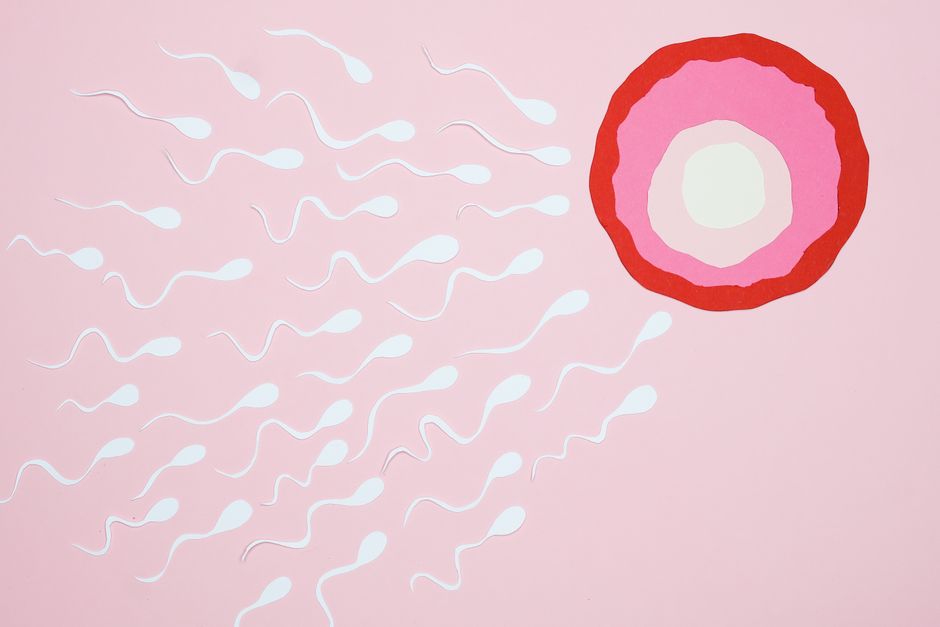
Ovulation happens once per cycle, typically around day 14 of a 28-day cycle. The exact timing varies person to person, but it always occurs about 10-16 days before your next period starts. That two-week window after ovulation is the most stable part of the menstrual cycle, which is why doctors use it to predict when ovulation actually happened.
What Exactly Happens During Ovulation?
Ovulation is the release of a mature egg from one of your ovaries. The egg travels into the fallopian tube where it can meet sperm for fertilization. This process is controlled by a precise rise and fall of hormones including estrogen and luteinizing hormone.
About 24-36 hours before ovulation, your body releases a surge of luteinizing hormone, or LH. This LH surge triggers the ovary to release the egg. Once released, the egg lives for about 12-24 hours. If sperm does not fertilize it during that window, the egg dissolves and you get your period roughly two weeks later.
The American College of Obstetricians and Gynecologists explains that the average menstrual cycle is 28 days, but cycles ranging from 21 to 35 days in adults are still normal. The key point is that ovulation timing shifts with your cycle length. A person with a 35-day cycle typically ovulates around day 21, not day 14.
How Can You Tell When You Are Ovulating?
Your body gives several physical signs that ovulation is happening or about to happen. These signs are useful for tracking your fertile window, which is the six-day period ending on the day of ovulation.
Cervical mucus changes. Right before ovulation, cervical mucus becomes clear, stretchy, and slippery, similar to raw egg whites. This happens because estrogen levels rise, and the mucus helps sperm swim toward the egg. After ovulation, mucus turns thicker, cloudy, or dries up completely.
Basal body temperature shift. Your resting temperature rises about 0.5 to 1 degree Fahrenheit after ovulation due to the hormone progesterone. This temperature rise confirms that ovulation already happened. It does not predict ovulation in real time, but tracking it over several months reveals your personal pattern.
Ovulation pain. Some people feel a mild cramp or twinge on one side of the lower abdomen around ovulation. This is called mittelschmerz, which is German for “middle pain.” Research published in the journal Human Reproduction found that about 40% of people experience this sensation at least occasionally. It is harmless but can be uncomfortable.
Other possible signs include breast tenderness, bloating, a higher sex drive, and a heightened sense of smell. These vary widely from person to person and cycle to cycle.
What Tools Can Help You Track Ovulation Accurately?
Several at-home methods can help you pinpoint your ovulation day more precisely than just counting calendar days. Each method has different strengths and limitations.
| Method | What It Detects | Accuracy | Best For |
|---|---|---|---|
| Ovulation predictor kits (OPKs) | LH surge in urine | High for detecting surge, but surge does not always mean ovulation occurred | Predicting ovulation 24-36 hours in advance |
| Fertility monitors | Estrogen and LH levels | Higher than basic OPKs | People with irregular cycles |
| Basal body temperature charting | Progesterone-related temperature rise | Confirms ovulation after it happens | Identifying your personal ovulation pattern over time |
| Cervical mucus tracking | Estrogen-driven mucus changes | Moderate, requires daily attention | Real-time fertile window awareness |
Ovulation predictor kits are the most common at-home tool. You pee on a stick once daily starting a few days before you expect to ovulate. A positive result means your LH surge has begun, and ovulation will likely occur within the next 24-36 hours. The CDC notes that OPKs are about 99% accurate at detecting the LH surge when used correctly.
However, a positive OPK does not guarantee that ovulation actually happens. Some people have a condition called luteinized unruptured follicle syndrome, where the LH surge occurs but the egg does not release. This is rare but possible. Temperature charting the following days can confirm whether ovulation truly occurred.
Fertility monitors that track both estrogen and LH are more sophisticated. They give you a wider window of fertile days because estrogen rises before LH. Studies in Obstetrics & Gynecology have found these monitors to be about 90% accurate at identifying the fertile window.





When Do Females Ovulate With Irregular Periods?
Irregular cycles make ovulation timing harder to predict. If your cycles vary by more than seven days from month to month, standard calendar methods will not work well for you.
Common causes of irregular ovulation include polycystic ovary syndrome (PCOS), thyroid disorders, extreme stress, significant weight changes, and approaching menopause. The Endocrine Society reports that PCOS affects about 10% of women of reproductive age and is the most common cause of irregular ovulation.
If you have irregular cycles, tracking cervical mucus and using a fertility monitor that detects both estrogen and LH can be more helpful than OPKs alone. Some people ovulate later than expected, sometimes around day 20 or even day 40 of their cycle. Without consistent tracking, you can easily miss your fertile window entirely.
Research in the journal Fertility and Sterility found that people with irregular cycles who used fertility monitors had pregnancy rates similar to those with regular cycles after six months of trying. The key is consistent daily tracking rather than guessing based on calendar dates alone.
Does Age Affect When You Ovulate?
Age changes ovulation timing and egg quality. As you get older, your ovarian reserve — the number of eggs remaining — declines. This does not necessarily shift the day of ovulation within your cycle, but it does affect the likelihood of conceiving each month.
For most people, cycles remain regular through their 20s and early 30s. After age 35, cycles may shorten slightly, and ovulation may occur earlier in the cycle. The American Society for Reproductive Medicine states that fertility begins to decline gradually around age 32 and more rapidly after age 37.
By age 40, about 50% of cycles may be anovulatory, meaning no egg is released at all. This is normal and part of the natural transition toward menopause. Tracking ovulation becomes more important if you are trying to conceive after 35, because the window of opportunity narrows each year.
Perimenopause, which typically starts in the mid-40s, brings unpredictable cycles and erratic ovulation. Some months you may ovulate normally, other months you may skip ovulation entirely. This is why pregnancy is still possible during perimenopause but harder to plan around.
Common Misconceptions About Ovulation Timing
Several myths about ovulation are widespread online. Here are the ones that cause the most confusion.
Myth: Ovulation always happens on day 14. This is only true for people with textbook 28-day cycles. Many people ovulate earlier or later depending on their cycle length. Using day 14 as a universal rule will cause you to miss your actual fertile window.
Myth: You cannot get pregnant if you have sex during your period. This is false. Sperm can live inside the reproductive tract for up to five days. If you ovulate soon after your period ends, sperm from intercourse during your period can still fertilize the egg. This is more likely with short cycles of 21-24 days.
Myth: Ovulation pain means you are ovulating right now. Pain can occur before, during, or after the egg is released. Some people feel pain during the LH surge, others feel it when the follicle actually ruptures. Pain is not a precise timing tool.
Myth: You ovulate exactly two weeks before your period. The post-ovulation phase, called the luteal phase, is typically 12-16 days long. But it can vary from person to person. If your luteal phase is 10 days, you will ovulate 10 days before your period, not 14. This is normal and does not necessarily indicate a problem.
Myth: Birth control pills permanently affect ovulation timing. After stopping birth control pills, most people ovulate within two weeks. Some may take a few months to return to a regular pattern, but there is no long-term damage to ovulation function. The American College of Obstetricians and Gynecologists confirms that fertility returns quickly after stopping most forms of hormonal contraception.
Frequently Asked Questions
Can you ovulate more than once in a cycle?
No, only one egg is typically released per cycle. However, in rare cases, two eggs may be released within 24 hours of each other, which can lead to fraternal twins.
How long does ovulation last each month?
The egg survives for about 12-24 hours after release. The fertile window lasts about six days because sperm can live in the body for up to five days before ovulation.
Can stress delay ovulation?
Yes, significant stress can delay or even prevent ovulation. High cortisol levels can interfere with the hormonal signals needed to trigger the LH surge.
Do you still ovulate if you have irregular periods?
Yes, but less predictably. Some cycles may be anovulatory while others are normal. Tracking physical signs like cervical mucus can help identify when ovulation is actually happening.
