
Tretinoin is one of the most effective prescription skincare ingredients available, but it is also one of the most irritating if used incorrectly. The short answer to when to apply it: use it once daily, at night, on completely dry skin. You should not apply it in the morning because sunlight breaks down the molecule and reduces its effectiveness. This routine is not complicated, but it requires specific timing and patience to get right.
Why Tretinoin Goes On At Night
Tretinoin is a form of vitamin A called a retinoid. It works by speeding up skin cell turnover and stimulating collagen production. These effects take weeks to become visible, but the chemistry starts working within hours of application.
The primary reason for nighttime use is photostability. Tretinoin is highly unstable when exposed to ultraviolet (UV) light from the sun. Exposure to sunlight can degrade the medication before it has a chance to work. Manufacturers formulate it to be stable in the tube, but once applied to the skin, UV exposure rapidly breaks it down.
There is a second reason for nighttime application. Tretinoin increases skin sensitivity to UV radiation. This means your skin is more prone to sunburn and sun damage while you are using it. Applying it at night and washing it off in the morning does not eliminate this sensitivity, but it does reduce the risk of direct interaction between the drug and sunlight.
Morning use is not recommended by dermatologists or drug manufacturers. If you apply it during the day, you lose effectiveness and increase irritation risk simultaneously. There is no benefit to daytime application.
The Correct Order In Your Evening Routine
The most common mistake people make is applying tretinoin to damp skin. Water on the skin increases penetration of the medication dramatically. This sounds like a good thing, but it leads to severe irritation, redness, and peeling. The drug absorbs too fast and too deeply.
Your evening routine should follow a specific sequence:
- Wash your face with a gentle cleanser.
- Pat your skin dry with a clean towel.
- Wait at least 20 to 30 minutes for your skin to completely air dry.
- Apply a pea-sized amount of tretinoin to your face.
- Wait 10 to 20 minutes.
- Apply a moisturizer on top.
The waiting period is not optional. It is the single most important step for preventing irritation. When skin is damp, tretinoin penetrates faster than the skin can tolerate. Waiting allows the skin barrier to recover from cleansing and prevents the medication from being pulled deep into the pores.
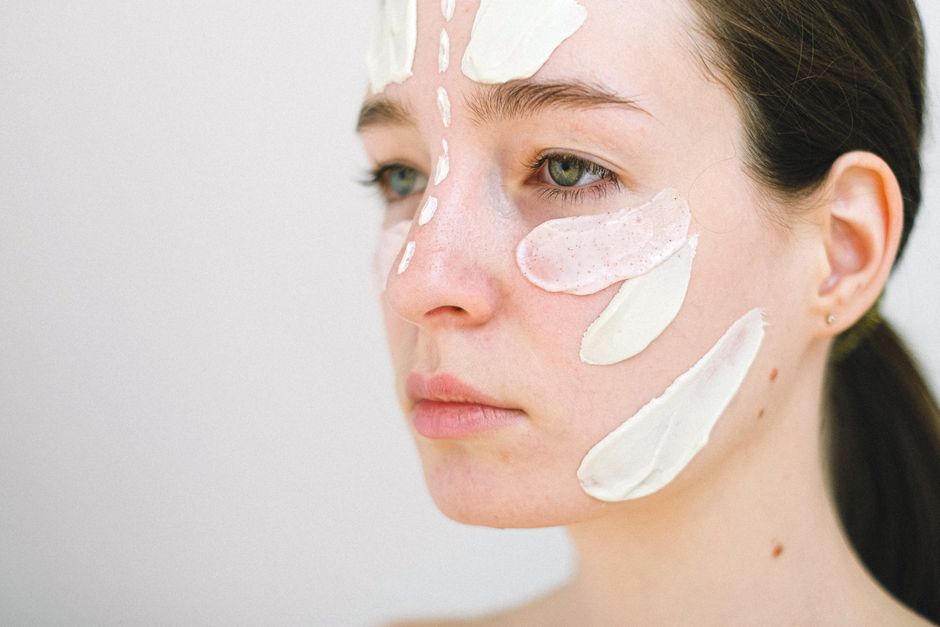
A pea-sized amount is the standard dose for the entire face. Using more does not give better results. It only increases irritation. One pea covers the full face evenly when applied as thin dots across the forehead, cheeks, chin, and nose, then gently spread.
The “sandwich method” is another option. Apply moisturizer first, wait for it to dry, then apply tretinoin, then apply another layer of moisturizer. This buffers the medication and reduces irritation. It is slightly less effective than applying tretinoin directly to bare skin, but it is an excellent option for people with sensitive skin or those just starting out.
How To Start Without Destroying Your Skin Barrier
Starting tretinoin at the wrong frequency is the fastest way to give up on it. Many people apply it every night from day one and end up with red, peeling, burning skin. They stop using it and lose the long-term benefits.
Dermatologists generally recommend starting with two to three nights per week. This allows your skin to build what is called retinization — the process where skin adapts to the medication. During this period, you may experience dryness, flaking, and mild redness. These side effects are normal and temporary, but they can be minimized with a slow start.
After two to four weeks, you can increase to every other night if your skin tolerates it. After another month, you may be ready for nightly use. Some people never reach nightly use. That is fine. Even two to three nights per week produces significant improvement in acne and signs of aging.
Consistency matters more than frequency. Using tretinoin twice a week consistently for six months produces better results than using it nightly for two weeks and then stopping.
During the first few weeks, your skin may appear worse before it looks better. This is called the purging phase. Acne that was forming below the surface comes to the surface faster. This phase typically lasts four to six weeks. It does not mean the medication is failing.





What To Avoid When Using Tretinoin
Certain products and habits can interfere with tretinoin or increase its side effects. Knowing what to avoid is as important as knowing when to apply it.
Do not use other exfoliating acids on the same night as tretinoin. This includes glycolic acid, salicylic acid, and lactic acid. Combining them overwhelms the skin barrier. If you want to use an acid, use it on a morning or on a night when you skip tretinoin.
Benzoyl peroxide is a common acne treatment that combines with tretinoin in some prescription products. But if you use them separately, do not apply them at the same time. Benzoyl peroxide can oxidize tretinoin and reduce its effectiveness. Apply one in the morning and the other at night, or alternate days.
Avoid waxing your face while using tretinoin. The medication thins the top layer of skin, making it more fragile. Waxing can pull off layers of skin and cause scarring. If you need to remove facial hair, use tweezers or a razor instead.
Do not apply tretinoin to broken, sunburned, or eczematous skin. It will sting and may cause further damage. Wait until the skin heals before resuming use.
Moisturizer And Sunscreen Are Not Optional
Tretinoin is a prescription medication that changes how your skin behaves. It accelerates cell turnover, which means the protective outer layer of skin is thinner and less able to hold moisture. Without a moisturizer, your skin will feel tight and flaky.
Apply a moisturizer after tretinoin has dried. Look for fragrance-free products with ceramides or hyaluronic acid. These ingredients support the skin barrier and help retain water. Avoid heavy ointments that feel greasy unless your skin is extremely dry.
Sunscreen is equally important. Tretinoin makes your skin more sensitive to UV damage. This is not a minor concern. Using tretinoin without daily sunscreen increases your risk of sunburn and long-term sun damage, which defeats the purpose of using an anti-aging medication.
Use a broad-spectrum sunscreen with SPF 30 or higher every morning. This applies even on cloudy days and when you are indoors near windows. UV rays pass through glass and clouds.
Can You Apply Tretinoin In The Morning?
No. There is no scenario where morning application is recommended. The medication is degraded by UV light, and it increases your skin’s sensitivity to the sun. Applying it in the morning means you lose most of the benefit while increasing your risk of sun damage.
Some people ask about applying it in the morning if they stay indoors all day. This is still not advised. Indoor lighting and window-filtered sunlight contain UV radiation. Even minimal exposure can degrade the medication.
The only exception is if your doctor specifically instructs you to use it in the morning for a particular reason. This is extremely rare and should not be attempted on your own.
Frequently Asked Questions
How long should I wait after washing my face before applying tretinoin?
Wait at least 20 to 30 minutes after washing and drying your face. This ensures your skin is completely dry, which prevents the medication from absorbing too deeply and causing irritation.
Should I apply tretinoin before or after moisturizer?
Apply tretinoin first to clean, dry skin, then wait 10 to 20 minutes and apply moisturizer on top. If your skin is very sensitive, apply moisturizer first, wait for it to dry, then apply tretinoin.
Can I use tretinoin every night?
Yes, once your skin has adjusted, nightly use is appropriate for most people. Start with two to three nights per week and gradually increase over several weeks to minimize irritation.
What happens if I apply tretinoin to damp skin?
Applying tretinoin to damp skin increases absorption dramatically, which leads to severe redness, peeling, and burning. Always wait for your skin to dry completely before application.
