
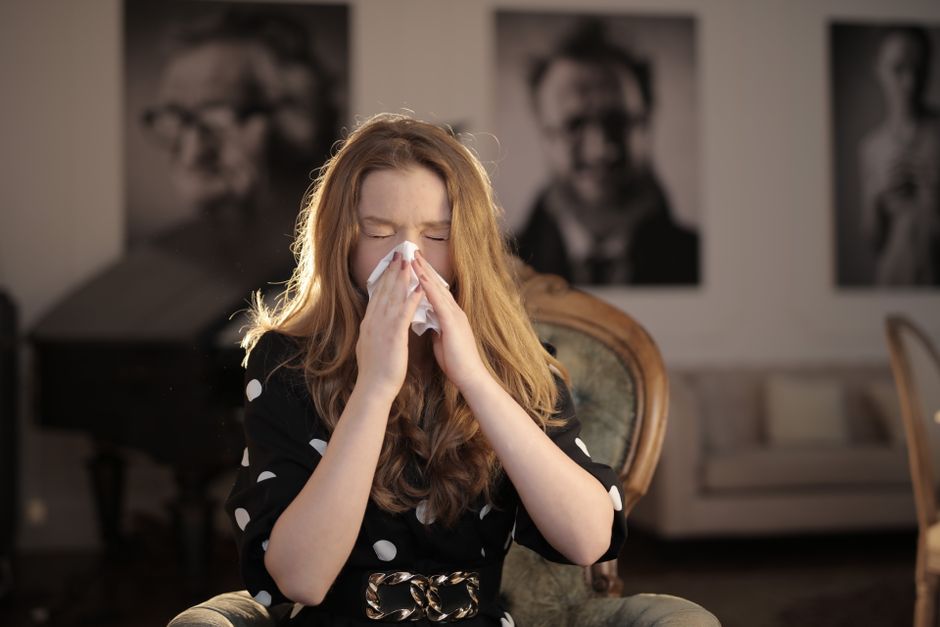
Asbestos exposure can lead to serious health problems, but the symptoms often take decades to appear. The most common symptoms include a persistent dry cough, shortness of breath, chest tightness, and unexplained weight loss. These signs rarely show up right after exposure—they typically develop 20 to 40 years later, which is why many people do not connect their symptoms to past exposure.
What Are The Symptoms Of Asbestos Exposure?
The symptoms depend on which disease is present. Asbestos can cause several conditions, and each has its own set of signs. The most well-known are asbestosis, lung cancer, and mesothelioma.
Common symptoms across these conditions include:
- A dry, persistent cough that does not go away
- Shortness of breath, especially with activity
- Chest pain or tightness
- Unexplained weight loss
- Fatigue and weakness
- Clubbing of the fingertips (widening and rounding of the fingertips)
Some people have no symptoms at all for years. The disease can progress silently. By the time symptoms appear, the condition may already be advanced.
How Does Asbestos Cause Damage In The Body?
Asbestos fibers are microscopic. When inhaled, they travel deep into the lungs and settle in the lung tissue. The body cannot break these fibers down or remove them effectively.
Over time, the fibers cause irritation and inflammation. The body responds by forming scar tissue. This scarring is called fibrosis. When it becomes widespread, it is known as asbestosis.
Asbestosis makes the lungs stiff. Stiff lungs cannot expand fully, which makes breathing harder. The scar tissue also reduces the amount of oxygen that reaches the bloodstream.
The same fibers can also damage the DNA of lung cells. This damage can lead to cancer. Mesothelioma is a rare cancer of the lining around the lungs or abdomen. It is almost exclusively caused by asbestos exposure.
What Does Shortness Of Breath From Asbestos Feel Like?
Shortness of breath is often the first noticeable symptom. It usually starts during physical activity. Climbing stairs or carrying groceries may leave you winded in a way that feels unusual.
As the disease progresses, breathlessness can happen during everyday tasks. In advanced stages, it can occur even at rest. This symptom is caused by the stiffening of lung tissue and the reduced ability to transfer oxygen into the blood.
Shortness of breath can also be caused by fluid buildup around the lungs. This is more common in mesothelioma. The fluid presses on the lungs, making it hard to take a full breath.





When Do Symptoms Of Asbestos Exposure Appear?
Symptoms do not appear quickly. There is always a long delay between exposure and disease. This period is called the latency period.
For asbestosis, symptoms usually appear 10 to 20 years after exposure. For lung cancer, the delay is often 15 to 35 years. Mesothelioma has the longest latency, often 20 to 50 years.
This long delay means that someone exposed in their 20s may not notice symptoms until their 50s or 60s. The disease develops slowly, and early signs are easy to dismiss as aging, a cold, or being out of shape.
How Are Asbestos-Related Diseases Diagnosed?
Diagnosis starts with a detailed medical history. Your doctor will ask about past jobs, military service, or home environments where asbestos exposure may have occurred. This information is critical because symptoms alone are not enough to confirm an asbestos-related disease.
Imaging tests are the next step. A chest X-ray can show scarring or fluid buildup. A CT scan provides more detail and can detect smaller abnormalities.
Pulmonary function tests measure how well your lungs move air in and out. These tests can show reduced lung capacity even before symptoms are severe.
If mesothelioma is suspected, a biopsy is usually needed. A small sample of tissue is removed and examined under a microscope. This is the only way to confirm a mesothelioma diagnosis.
Are There Early Warning Signs Before Serious Disease Develops?
There are no reliable early warning signs specific to asbestos exposure. The diseases do not have a distinct “early stage” symptom set that is easy to recognize.
Some people report a mild cough or slight breathlessness that comes and goes. These symptoms are so common in the general population that they are often ignored. They can also be caused by smoking, allergies, or other lung conditions.
If you know you have been exposed to asbestos, do not wait for symptoms. Talk to your doctor about monitoring. Regular checkups and imaging can catch problems earlier than waiting for symptoms to force a visit.
What Are The Risk Factors For Developing Symptoms?
The biggest risk factor is cumulative exposure. More exposure over time means a higher chance of disease. People who worked in construction, shipyards, insulation, and automotive brake repair have higher risk.
Smoking dramatically increases the risk of lung cancer in people exposed to asbestos. The two factors multiply the risk rather than just adding to it. A person who both smokes and has asbestos exposure has a far higher lung cancer risk than someone with only one of those risk factors.
Family members of exposed workers also face risk. Asbestos fibers can be carried home on clothing, hair, and skin. Washing work clothes with household laundry can expose the entire family.
Can Symptoms Be Treated Or Reversed?
There is no cure for asbestosis or mesothelioma. The damage to lung tissue is permanent. Treatment focuses on managing symptoms and slowing progression.
For asbestosis, treatment may include oxygen therapy to help with breathing. Pulmonary rehabilitation can improve exercise tolerance. Medications can help reduce inflammation, though they do not reverse scarring.
For mesothelioma, treatment depends on the stage. Surgery, chemotherapy, and radiation are options. Some patients qualify for newer immunotherapy drugs. Outcomes vary widely based on how early the cancer is found and the patient’s overall health.
Stopping smoking is the single most important step for anyone with asbestos exposure. It reduces the added risk of lung cancer and improves overall lung function.
What Should You Do If You Suspect Past Exposure?
If you worked in a high-risk industry or lived with someone who did, tell your doctor. Be specific about the years of exposure and the type of work involved.
Your doctor may recommend baseline imaging. This provides a reference point for future comparisons. If changes appear later, they can be spotted earlier.
Do not rely on home tests or online symptom checkers. They cannot detect asbestos-related disease. Only medical imaging and clinical evaluation can do that.
There is no safe level of asbestos exposure. Even brief exposure carries some risk. However, the risk is much lower than for prolonged occupational exposure. A single brief encounter does not mean you will develop disease.
Frequently Asked Questions
How long after asbestos exposure do symptoms appear?
Symptoms typically appear 10 to 50 years after exposure, depending on the disease. Mesothelioma has the longest delay, often 20 to 50 years.
Can asbestos symptoms show up immediately after exposure?
No. Immediate symptoms are not a sign of asbestos disease. The conditions caused by asbestos take decades to develop.
What is the first sign of asbestos exposure?
Shortness of breath with activity is often the first noticeable symptom. A persistent dry cough and chest tightness are also common early signs.
Can a blood test detect asbestos exposure?
No blood test can confirm asbestos exposure or diagnose asbestos-related disease. Diagnosis requires imaging and sometimes a biopsy.
