
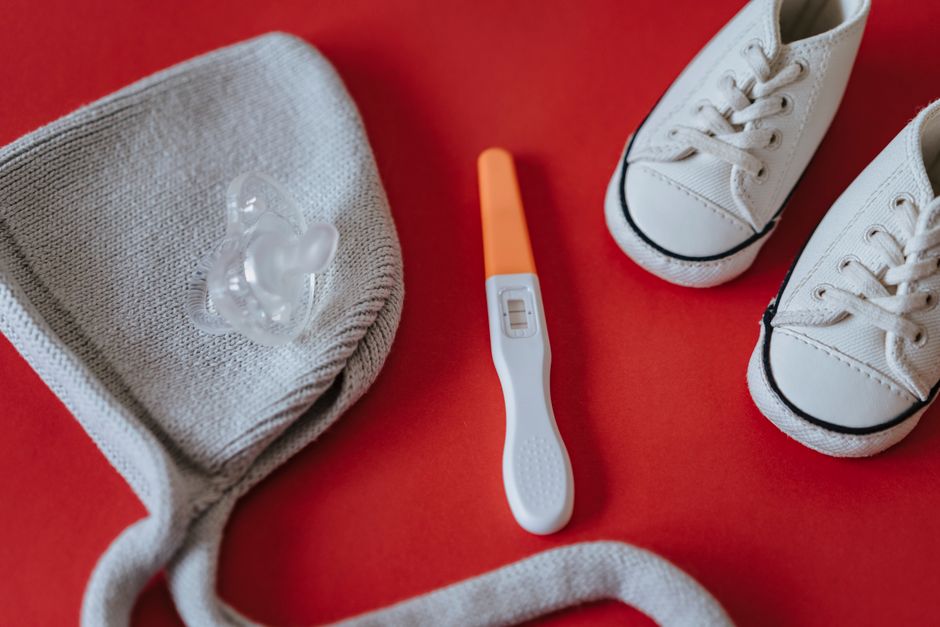
Finding out you are pregnant brings a mix of excitement, joy, and a long list of questions. One of the first big decisions you will face is when to share the news. Many people wait until the end of the first trimester, around 12 weeks, because the risk of miscarriage drops significantly after that point. However, there is no medical rule that says you must wait. The right time depends on your comfort level, your health situation, and who you are telling.
Why Do So Many People Wait Until 12 Weeks?
The 12-week mark is a common milestone, and for good reason. The first trimester is when the risk of miscarriage is highest. Studies consistently show that the majority of early pregnancy losses happen before the 12th week of gestation. Once a pregnancy reaches this point, the chances of it continuing to full term increase substantially.
Many couples choose to wait until this milestone to share their news with a wider circle. They want to avoid having to explain a loss to acquaintances, coworkers, or extended family. This is a personal choice, not a medical requirement. For some, the support of close friends and family during those early weeks is more valuable than the privacy of waiting.
Your medical history matters here too. If you have experienced recurrent pregnancy loss or are using fertility treatments, your doctor may have specific guidance for you. In those cases, the timeline for sharing news might shift based on your individual risk factors and the results of early ultrasounds.
When To Announce Pregnancy to Close Family and Friends
Your inner circle is different from your wider social network. Telling your partner, your parents, or your closest friend early is often necessary. You might need emotional support, practical help with nausea, or someone to talk to during early appointments. Sharing with a few trusted people does not mean you have to tell everyone.
There is no evidence that waiting to announce reduces the risk of miscarriage. The idea that you should wait because “something might happen” is rooted in protecting yourself from difficult conversations, not in medical science. If you would want your mother or your best friend beside you during a hard time, there is no reason to exclude them from the early weeks of a happy one.
Have an honest conversation with your partner about who you both want to tell early. Agree on the list. This prevents one of you from accidentally sharing news the other wanted to keep private.
What to Expect in the First Trimester Before You Announce
The weeks between a positive test and a 12-week ultrasound are full of physical changes. Many women experience fatigue that feels overwhelming. Nausea, breast tenderness, and frequent urination are also common. These symptoms can make it hard to hide a pregnancy, especially in a workplace setting.
Your first prenatal appointment usually happens between 8 and 10 weeks. At this visit, your doctor will confirm the pregnancy, estimate your due date, and may perform an ultrasound. This early scan can detect a fetal heartbeat. Seeing or hearing that heartbeat is often the moment when the pregnancy feels real and when many people feel more confident about sharing the news.
If you are struggling with severe morning sickness, you may need to tell your employer earlier than planned. Vomiting multiple times a day or needing to leave work suddenly is hard to explain without context. In this situation, telling your direct supervisor that you are pregnant is a reasonable step. You do not need to share the news with your whole team to request an accommodation.





Announcing at Work: Timing and Your Rights
Workplace announcements carry different weight than personal ones. You are not legally required to tell your employer about a pregnancy at any specific time. In the United States, the Pregnancy Discrimination Act protects you from being fired or demoted because you are pregnant. The Family and Medical Leave Act (FMLA) provides eligible employees with up to 12 weeks of unpaid leave, but you must have worked for your employer for at least 12 months and 1,250 hours to qualify.
Many professionals wait until after the first trimester to tell their employer. This gives them time to pass the highest-risk period and to plan how to manage their workload. If your job involves physical labor, exposure to chemicals, or long shifts, you may need to discuss accommodations earlier. Your doctor can provide documentation about any work restrictions that are medically necessary.
Think practically about your timing. If you have a major project due or an annual review coming up, you might choose to announce after those events. This is not about hiding anything. It is about managing your professional life with the information you have.
Social Media and the Big Public Announcement
A public announcement on social media is a different decision entirely. Once the news is online, it is public. You cannot control who sees it or how they react. Many couples wait until after the 12-week ultrasound and the results of early genetic screening tests before posting anything.
There is no medical reason to announce at a specific time on social media. The choice is entirely about your comfort and your desire for privacy. Some people enjoy sharing a creative announcement with a photo or a clever caption. Others prefer to tell people in person or over the phone and never post about their pregnancy at all.
If you have experienced a loss in the past, a public announcement can feel especially stressful. You might feel pressure to “wait until it is safe.” The honest truth is that no point in pregnancy is completely without risk. Even after a healthy 20-week anatomy scan, complications can occur. You have to decide what level of privacy you need to feel secure.
One practical tip: if you post an announcement, consider whether you are ready for the follow-up questions. People will ask about your due date, the baby’s sex, and your birth plans. If you are not ready for that level of interaction, a delayed or limited announcement might serve you better.
When Pregnancy Loss Is a Concern
Miscarriage is more common than most people realize. Research indicates that 10 to 20 percent of known pregnancies end in miscarriage. Most of these losses happen before 12 weeks. The emotional weight of this statistic is heavy, and it drives many people to keep their pregnancy private.
There is a growing movement toward sharing pregnancy news early, even knowing that loss is possible. The reasoning is that pregnancy loss should not be a secret shame. If a miscarriage happens, having a support network that already knows can be deeply comforting. The decision to announce early or wait is not about being right or wrong. It is about what will help you cope best with whatever outcome occurs.
If you do experience a loss, know that it is not your fault. Most early miscarriages are caused by chromosomal abnormalities that happen randomly. There is no evidence that stress, exercise, or sex causes a miscarriage. Grief is a normal response, and seeking support from a counselor or a support group is a healthy step.
Special Circumstances: Twins, IVF, and High-Risk Pregnancies
Some pregnancies come with different timelines for sharing news. If you are carrying twins, the risk of complications is higher than in a singleton pregnancy. Your doctor may monitor you more closely, and you may have more frequent ultrasounds. You might feel more comfortable waiting until you pass specific milestones, such as viability, which is typically around 24 weeks.
Pregnancies achieved through in vitro fertilization (IVF) often involve a longer emotional journey. You may have been trying for years and gone through multiple cycles. The anxiety of early pregnancy can be intense. Some couples in this situation announce early because they are too excited to wait. Others wait longer because the fear of loss is overwhelming. Both responses are valid.
If you have a high-risk condition such as gestational diabetes, preeclampsia, or a history of preterm birth, your pregnancy will involve more medical appointments and potential complications. You may need to share your pregnancy status with your employer earlier to arrange for reduced hours or bed rest. Your healthcare team will guide you on what to expect based on your specific diagnosis.
How to Tell People When You Are Ready
When the time comes, how you share the news matters less than the fact that you are sharing it. Some people love elaborate surprises for grandparents. Others prefer a simple phone call. There is no right way to do this.
If you are nervous about telling someone who might react negatively, prepare a simple statement. You do not need to justify your pregnancy or defend your choices. A direct sentence like “I have some news — I am pregnant” is enough. If the person responds poorly, that is a reflection of them, not of your news.
For coworkers, a brief meeting with your manager is usually the professional approach. State your due date, your plan for maternity leave, and your intention to keep working productively until then. You do not need to share details about how you conceived or any complications you are managing.
Frequently Asked Questions
Is it safe to announce pregnancy before 12 weeks?
Yes, it is safe. Announcing your pregnancy has no effect on the health of the pregnancy. The choice to wait is about personal comfort and privacy, not medical safety.
When is the miscarriage risk the highest?
The risk is highest in the first trimester, before 12 weeks. Most early pregnancy losses happen during this window, which is why many people wait to announce until after this point.
Do I have to tell my employer I am pregnant?
No, you are not legally required to tell your employer at any specific time. You can wait until you are comfortable, though you may need to discuss accommodations earlier if your job involves physical demands.
Should I announce on social media after the first trimester?
There is no medical rule about social media announcements. Wait until you feel emotionally ready for public questions and attention, which may be before or after 12 weeks depending on your preference.
