
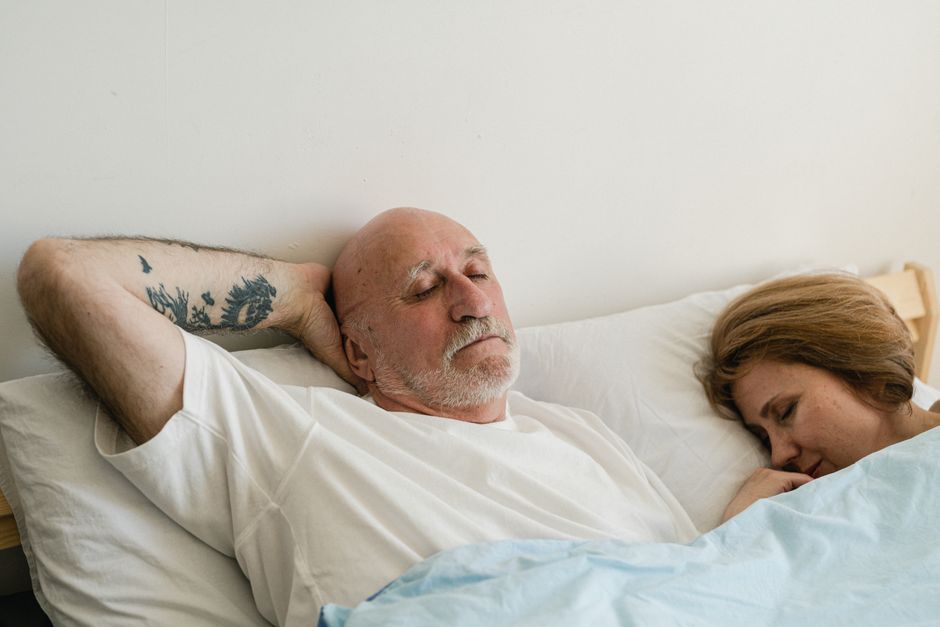
Clenching your jaw at night is a habit your brain runs without asking you. That is why simply deciding to stop rarely works. The reliable way to stop clenching at night is step by step: notice it, calm the muscle, protect the teeth, and change the triggers that keep the cycle going. Below is a practical sequence you can work through, along with what the evidence actually supports and what it does not.
What Is Jaw Clenching At Night, And Is It The Same As Bruxism?
Jaw clenching at night is a repeated tightening of the jaw muscles during sleep. It is a form of sleep bruxism, the term clinicians use for grinding or clenching the teeth during sleep.
There is an important distinction. Clenching means holding the jaw tight without much side-to-side movement. Grinding means moving the jaw back and forth, often producing that scraping sound. Both put load on the teeth and jaw muscles, but clenching is quieter and often goes unnoticed until symptoms show up.
Sleep bruxism is classified as a sleep-related movement disorder. It is different from awake bruxism, which is the clenching many people do during the day when concentrating or stressed. The two can overlap, but they are driven by different things. Awake clenching is largely a habit you can learn to notice and interrupt. Sleep clenching is mostly outside conscious control, which is why willpower alone tends to fail.
This is the part many people miss: sleep bruxism is not simply a stress response. Research points to it being partly regulated by the central nervous system during sleep, often appearing around brief arousals from sleep. That is why a purely “just relax” approach rarely solves it on its own.
How Do I Know If I Clench My Jaw At Night?
Most people find out from a partner or a dentist, not from noticing it themselves. The signs tend to show up in the morning or build up over time.
Common signs include:
- A dull headache or tightness in the temples or jaw when you wake up
- Sore or tired jaw muscles, especially in the morning
- Teeth that feel sensitive, flattened, or chipped
- Clicking, popping, or a locked feeling in the jaw joint
- Earache or ringing in the ears without an ear problem
- Disrupted sleep, even when you feel you slept long enough
None of these signs are unique to bruxism. Headaches and jaw soreness have many possible causes. A dentist can look for wear patterns on the teeth and, in some cases, confirm the diagnosis. If you have persistent jaw pain, locking, or you cannot fully open your mouth, that warrants a medical or dental evaluation rather than self-treatment.
How To Stop Clenching Jaw At Night: Step By Step
There is no single switch that turns off sleep clenching. What works is a layered approach, starting with protecting the teeth and reducing muscle load, then addressing the factors that keep the cycle going.
Step 1: Get A Proper Diagnosis And A Night Guard
See a dentist first. A custom-fitted night guard is the most common protective measure. It does not stop the clenching itself, but it cushions the teeth and reduces wear and damage.
Be clear about what a night guard does and does not do. It protects. The evidence that it reduces clenching activity itself is limited. Over-the-counter guards are widely sold, but a poorly fitting one can shift your bite or make things worse, so a professional fitting is generally preferred. This is common clinical practice rather than a proven cure.
Step 2: Reduce Muscle Tension Before Bed
Warm compresses on the jaw muscles, gentle massage, and deliberate relaxation of the jaw during the evening can lower muscle tension going into sleep. Some clinicians recommend these as supportive measures. The evidence that they reduce sleep bruxism directly is limited, but they are low-risk and many people find them helpful for comfort.
Try resting your tongue lightly behind your upper front teeth with your lips closed and teeth apart. That is the jaw’s natural resting position. Practicing it during the day can carry over into lighter sleep stages.
Step 3: Address Stress And Sleep Quality
Stress does not cause sleep bruxism by itself, but it can make it worse. Improving sleep quality and managing stress are reasonable supporting steps.
- Keep a consistent sleep and wake schedule
- Limit alcohol and caffeine in the evening, since both can fragment sleep
- Try relaxation or breathing exercises before bed
- Get regular physical activity earlier in the day
These steps target sleep quality and stress, not bruxism directly. That distinction matters. They help the overall picture, but they are not a guaranteed fix for the clenching itself.
Step 4: Review Medications And Substances With A Doctor
Some medications and substances are associated with bruxism or worsened sleep. Certain antidepressants, stimulants, and recreational drugs have been linked to bruxism in some people. Do not stop or change any prescription on your own. If you take a medication and clench at night, ask your prescriber whether it could be a factor.
Step 5: Consider Professional Therapies
For more persistent cases, some clinicians use other approaches. These include:
- Botulinum toxin injections into the jaw muscles, which can reduce muscle activity temporarily
- Physical therapy for the jaw
- Biofeedback, which teaches awareness of muscle tension
- Behavioral therapy or cognitive approaches for related stress and habits
Botulinum toxin is used in some clinical settings for severe bruxism and jaw muscle pain. The evidence for it is mixed and it is not a first-line treatment for everyone. Biofeedback has some supporting evidence but results vary. These are decisions to make with a qualified clinician, not on your own.



Which Treatments Actually Have Evidence Behind Them?
It helps to separate what is well supported from what is commonly done without strong proof.
| Approach | What It Does | Evidence Level |
|---|---|---|
| Custom night guard | Protects teeth from wear | Well established for protection |
| Stress and sleep improvement | May reduce contributing factors | Supportive, not a direct cure |
| Botulinum toxin | Reduces muscle activity temporarily | Mixed evidence |
| Biofeedback | Builds awareness of tension | Some evidence, results vary |
| Relaxation and massage | Reduces muscle tension | Limited direct evidence |
Notice that no single row says “stops clenching.” That is honest. The strongest, clearest benefit is protecting the teeth. Reducing the clenching itself is harder and less certain.
Can You Stop Clenching Without A Night Guard?
Some people reduce clenching without a guard, but there is no reliable way to guarantee it. Because sleep bruxism is largely outside conscious control, daytime effort alone often does not stop it at night.
If your teeth show wear, sensitivity, or damage, skipping protection risks permanent harm. A night guard does not cure the habit, but it prevents the damage that clenching causes while you work on the underlying factors. For many people, that combination is the practical path.
If your clenching is mild and your dentist finds no wear, you may be able to focus on sleep and stress factors first. That is a judgment call best made with a professional who can see your teeth.
When Should You See A Doctor Or Dentist?
See a dentist or doctor if you have any of the following:
- Jaw pain that persists or gets worse
- Your jaw locks, clicks painfully, or you cannot open it fully
- Teeth that are chipped, loose, or increasingly sensitive
- Headaches that are frequent or severe
- Sleep problems that affect your daytime functioning
These signs can point to conditions beyond simple clenching, including temporomandibular joint disorders. A proper evaluation sorts out what is actually going on. Self-treating a jaw problem that has another cause can delay the right care.
Frequently Asked Questions
How do I stop clenching my jaw at night?
Start with a dental evaluation and a custom night guard to protect your teeth, then reduce muscle tension and improve sleep and stress factors. No single step reliably stops the clenching itself, so a layered approach works best.
Does a night guard stop jaw clenching?
A night guard protects your teeth from wear and damage, but the evidence that it reduces clenching activity itself is limited. Think of it as protection, not a cure.
Is jaw clenching at night caused by stress?
Stress can make clenching worse, but sleep bruxism is not simply a stress response. It appears to be partly regulated by the nervous system during sleep, often around brief arousals.
Can botulinum toxin stop jaw clenching?
Botulinum toxin injections can temporarily reduce jaw muscle activity and are used in some clinical settings for severe cases. The evidence is mixed, and it is not a first-line treatment for everyone.
