
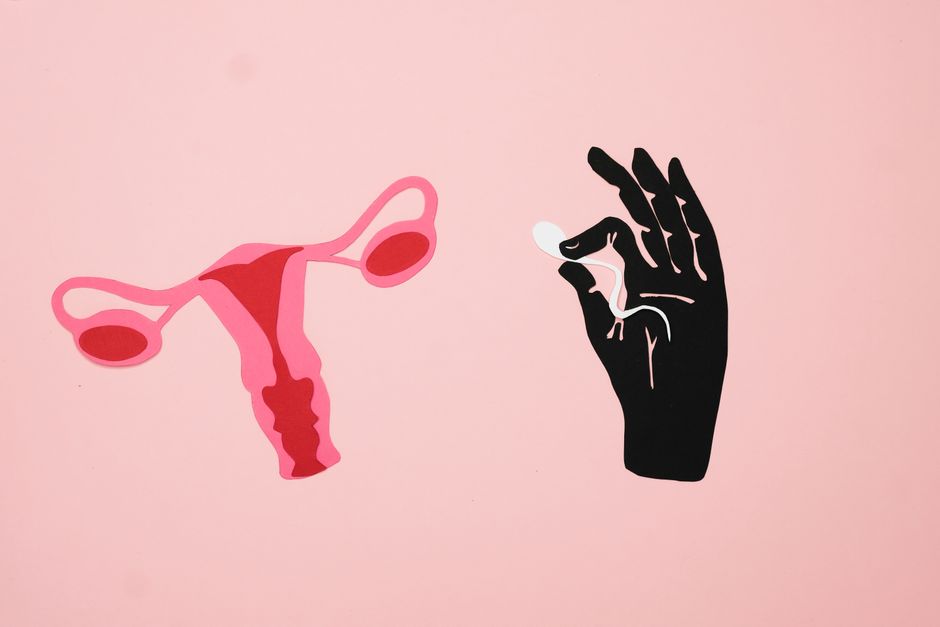
Basal body temperature (BBT) rises after ovulation, not before it. The shift typically happens within 24 to 48 hours after the egg is released, and it stays elevated until your next period. This temperature change does not predict when ovulation will happen. It only confirms that it already did.
What Exactly Is Basal Body Temperature?
Basal body temperature is your lowest resting body temperature. You measure it first thing in the morning, before you get out of bed, talk, or move around. Even small activity can raise your temperature and ruin the reading.
During the first half of your menstrual cycle, your BBT usually stays in a lower range. After ovulation, the hormone progesterone rises. Progesterone has a warming effect on the body. This hormone surge is what pushes your temperature up.
The rise is small. Most women see an increase of about 0.5 to 1.0 degree Fahrenheit. It is not a dramatic spike. You need a precise thermometer and consistent timing to catch it.
When Does Bbt Rise And What It Means For Fertility
The temperature rise signals that ovulation has occurred. The egg only survives for about 12 to 24 hours after release. Sperm can live inside the reproductive tract for up to five days.
This timing matters for conception. Because the BBT rise happens after ovulation, waiting for the shift to have sex means you may have missed your most fertile window. The best days for conception are the five days before ovulation and the day of ovulation itself.
Tracking BBT helps you understand your cycle pattern over several months. Once you see a consistent pattern, you can predict roughly when ovulation will occur in future cycles. This forward-looking information is what makes BBT charting useful for planning pregnancy.
How to Measure BBT Correctly
Accuracy depends on method. Take your temperature at the same time every morning. Place the thermometer in your mouth, vagina, or rectum. Oral readings are most common, but vaginal readings tend to be more stable.
Use a basal body thermometer. These show two decimal places, like 97.85°F. A regular fever thermometer only shows one decimal place and is not precise enough to detect the small shift.
Keep the thermometer on your nightstand. Move as little as possible before measuring. Sleep quality matters too. A broken night of sleep, travel, or drinking alcohol the night before can skew the reading.
Chart every single day. Do not skip days because you think the reading looks odd. One abnormal reading is less important than the overall pattern across a full cycle.




What Does a Typical BBT Chart Look Like?
A normal chart shows two distinct phases. The follicular phase, before ovulation, has lower temperatures. The luteal phase, after ovulation, has higher temperatures.
The shift is not always a single jump. Some women see a gradual climb over two or three days. Others see a sharp rise overnight. Both patterns are normal.
To confirm ovulation, you need at least three consecutive temperatures higher than the previous six readings. This is called the coverline. The temperature stays elevated for roughly 12 to 16 days until your period starts.
If your temperature stays high for more than 18 days, that is a strong sign of pregnancy. Take a home pregnancy test at that point.
Factors That Disrupt BBT Readings
Many everyday things can distort your temperature. Illness, especially with fever, pushes readings up. Stress and poor sleep can also affect results.
Shift work is a major challenge for BBT tracking. Your body temperature follows your circadian rhythm. If you sleep at different times each day, your baseline temperature shifts too. Some women find BBT charting unreliable under these conditions.
Alcohol close to bedtime can raise nighttime temperature and affect morning readings. Thyroid conditions can also change your baseline temperature. If you have an untreated thyroid disorder, BBT patterns may not reflect ovulation accurately.
Medications matter. Anti-inflammatory drugs like ibuprofen can lower temperature. Some fertility medications alter the pattern as well. Tell your doctor if you are charting while taking any regular medication.
Limitations of BBT Tracking
BBT confirms ovulation happened, but it does not tell you the exact moment it occurred. The rise can come 24 to 48 hours after the egg is released. By the time you see the shift, the fertile window may be closing.
Some women have anovulatory cycles. This means they do not release an egg at all. BBT charts in these cycles show no sustained temperature shift. If you see no clear pattern after several months, speak with a healthcare provider.
The method also cannot detect problems with egg quality or sperm health. It only tells you whether ovulation likely occurred. It does not assess whether the egg or sperm are functioning normally.
BBT vs. Other Ovulation Tracking Methods
BBT is just one tool. Ovulation predictor kits detect the surge of luteinizing hormone (LH) that happens 24 to 36 hours before ovulation. These give you advance notice that BBT cannot provide.
Cervical mucus changes are another sign. Fertile mucus is clear, slippery, and stretchy, like raw egg white. This mucus appears in the days leading up to ovulation and helps sperm travel.
Combining methods gives the clearest picture. Use an ovulation predictor kit to identify your fertile window in real time. Use BBT to confirm that ovulation actually occurred afterward. Tracking cervical mucus adds another layer of confirmation.
Wearable devices that track skin temperature are becoming popular. Some research suggests these may detect the same temperature shift. However, wrist skin temperature is less reliable than oral or vaginal basal temperature. The evidence for their accuracy is still developing.
When to See a Doctor About Irregular BBT Patterns
Charting for several months without seeing a clear temperature shift warrants a medical conversation. This may indicate you are not ovulating regularly. Conditions like polycystic ovary syndrome (PCOS) commonly cause irregular or absent ovulation.
Short luteal phases are another concern. The luteal phase is the time between ovulation and your next period. A normal luteal phase lasts 12 to 16 days. If your temperature stays elevated for fewer than 10 days, it may indicate a luteal phase defect. This can make it harder for a fertilized egg to implant.
If you are under 35 and have been trying to conceive for 12 months without success, seek evaluation. If you are over 35, the recommended waiting period is six months. Bring your BBT charts to the appointment. They provide useful information about your cycle regularity.
Can BBT Help You Avoid Pregnancy?
Some people use BBT as a natural family planning method. The approach requires strict discipline. You must abstain from sex or use barrier protection from the start of your period until you confirm ovulation has passed.
This method has a higher failure rate than hormonal contraception or intrauterine devices. The temperature rise only confirms ovulation after it happens. Sperm can survive up to five days, so having unprotected sex before the confirmed rise carries real pregnancy risk.
Fertility awareness methods work best when combined with cervical mucus tracking and calendar calculations. Even then, they require daily commitment and several months of learning your personal patterns. For those who cannot risk pregnancy, this method is not the most reliable choice.
Frequently Asked Questions
How many days after ovulation does BBT rise?
BBT typically rises within 24 to 48 hours after ovulation. The exact timing varies between women and even between cycles for the same woman.
Can BBT confirm pregnancy before a test?
A temperature that stays elevated for more than 18 days is a strong indicator of pregnancy. A home pregnancy test will confirm it at that point.
Why did my BBT not rise this month?
A missing temperature shift usually means ovulation did not occur that cycle. Illness, poor sleep, stress, or an anovulatory cycle can all cause this.
What temperature indicates ovulation has occurred?
There is no universal number. The key is a sustained rise of about 0.5 to 1.0 degrees Fahrenheit above your own previous six-day baseline.
