
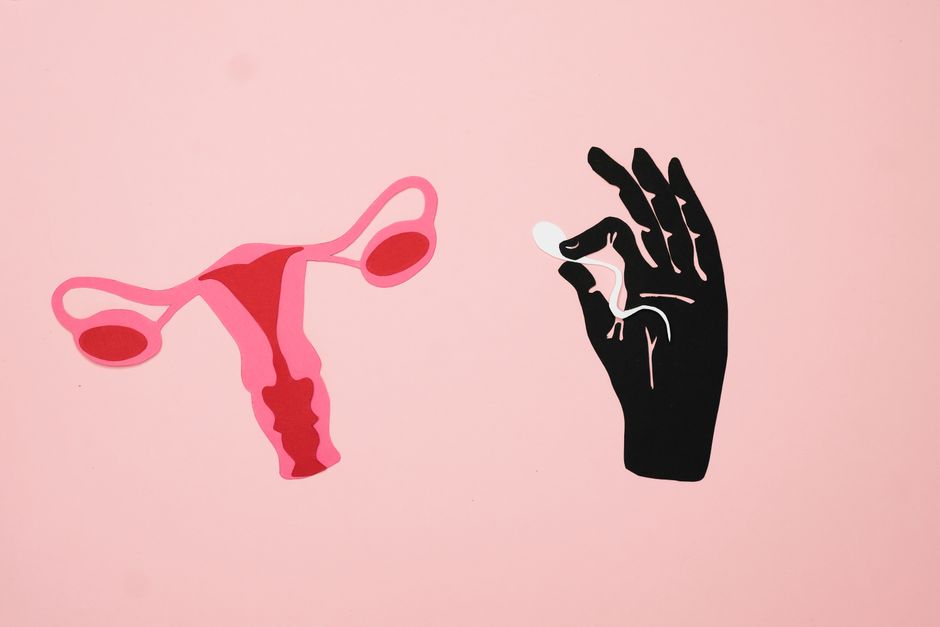
Egg white discharge is cervical mucus that turns clear, stretchy, and slippery — similar in texture to raw egg whites — right before ovulation. It is a normal fertility sign that shows your body is approaching its most fertile window. This discharge helps sperm travel through the cervix to reach an egg, and noticing it can help you time intercourse if you are trying to conceive.
What Does Egg White Discharge Look and Feel Like?
Egg white cervical mucus is easy to recognize once you know what to look for. It is clear or slightly cloudy, wet, and stretchy. If you press it between your thumb and index finger, it stretches into a thin strand without breaking easily. This is a sign that estrogen levels have risen, which triggers the cervix to produce this fertile-quality mucus.
Not everyone produces the same amount. Some women notice a lot of it, while others see only a small amount. What matters most is the texture and stretch, not the volume. The stretchy, slippery quality is what distinguishes it from other types of discharge you may see during your cycle.
When Does Egg White Discharge Appear in Your Cycle?
Egg white discharge typically appears a few days before ovulation. For a woman with a regular 28-day cycle, that usually lands around days 10 to 14, counting from the first day of your period. However, cycle lengths vary, so the timing depends on when you actually ovulate, not on a calendar date.
The mucus changes as your cycle progresses. Right after your period, discharge is often dry or absent. As estrogen rises, it becomes sticky or creamy. Then, as ovulation approaches, it turns into the wet, stretchy egg white consistency. After ovulation, progesterone takes over and the mucus thickens or dries up again.
Tracking this pattern over several cycles can help you identify when you are most fertile. Many women use this method alongside basal body temperature tracking to confirm ovulation has occurred.
How Long Does Egg White Discharge Last?
Egg white discharge usually lasts about 3 to 4 days before ovulation. For some women it lasts only a day or two, and for others it can last up to five days. The length of time is less important than what the mucus signals — that ovulation is approaching.
Once ovulation happens, the discharge typically becomes thicker, cloudier, and less stretchy within a day or two. This change happens because progesterone rises after the egg is released, which alters cervical mucus production. If you are tracking fertility, the last day of egg white mucus is often considered your peak fertility day.
Some research suggests that sperm can survive in fertile cervical mucus for up to five days. This is why having intercourse on the days you notice egg white discharge — and the day before — can improve your chances of conception.





What Is the Difference Between Egg White Discharge and Other Discharge?
Discharge changes throughout your cycle, and each type has a different meaning. Here is how egg white mucus compares to other common types:
- Sticky or creamy discharge: Thick, white, or pale yellow. Appears after your period and again after ovulation. Not fertile-quality mucus.
- Watery discharge: Clear and wet but not stretchy. Often appears right before egg white mucus and can also indicate rising fertility.
- Egg white discharge: Clear, stretchy, slippery. The most fertile type of cervical mucus.
- Thick, dry, or absent discharge: Common after ovulation and before your next period. Indicates low fertility.
If your discharge is itchy, has a strong odor, or is accompanied by burning or irritation, that is not a normal fertility sign. These symptoms may point to an infection such as a yeast infection or bacterial vaginosis, and you should see a healthcare provider for evaluation.
Can You Get Pregnant From Egg White Discharge Alone?
No. Egg white discharge is a sign that you are approaching ovulation, but it does not confirm that ovulation has happened. Some women produce egg white mucus and then do not ovulate that cycle. Others ovulate without ever noticing egg white discharge.
Using egg white discharge as a fertility sign works best when combined with other methods. Basal body temperature tracking can confirm ovulation after it happens, and ovulation predictor kits detect the luteinizing hormone surge that occurs 24 to 36 hours before ovulation. Each method has limitations, but together they give a clearer picture of your fertile window.
If you have irregular cycles, hormonal conditions like polycystic ovary syndrome (PCOS), or you are over 35 and have been trying to conceive for six months or more, talk to a doctor. Fertility signs alone may not be enough to time conception reliably in these situations.
Does Egg White Discharge Mean You Are Ovulating Right Now?
Not exactly. Egg white discharge means your body is preparing to ovulate, and ovulation usually follows within a day or two. The mucus appears because estrogen levels are peaking, which signals the brain to release hormones that trigger the egg’s release.
The most fertile days are the last day of egg white mucus and the day after it becomes less stretchy. This is when the egg is most likely to be released. Having intercourse during the egg white mucus phase — and ideally starting a few days before — gives sperm time to reach the fallopian tube and wait for the egg.
For most women, the egg white mucus phase is the best time to have intercourse if you want to conceive. But remember, it is a sign of approaching ovulation, not a guarantee that ovulation will occur.
What If You Never Notice Egg White Discharge?
Some women never see egg white discharge, and that does not automatically mean they are not ovulating. Factors like dehydration, certain medications, stress, or simply checking at the wrong time of day can affect what you observe. Checking multiple times a day and looking at toilet paper after wiping can help you catch it.
However, if you consistently have no fertile-quality mucus cycle after cycle, it could be a sign of low estrogen or anovulation — cycles where no egg is released. Conditions like PCOS, thyroid disorders, or perimenopause can reduce or eliminate egg white mucus. If you are trying to conceive and never see fertile mucus, discuss this with a healthcare provider.
Frequently Asked Questions
Can you get pregnant from egg white discharge?
Egg white discharge itself does not cause pregnancy, but it signals that you are in your fertile window. Having intercourse during this time gives sperm the best chance to meet the egg.
How many days before ovulation does egg white discharge appear?
Egg white discharge typically appears 1 to 4 days before ovulation. The last day of this mucus is often the day you are most fertile.
Does egg white discharge mean ovulation already happened?
No, it means ovulation is approaching, not that it has already occurred. Ovulation usually happens within 1 to 2 days after egg white mucus peaks.
Why do I have egg white discharge but no period?
Egg white discharge can occur in cycles where ovulation happens but your period is delayed due to stress, illness, or hormonal changes. If your period is consistently absent, see a doctor to rule out pregnancy or hormonal conditions.
