
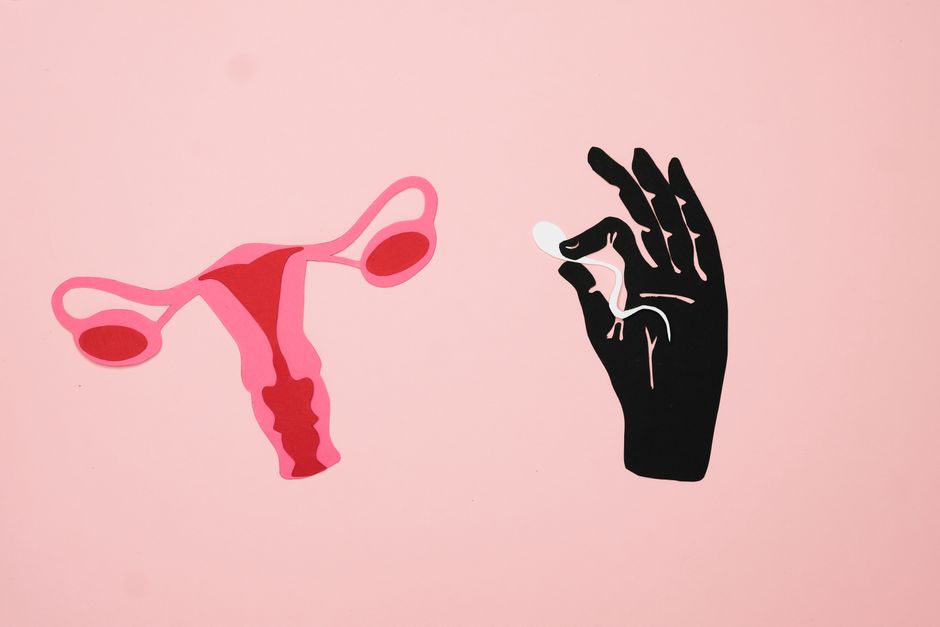
Fertilization happens when a sperm meets and enters an egg, usually within 12 to 24 hours after ovulation. This meeting typically occurs in the fallopian tube, not in the uterus. Once the sperm enters the egg, the egg’s outer layer changes to block any other sperm from getting in, and the genetic material from both parents combines. The fertilized egg is now called a zygote, and it begins dividing as it travels toward the uterus over the next several days.
When Does An Egg Get Fertilized And What Happens Next?
Timing is everything in early conception. An egg is only viable for about 12 to 24 hours after it is released from the ovary. Sperm, on the other hand, can survive inside the female reproductive tract for up to five days. This means the fertile window includes the five days before ovulation and the day of ovulation itself.
Fertilization itself is a process, not a single instant. The sperm must first penetrate the layers surrounding the egg. Once the first sperm successfully enters, the egg immediately releases enzymes that harden its outer membrane. This prevents additional sperm from entering. A few hours later, the chromosomes from the sperm and egg combine. At this point, the cell is officially a zygote with a complete set of 46 chromosomes — 23 from each parent.
Where Does Fertilization Actually Take Place?
Fertilization occurs in the ampulla, which is the widest section of the fallopian tube. This is not a random location. The ampulla provides the ideal environment for the sperm and egg to meet and for early cell division to begin.
Many people assume fertilization happens in the uterus because that is where the baby grows. That assumption is incorrect. The fertilized egg spends roughly three to four days traveling down the fallopian tube toward the uterus. During this journey, it continues dividing — from 2 cells to 4 cells to 8 cells and beyond. By the time it reaches the uterus, it is a structure called a blastocyst, which contains about 100 cells.
What Happens Immediately After Fertilization?
The first 24 to 48 hours after fertilization are marked by rapid cell division. The zygote divides but does not grow in size. Each division produces smaller cells, called blastomeres. This process is called cleavage.
Around day four or five after fertilization, the blastocyst reaches the uterus. It is now a hollow ball of cells with an inner cell mass that will become the embryo and an outer layer that will become the placenta. The blastocyst then begins the process of implantation, which is when it attaches to the lining of the uterus. Implantation typically occurs six to ten days after ovulation.
Implantation is a critical step. If the blastocyst does not implant successfully, pregnancy does not proceed. Some research suggests that many fertilized eggs never implant, and the person may never know they conceived. This is a normal part of human reproduction, not a sign of a problem.




How Long Does It Take For Sperm To Reach The Egg?
Sperm travel time varies. Some sperm can reach the fallopian tube within minutes of ejaculation. However, most sperm take anywhere from 30 minutes to several hours to complete the journey.
The trip is not simply a race. Sperm must navigate through the cervix, into the uterus, and up into the fallopian tubes. Many sperm die along the way. Only a few hundred out of the millions ejaculated ever get close to the egg. The sperm that do arrive must also undergo a process called capacitation, which prepares them to fertilize the egg. This process takes several hours.
This is why timing intercourse two to three days before ovulation can still result in pregnancy. The sperm arrive early, wait for the egg to be released, and are ready when it appears.
What Are The Signs That Fertilization Has Occurred?
Most people feel nothing at the moment of fertilization. The process is silent and invisible. Any symptoms that occur later are related to implantation or hormonal changes, not the fertilization event itself.
Implantation bleeding is sometimes reported. This is light spotting that occurs when the blastocyst burrows into the uterine lining. It typically happens about six to twelve days after ovulation. However, not everyone experiences it, and it can easily be confused with the start of a period.
Other early signs of pregnancy — such as breast tenderness, fatigue, or nausea — are caused by the hormone hCG, which is produced after implantation. These symptoms usually do not appear until around the time of a missed period. Taking a home pregnancy test before this time often produces a false negative because hCG levels are still too low to detect.
What Factors Affect The Chance Of Fertilization?
Age is one of the most significant factors. A person’s egg supply decreases with age, and the quality of remaining eggs also declines. This affects both the likelihood of fertilization and the likelihood that a fertilized egg will develop normally.
Sperm health matters equally. Sperm count, motility, and shape all play a role. A semen analysis can assess these factors. Lifestyle choices like smoking, heavy alcohol use, and certain medications can affect sperm quality.
Fallopian tube health is another key factor. If the tubes are blocked or damaged — due to infection, endometriosis, or prior surgery — the sperm and egg may never meet. This is a common cause of infertility.
Timing also matters. Couples who have intercourse during the fertile window have the highest chance of conception. For most couples without fertility issues, the chance of conceiving in any single cycle is around 15 to 25 percent. This is lower than many people expect, and it is completely normal for conception to take several months.
What Happens If Fertilization Does Not Occur?
If no sperm fertilizes the egg, the egg simply breaks down and is absorbed by the body. Hormone levels drop, the uterine lining sheds, and menstruation begins. This cycle repeats every month.
The egg does not wait. Once it passes the 24-hour viability window, fertilization is no longer possible. The body then prepares for the next cycle, and the process starts over with the development of a new egg.
When Should You Take A Pregnancy Test?
A home pregnancy test detects hCG in urine. This hormone is only produced after implantation, not after fertilization. Testing too early is the most common reason for a false negative.
Most home tests can detect hCG about 12 to 14 days after ovulation. Testing on the first day of a missed period is the standard recommendation. For the most accurate result, testing in the morning when urine is most concentrated is advised.
Blood tests done at a doctor’s office can detect hCG earlier, usually about 8 to 10 days after ovulation. However, these tests are not necessary for most people and are typically only ordered when there is a medical reason.
Frequently Asked Questions
How long after sex does fertilization occur?
Fertilization can happen anywhere from a few minutes to several days after sex, depending on when ovulation occurs. Sperm can survive up to five days, so intercourse before ovulation can still lead to fertilization once the egg is released.
Can you feel when the egg is fertilized?
No, fertilization itself does not cause any physical sensation. Any symptoms like cramping or spotting are related to implantation, which happens days later.
How many days after ovulation does implantation occur?
Implantation typically occurs 6 to 10 days after ovulation. This is when the blastocyst attaches to the uterine lining and begins producing the hormone detected by pregnancy tests.
Does fertilization happen in the uterus or fallopian tube?
Fertilization happens in the fallopian tube, not the uterus. The fertilized egg then travels to the uterus over several days before implanting.
