
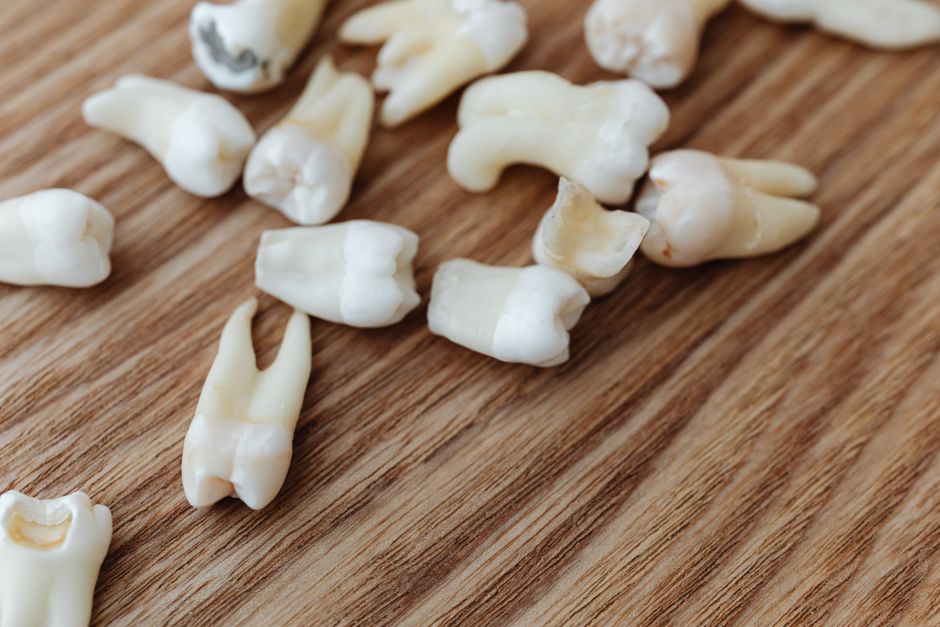
Most babies get their first molars between 13 and 19 months of age. The second molars, often called the two-year molars, usually come through between 25 and 33 months. These ranges come from teething charts used in pediatric dentistry, and they describe the typical pattern rather than a schedule every child follows.
Teething is one of the few parts of infant development with a fairly predictable order, even though the timing varies a lot from child to child. Molars are the widest teeth a baby will cut, and they tend to cause more discomfort than the front teeth that came before them. Knowing what to expect can make the process less worrying for parents.
When Do Babies Get Their Molars?
The first molars typically arrive between 13 and 19 months. They emerge behind the incisors and canines, in the back of the mouth, and they are the first teeth a baby uses for grinding rather than biting.
The second molars usually appear between 25 and 33 months. By this point most children have a full set of 20 primary teeth, which is the complete set of baby teeth.
These windows are wide on purpose. A molar showing up at 12 months or at 21 months can both be normal. What matters more than the exact month is the sequence: molars generally come after the front teeth, and the second molars come after the first.
One detail worth knowing is that the primary molars are not replaced by the permanent molars in the way a baby incisor is replaced by an adult incisor. The primary molars eventually fall out and are replaced by premolars. The permanent molars that erupt later, around age 6 and again around age 12, come in behind the baby teeth rather than replacing them. Parents sometimes assume the first molars are permanent teeth. They are not.
What Is the Typical Order of Tooth Eruption?
Baby teeth usually arrive in a predictable sequence, though the timing shifts from child to child. The general order looks like this:
- Central incisors (bottom, then top): around 6 to 10 months
- Lateral incisors (top, then bottom): around 8 to 12 months
- First molars: around 13 to 19 months
- Canines: around 16 to 22 months
- Second molars: around 25 to 33 months
The first molars often come in before the canines, which surprises some parents. The canines sit between the incisors and the molars, so it can look like there is a gap in the smile while the molars are already in place. That gap fills in when the canines arrive.
By about age 3, most children have all 20 primary teeth. Girls often teethe slightly earlier than boys, and there is a normal range of variation across the whole pattern.
Why Do Molars Seem to Hurt More Than Other Teeth?
Molars are larger and have a broader surface than incisors. They push through a wider area of gum tissue, which is one reason they tend to cause more noticeable discomfort.
When a tooth moves toward the surface, the gum tissue above it thins and eventually breaks. This triggers local inflammation, which is the source of most teething symptoms. A bigger tooth means more tissue involved.
Common signs around the time a molar comes in include:
- Increased drooling
- Chewing or gnawing on fingers, toys, or the crib rail
- Fussiness, especially at night
- Swollen or tender gums
- Mild irritability and disrupted sleep
- A low-grade temperature, generally under 100.4°F (38°C)
A genuine fever above 100.4°F is not a typical teething symptom. If a baby has a higher fever, diarrhea, vomiting, or a rash, that points to something else and should be checked by a clinician.
Teething has been blamed for a long list of symptoms over the years. Research on this topic has generally found that the symptoms reliably linked to teething are limited to things like gum irritation, drooling, and mild fussiness. More serious symptoms are usually caused by something other than the teeth. That distinction matters, because a real illness can be missed if it is written off as teething.




How Can You Help a Baby With Molar Pain?
Simple measures handle most molar discomfort. A chilled teething ring, a cold washcloth, or a firm rubber teething toy gives a baby something safe to gnaw on. Cold numbs the gum a little and the pressure can feel good.
Firm pressure with a clean finger along the gum can also help. Some babies settle with extra cuddling and a consistent bedtime routine when sleep gets disrupted.
A few cautions are worth stating plainly:
- Avoid teething necklaces and bracelets. They pose a strangulation risk, and there is no evidence they relieve pain.
- Avoid teething gels that contain benzocaine for infants. Regulatory agencies have warned against their use in young children because of a rare but serious blood condition.
- Avoid amber teething necklaces. The claimed pain relief is not supported by evidence, and the beads are a choking hazard if the string breaks.
- Do not freeze teething rings solid. A rock-hard ring can bruise the gums.
If a baby seems to be in real pain, a clinician can advise on whether an age-appropriate pain reliever is suitable. Acetaminophen and ibuprofen are commonly used for infant discomfort, but the correct dose depends on the child’s weight and age, and ibuprofen is not appropriate for very young infants. Parents should confirm the dose with a pediatrician or pharmacist rather than estimating.
When Should You Talk to a Doctor About Teething?
Most molar teething needs no medical visit. The exception is when symptoms go beyond what teething typically causes.
Contact a clinician if a baby has:
- A fever of 100.4°F (38°C) or higher
- Diarrhea or repeated vomiting
- A rash, especially one that spreads
- Refusal to eat or drink for more than a short stretch
- Signs of dehydration, such as fewer wet diapers or a dry mouth
- Severe or inconsolable crying
It is also reasonable to check in if no teeth have appeared by around 18 months. Delayed eruption is often just a variation of normal, but a clinician can look for other causes if it seems unusual. The same goes if a molar comes in and looks discolored, chipped, or out of place.
Does Teething Cause a Fever or Diarrhea?
Teething can cause a slight rise in temperature, but a true fever is not a typical teething sign. The evidence linking teething to high fever, diarrhea, or vomiting is weak, and those symptoms usually have another cause.
The confusion comes from timing. Babies cut molars around the same age they start crawling, exploring, and picking up common infections. A mild illness and a new molar often overlap, which makes it easy to attribute everything to the teeth.
If a baby has clear signs of illness, treat it as illness. Do not assume the teeth explain it.
How Long Does Molar Teething Last?
Each tooth takes a few days to break through the gum, and the discomfort usually eases once it does. But molars come in pairs and in two waves, so a child can have teething symptoms on and off across several months.
The first molars tend to be the harder stretch for many families. The second molars often arrive with less drama, though that varies. There is no fixed timeline for how long any single child will be uncomfortable.
Teething is not a continuous state. Symptoms come in clusters around the days a tooth is actually erupting, then settle. If a baby seems uncomfortable for weeks without a break, that pattern is worth mentioning to a clinician.
What Do Molars Look Like When They Come In?
A new molar looks like a small white bump at first, then a flat-topped tooth with a wider surface than the front teeth. It sits at the back of the mouth, so it can be hard to see without good light.
The gum above an erupting molar may look swollen, red, or slightly bluish. A bluish or dark swelling is sometimes called an eruption cyst, and it usually resolves on its own. If it looks large, bleeds, or seems to bother the baby, a dentist or doctor can take a look.
Once a molar is through, it may look slightly uneven or have a yellowish tinge near the gum line. That is normal and usually evens out.
How Should You Care for New Molars?
New molars need cleaning as soon as they appear. A soft-bristled infant toothbrush with a small smear of fluoride toothpaste is the standard approach once the first tooth comes in. Parents should brush for the child and continue doing so until the child can manage it well, which is usually not until school age.
Molars have grooves and pits where food and bacteria collect, so they are more prone to cavities than smooth front teeth. Cleaning the back teeth thoroughly matters. A first dental visit is generally recommended by around the first birthday, which is a good time to ask about fluoride and cavity prevention.
Avoid putting a baby to bed with a bottle of milk or juice. Prolonged exposure to sugar overnight is a known cause of early tooth decay, and molars are often the teeth affected first.
Frequently Asked Questions
At what age do babies get their first molars?
Most babies get their first molars between 13 and 19 months. The second molars usually come in between 25 and 33 months.
Do molars hurt more than front teeth?
They often do, because molars are larger and push through a wider area of gum tissue. This can cause more swelling and discomfort than the front teeth.
Can teething cause a fever in babies?
A slight rise in temperature can happen, but a true fever of 100.4°F (38°C) or higher is not a typical teething symptom. A real fever should be checked by a clinician.
How long does molar teething usually last?
Each tooth takes a few days to break through, and discomfort usually eases once it does. Because molars come in two waves, symptoms can come and go across several months.
